

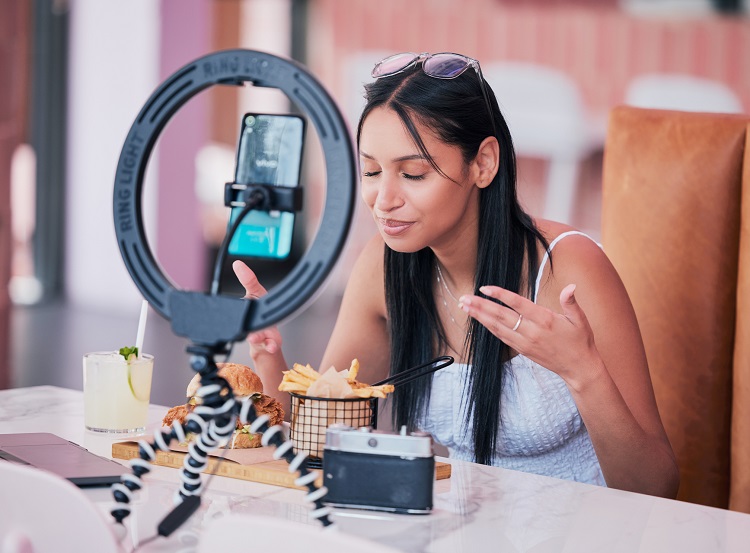
In the rapidly evolving landscape of the food and beverage industry, influencer marketing has emerged as a powerful tool for promotion. However, this marketing tactic has raised concerns about the promotion of unhealthy food to children. The Consumer Organization (BEUC) is advocating for regulatory reform, similar to what has been implemented in France, but with the addition of a ban on influencer promotion of high-fat, high-sugar, and high-salt (HFSS) products to kids.
One issue that BEUC highlights is the blurring of the line between editorial and advertised content in influencer marketing. Unlike traditional campaigns, where advertisements were clearly distinguishable, influencer marketing can be more ambiguous. Consumers are finding it increasingly difficult to differentiate between editorial and paid content. Despite this lack of transparency, influencer marketing has proven to be highly effective, with over half of respondents in a survey conducted by Open Evidence indicating that they have made purchases based on influencer recommendations.
Currently, there is no specific legislation on influencer marketing at the EU level. The lack of transparency within the sector has been a concern for various regulatory bodies, including the Irish Competition and Consumer Protection Commission (CCPC), the UK’s Advertising Standards Authority (ASA), and France’s Direction Générale de la Concurrence, de la Consommation et de la Répression des frauds (DGCCRF). BEUC suggests that a clear definition of influencer marketing should be added to the Unfair Commercial Practices Directive (UCPD) to address these concerns.
BEUC proposes a definition that encompasses the commercial intent of influencer marketing, regardless of the size of the audience or the amount of control brands have over the content. Additionally, they recommend the use of a unique term such as “advertisement” to enhance transparency within influencer posts. To ensure accountability, BEUC suggests introducing joint and several liability for all players in the influencer marketing value chain, including influencers, agencies, and brands. Dissuasive sanctions in the form of a percentage of annual turnover could be imposed in case of non-compliance.
Furthermore, BEUC emphasizes the need to ban influencer marketing campaigns for HFSS foods targeted at children. While France has taken steps to ban the influencing of certain products, such as aesthetic surgery and nicotine products, the promotion of unhealthy food and drink to children has been overlooked. BEUC urges the European Commission to follow France’s lead and establish an EU-wide ban on the promotion of these products by influencers. They also recommend including alcohol products, gambling, and medical products in the ban.
In conclusion, the food and beverage industry has witnessed significant changes in marketing practices with the rise of influencer marketing. However, concerns about the promotion of unhealthy food to children have led to calls for regulatory reform. BEUC proposes a comprehensive approach that includes clear definitions, enhanced transparency, accountability for all players in the value chain, and a ban on influencer marketing campaigns for HFSS foods targeted at children. By implementing these measures, the industry can address the challenges posed by influencer marketing while ensuring that consumer interests are protected.

