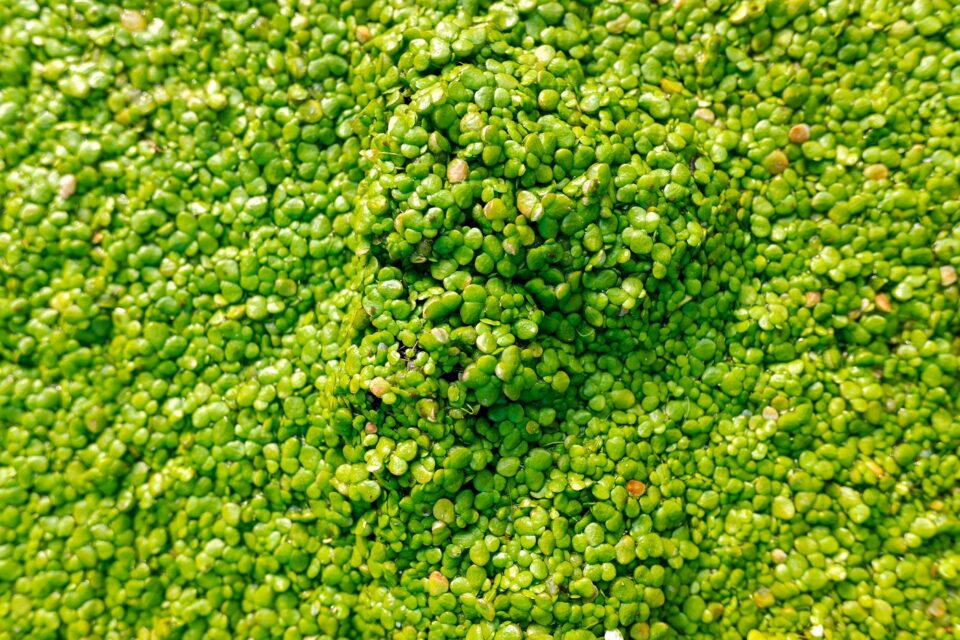
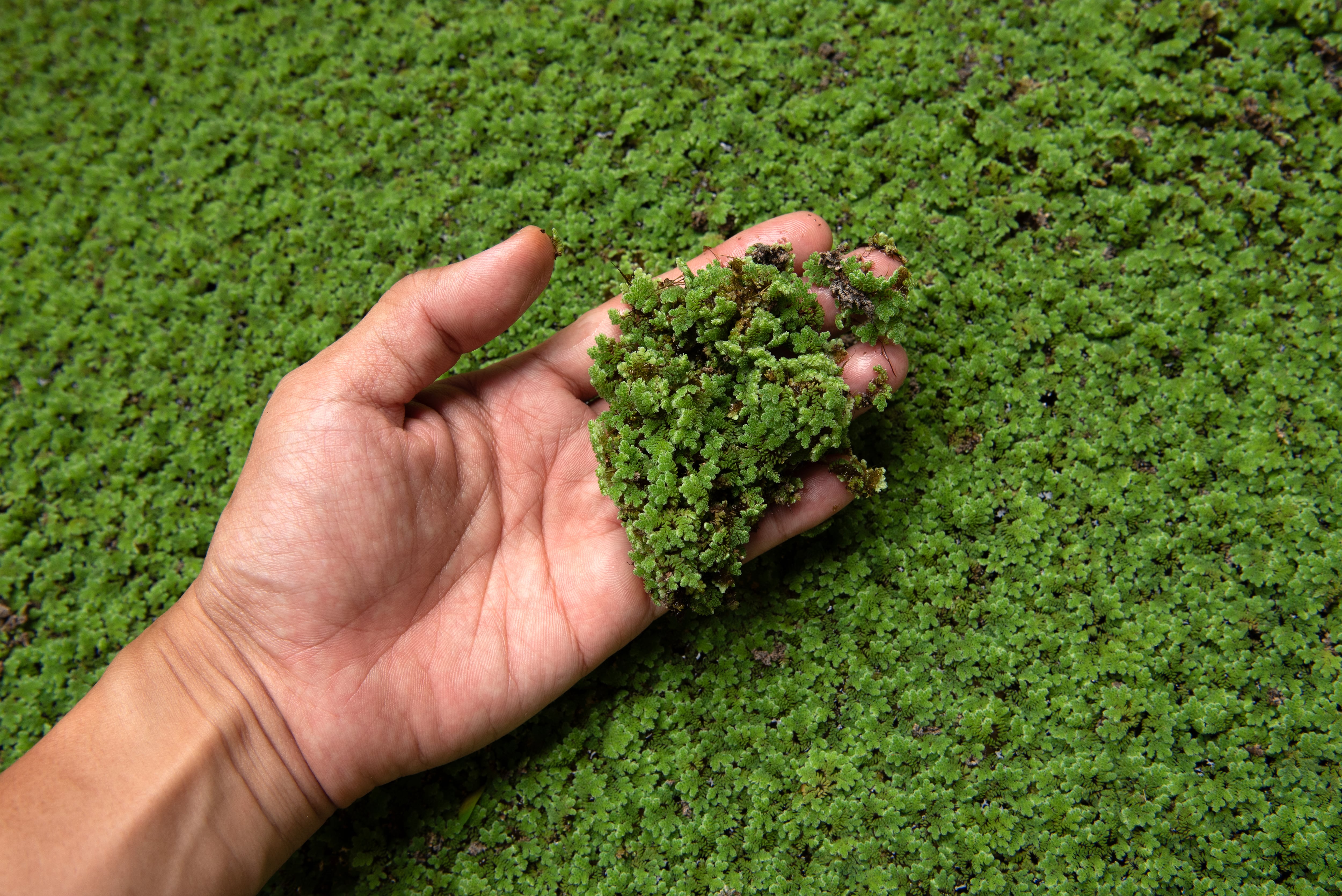
Duckweed is gaining recognition in the food and beverage industry for its vast potential as an alternative protein source, as highlighted by numerous studies.
With a protein content of approximately 43%, as noted by the University of Leeds, this aquatic plant can double its mass in just a few days, facilitating large-scale production.
Its aquatic nature allows it to thrive without extensive land usage, further underscoring its sustainability—a key consideration in today’s food manufacturing trends.
Recently, the European Food Standards Authority (EFSA) has approved the use of duckweed as a food in Europe.
Previously regarded as a ‘novel food’ due to its limited consumption in Europe—though widely consumed in regions like Thailand—duckweed now undergoes the same safety assessments as cultivated meat before entering the market.
This approval follows a novel food application submitted by Wageningen Plant Research from the Netherlands.
Wageningen University & Research has been pivotal in the approval process for duckweed, often referred to as ‘water lentils.’ Researcher Ingrid van der Meer is intrigued by the plant’s remarkable ability to produce over six times the yield per hectare compared to soy.
“They have a number of biological processes that differ from those of other plants. From a scientific point of view, water lentils are very intriguing,” she stated.
Van der Meer emphasized that duckweed requires minimal nutrients for growth and can be cultivated on water surfaces; thus, it can be easily integrated into simple greenhouses, vertical farms, or even urban indoor settings.
The plant’s rapid growth is notable, explained Van der Meer: “Water lentils grow much like yeast. The plant splits into two every three days. These then split again into four plants, and so the growth continues exponentially. To guarantee bountiful yields, you’d need to harvest once or twice per week.”
Beyond its functional benefits, taste tests conducted by Wageningen confirmed that duckweed can be quite palatable.
The plant’s culinary versatility allows it to be utilized in soups, stews, ravioli, pesto, and even as a substitute for spinach, making it a valuable asset in food processing technology.
In addition to its nutritional benefits, extensive consumer research indicated a positive reception, with some participants favoring duckweed soup over its spinach counterpart.
In 2021, EFSA approved Wolffia, the ‘water lentil’ popular in Thailand, marking significant progress, with yet another variety achieving safety approval four years later.
Initially, EFSA identified concerns regarding elevated manganese levels in duckweed—a mineral essential for health, yet potentially harmful in excess, particularly in children, as noted by the US’s Centers for Disease Control and Prevention.
However, through diligent research, the team demonstrated that manganese levels could be lowered to levels comparable to those found in spinach.