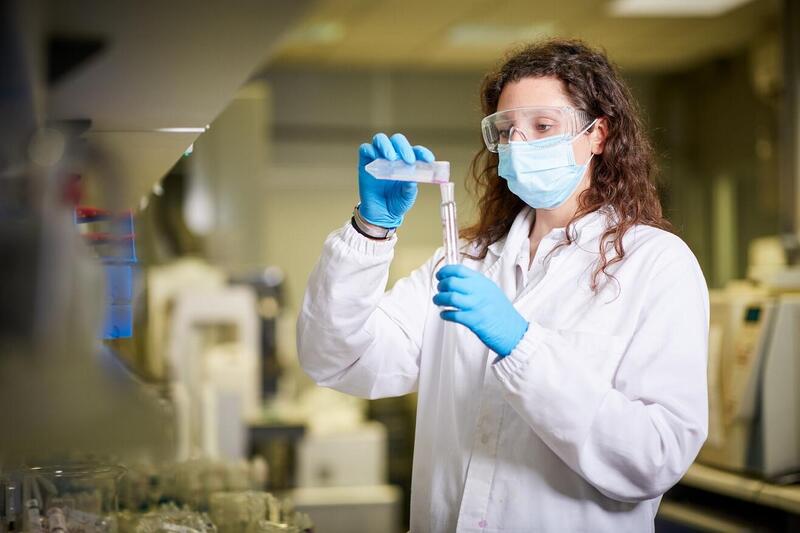
The demand for these testing services has surged by over 30 percent year-on-year. Given that PFAS, a category comprising more than 10,000 known substances, are prevalent in various industries—including food packaging—the need for comprehensive testing has become increasingly urgent.
As numerous countries implement chemical bans on PFAS, manufacturers and retailers face significant challenges. Consequently, businesses involved in the production, trade, or import of products must actively monitor and reduce PFAS levels. TÜV Rheinland supports these companies in adapting to legislative changes by delivering precise chemical analyses.
“This enables companies to adapt to changes in the legal situation at an early stage, establish responsible action as a quality feature, and thus remain competitive,” notes Steffen Tümptner, an expert at TÜV Rheinland.
In the EU, several PFAS classes already face restrictions under the REACH and POP regulations. Notably, the recently adopted EU Regulation 2024/2462 will gradually impose bans on PFHxA (C6 PFAS) across various applications over five years, prohibiting PFAS use in clothing, footwear, food contact paper, and cosmetics by October 2026.
By October 2027, the ban will extend to other textiles and leather products. Additionally, European authorities are considering further restrictions that could encompass more PFAS in the long term. In the United States, the national approach to restricting PFAS is also progressing. In April 2024, the US Environmental Protection Agency (EPA) established nationwide limits for six groups of substances in tap water, setting some of the strictest regulations globally.
TÜV Rheinland offers testing packages, training, and on-site audits, providing essential tools to analyze products, identify suitable alternatives, and promote more sustainable production practices. For more information on PFAS relevant to interested parties and companies, visit: www.tuv.com/pfas