A significant achievement in the realm of sustainable food packaging has been marked by Graphic Packaging International’s recognition at the esteemed WorldStar Global Packaging Awards 2026.
A key factor in the triumph of their award-winning product, PaperSeal Shape, has been a vital technological input from ITP (Industria Termoplastica Pavese), highlighting the effectiveness of collaborative eco-design throughout the manufacturing supply chain.
The WorldStar Awards, coordinated by the World Packaging Organisation (WPO), stand as a leading standard for innovation and design quality within the packaging sector. This year’s competitive program showcased technical prowess on a global stage, honouring 234 projects from 36 nations.
PaperSeal Shape is an innovative paperboard tray designed explicitly for fresh and chilled food items. By incorporating a specialized functional liner within a sturdy paperboard base, this product reduces plastic use by 72% to 82% compared to traditional all-plastic options. It effectively provides a substantial barrier against moisture, oxygen, and grease, ensuring a comparable shelf life to conventional packaging while remaining compatible with current high-speed processing equipment.
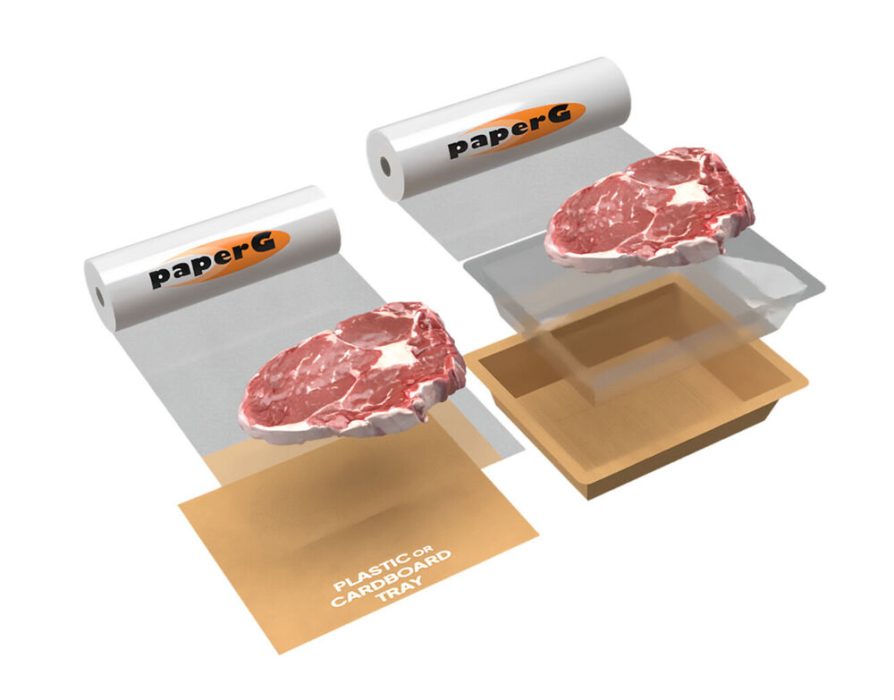
ITP’s invaluable technological input into this collaborative packaging solution is PaperG, an advanced self-adhesive coextruded liner film. This film has been tailored for direct thermal lamination onto paper and paperboard materials, allowing for seamless bonding without the need for external chemical adhesives or solvents.
Constructed from a specialized PE/EVOH composite, the film offers customizable gas barrier properties alongside impressive mechanical durability and high thermal resilience. Its versatility makes it suitable for modified atmosphere packaging (MAP), vacuum skin options, and microwave-ready designs.
In addition to its food preservation benefits, PaperG was designed with a strong focus on a circular economy philosophy that emphasizes design-for-separation. This coextruded film is engineered to stay affixed during shipping, handling, and consumer use. However, it can easily separate from the paperboard substrate under certain post-consumer sorting conditions, facilitating straightforward waste management for consumers. This ensures that the heavier paper component remains pristine and can be efficiently recycled within regular paper waste channels.