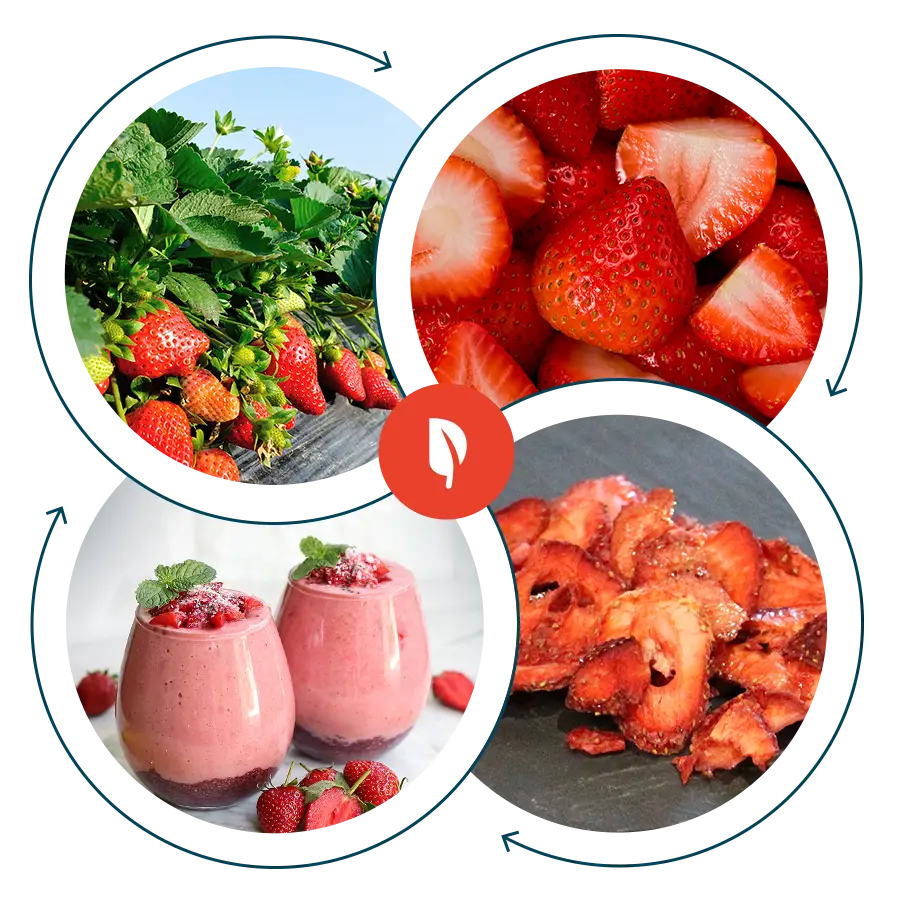
French food technology firm Dry4Good is ramping up its production capabilities to support the rising demand for natural ingredients, as businesses increasingly seek to develop cleaner labels, streamlined formulations, and substitutes for synthetic additives.
The push for transparency in ingredient listings is reshaping the food and beverage landscape, leading manufacturers to focus their investments on processing methods that maintain the authentic qualities of raw materials rather than depending on intricate formulations.
This trend has been underscored by Dry4Good’s recent acquisition of €5 million in funding aimed at enhancing the production of its natural ingredients derived from fruits, vegetables, and aromatic plants. This capital infusion will enable the company to boost its annual production capacity from 50 metric tonnes to 800 metric tonnes, establish two additional production lines, and create approximately 10 new positions at its facility located near Paris.
While the investment itself is noteworthy, it signifies a larger shift within the food sector, as manufacturers adapt to increasing consumer demand for recognisable ingredients, heightened scrutiny surrounding artificial additives, and a greater focus on reducing processing levels in their final products.
Innovative Drying Solutions
Traditional drying techniques have historically posed challenges for food manufacturers. High-heat processes can detract from flavour richness, modify natural colours, and diminish nutritional content, often necessitating the addition of flavour enhancers, colour agents, or other functional additives.
In response, Dry4Good has introduced a drying method that operates at ambient temperatures, effectively preserving the sensory and nutritional aspects of fresh fruits, vegetables, and herbs while expelling moisture. The company claims this innovative process concentrates naturally occurring flavour compounds, pigments, and nutrients without resorting to artificial additives.
This results in a variety of products—including powders, granules, and inclusions—suitable for industrial applications in sectors such as baking, confectionery, beverages, seasonings, and ready-to-eat meals.
Romaric Janssen, the president and co-founder of Dry4Good, emphasised that the technology tackles a persistent challenge faced by manufacturers.
“Finding dry ingredients that can genuinely replicate the sensory experience of fresh products has been a long-standing hurdle in the industry,” he noted. “Our technology empowers manufacturers to utilise ingredients that provide authentic flavour and colour, facilitating a move away from synthetic additives and overly processed formulas.”
Advancements in Processing Technology
This announcement reflects a significant trend in food manufacturing—leveraging advancements in processing technology to enhance ingredient functionality rather than focusing solely on ingredient chemistry.
This shift presents manufacturers with potential advantages, allowing them to simplify their formulations while still upholding product quality and sensory appeal. Innovations that are adept at retaining natural flavors and colors can also aid in reformulation efforts aimed at reducing artificial additives, aligning with evolving consumer preferences.
As the food sector navigates the complexities of maintaining product quality, operational efficiency, ingredient accessibility, and regulatory compliance, the emphasis on processing advancements is becoming increasingly vital.
Strengthening Supply Chains
In addition to its formulation benefits, Dry4Good’s sourcing strategy aims to bolster ingredient supply chains by collaborating with local farmers and cooperatives, utilising fruits and vegetables that, while not suitable for retail due to cosmetic standards, remain ideal for processing.
By sourcing produce during peak harvest times and transforming it into shelf-stable ingredients, the company strives to ensure manufacturers have consistent access to natural components throughout the year while contributing to the reduction of food waste produced upstream.
This approach also exemplifies broader industry initiatives aimed at enhancing supply chain resilience, particularly amid growing challenges from climate variability, seasonality, and fluctuating costs of raw materials.
Expanding Market Opportunities
The appetite for natural ingredients continues to grow as food manufacturers allocate resources towards clean-label product development across various categories.
Figures shared by Dry4Good indicate that the global market for natural food ingredients was valued at around $21 billion in 2023 and is anticipated to soar to $32.7 billion by 2030, fuelled by ongoing reformulation efforts and consumer preferences for simpler ingredient lists.
As manufacturers seek to provide genuine flavour, colour, and nutritional value without complicating their formulations, the investment in advanced ingredient processing techniques is poised to play an increasingly prominent role.
Whether techniques like precision ambient drying gain widespread acceptance remains to be seen, yet the current trajectory indicates that innovation will increasingly concentrate not only on ingredient selection but also on the processing methods employed before these components enter the production chain.