In recent months, JM Smucker, a leading US manufacturer, has confronted significant scrutiny, particularly concerning its substantial investment in the sweet snacks sector.
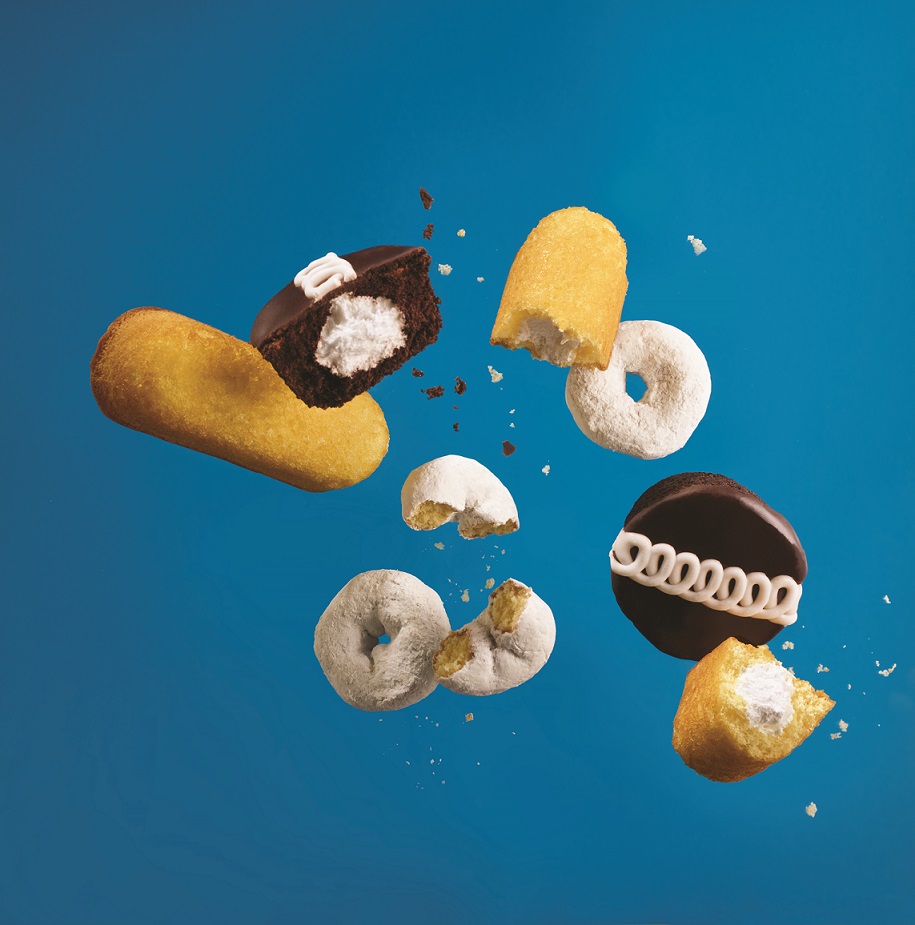
This year, the company’s ambitious acquisition of Hostess Brands, the owner of Twinkies, stirred divided opinions on Wall Street. The $5.6 billion deal appears to have turned somewhat sour as analysts speculate on its implications.
Moreover, rising coffee commodity prices have prompted close monitoring of the elasticity surrounding Folgers, a key brand in JM Smucker’s portfolio.
Last week, JM Smucker reported encouraging news, announcing an improved full-year sales forecast following fiscal first-quarter results that surpassed management expectations.
Nonetheless, this change was modest, and analysts continue to express concerns regarding the performance of the sweet snacks segment and the outlook for the coffee division, even after witnessing a remarkable 15% increase in coffee sales.
“Our first-quarter results exceeded our expectations and reflect the continued momentum of the business. Our teams demonstrated agility throughout the organization, and though the external environment remains dynamic, we are effectively managing what we can control,” stated CEO Mark Smucker.
Overall, JM Smucker’s results indicate promise, particularly with its Uncrustables brand enjoying success. Increased sales, driven by new products, enhanced distribution, and marketing efforts, demonstrate consumer interest. “Consumers themselves are helping us propel the brand into a mainstream phenomenon,” Mr. Smucker remarked.
Despite facing cost pressures in the first quarter, the company adhered to its annual earnings per share forecast. Adjusted earnings per share registered at $1.90, reflecting a 22% drop, while analysts anticipated an adjusted EPS of $1.93.
JM Smucker’s Sweet Snacks Struggles
However, the results reveal challenges for the sweet-snacks business, prompting analysts to question its future prospects.
In the first quarter, net sales from the sweet-baked snacks division plummeted by 24% to $253.2 million. When excluding assets sold to JTM Foods and Second Nature Brands, net sales fell 10%, with volume/mix declining by 8%.
In June, JM Smucker announced intentions to “narrow our priorities” within the sweet-snacks division after incurring further impairments.
The company recorded impairment charges amounting to $980 million, predominantly linked to goodwill in the unit and tied to the Hostess brand. Notably, JM Smucker had previously reported over $1 billion in impairment charges for the same units in March.
During a recent analyst meeting, Mr. Smucker clarified the company’s strategy to revitalize its sweet snacks business, which includes reducing SKUs by one-quarter, closing a factory, and establishing a dedicated sales team.
“Early signs reinforce that our strategy is working, as base velocities are improving and we have returned to share growth at several key customers,” he added.
Will Demand for Coffee Stay Strong?
Company-wide gross profit declined by 40% to $474.7 million, impacted by high commodity costs, “unfavorable volume/mix,” and the consequences of recent asset sales.
The principal driver behind JM Smucker’s increased input costs stems from coffee commodity prices. The US coffee division, representing approximately one-third of the company’s $2.12 billion in first-quarter sales, saw net sales rise by 15% year-on-year. This increase was supported by an 18% boost in “net price realization” as JM Smucker aimed to offset elevated input costs.
While “volume/mix” in the US coffee sector dipped by 2%, the Café Bustelo brand experienced a 17% increase. A significant factor contributing to the overall sales growth in the first quarter was the “better than anticipated price elasticity of demand” in its US coffee business, as noted by CFO Tucker Marshall.
As a result, the company raised its coffee sales guidance by $100 million, citing “favorable” elasticity.
Nevertheless, JM Smucker reported a 900 basis point contraction in coffee margins during the first quarter. After an initial price increase in May, the company announced another increase this month in response to US tariffs imposed on coffee origin countries.
“Through the combination of the May and August pricing actions, we expect to recover our anticipated costs for fiscal year, accounting for the impact of US tariffs at that time,” Mr. Smucker remarked. “However, we now expect a higher US tariff effect on green coffee costs and are implementing strategies to mitigate these cost increases through alternative sourcing, supply chain optimization, and responsible pricing.”
Peter McDonald, a seasoned food-industry consultant and former General Mills executive, highlighted that JM Smucker’s share price declined after reporting its results, despite lifting its sales forecast.
“Why? Coffee tariffs,” McDonald noted in a LinkedIn post. “Management estimates an annual $0.25 per share tariff cost impact – a 2.5-3.0% EPS hit by my math – with an expected $0.20 per share net pricing offset. They face a tough situation where costs are escalating faster than pricing can adjust. Early elasticities are more favorable than anticipated, and their future assumptions rely on this trend. More pricing increases are anticipated this winter.”
Additionally, he expressed uncertainty regarding JM Smucker’s claim of achieving what Marshall termed “an algorithm year, or potentially better, in fiscal year 2027,” contingent on “any significant changes in the green coffee commodity market or consumer or regulatory environment, including trade policy.”
Moskow stated his surprise at this assertion, suggesting it indicates the company expects its earnings per share to grow at a high-single-digit rate by fiscal 2027.
“From our perspective, it is prematurely ambitious to offer such visibility on FY27 given the uncertainties surrounding consumer responses to coffee inflation, tariffs, and the operational effects of Hostess integration,” he concluded.