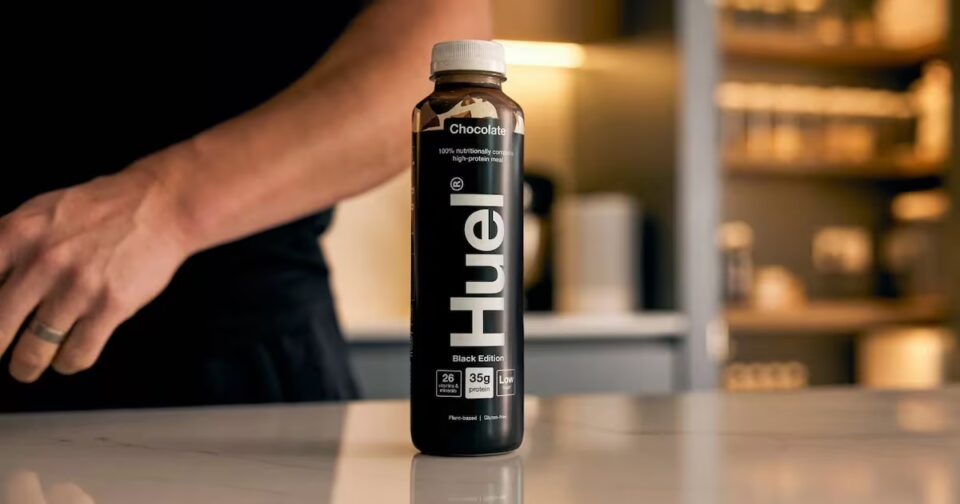
Earlier this year, Danone finalized an agreement to acquire Huel, which is currently under examination by the CMA. This acquisition aligns with Danone’s ‘Renew Danone Strategy,’ aimed at enhancing its foothold in the functional nutrition sector.
In its recent financial report for the first half of the year, Danone revealed that sales in 2026 reached €13,936 million, reflecting a 3.5% increase on a like-for-like basis, along with volume/mix growth of 1.7% and a price increase of 1.8%. The company credited its encouraging results to its health-focused product line, highlighting robust demand for its high-protein offerings and medical nutrition across various markets.
Huel, with a business model centered on health convenience, has been providing customers with a wide range of ‘nutritionally complete’ products, including powders, shakes, and meals, since its inception in 2015. After concluding its tenth financial year, Huel’s revenue reached £254 million.
The brand has established a significant market presence in both the US and Europe, with the UK being its largest and fastest-growing territory. Recent financial figures indicate that UK sales surged by 26.5% to £139.3 million; the products are now sold in over 17,000 retail locations, boasting more than 100,000 stocking points across the UK.
Over the years, Huel has expanded its product range and ventured into new categories. When combined with Danone’s extensive resources, capabilities, and global presence, the partnership is poised to foster further innovation and growth.
The timing of Danone’s acquisition is particularly strategic, coinciding with the onset of the ‘protein 2.0’ era, where weight loss medications are expected to create significant demand for protein-rich products. Huel is ideally placed to capitalize on this trend, with its emphasis on ‘nutrient-dense’ offerings and convenient formats appealing to users of medications like GLP-1.
As strategic meal planning gains importance, particularly for those using these drugs who may inadvertently skip meals, the demand for ‘good fuel’ will likely rise as GLP-1 becomes more mainstream. Current studies are already highlighting links between these medications and malnutrition, pointing to deficiencies in essential vitamins and minerals, including vitamin D, iron, B vitamins, calcium, and protein.