EU lawmakers have officially adopted a ban on meat-like names for plant-based product labels, a decision that has sparked significant backlash from the plant-based food industry and advocacy organizations.
As a result of the trilogue meeting, a total of 31 terms related to meat have been prohibited. Critics, including the No Confusion Coalition led by the European Vegetarian Union (EVU) and WePlanet, argue that this ban “hijacked” legislation intended to “strengthen” farmers within food supply chains, a move deemed unnecessary and misguided.
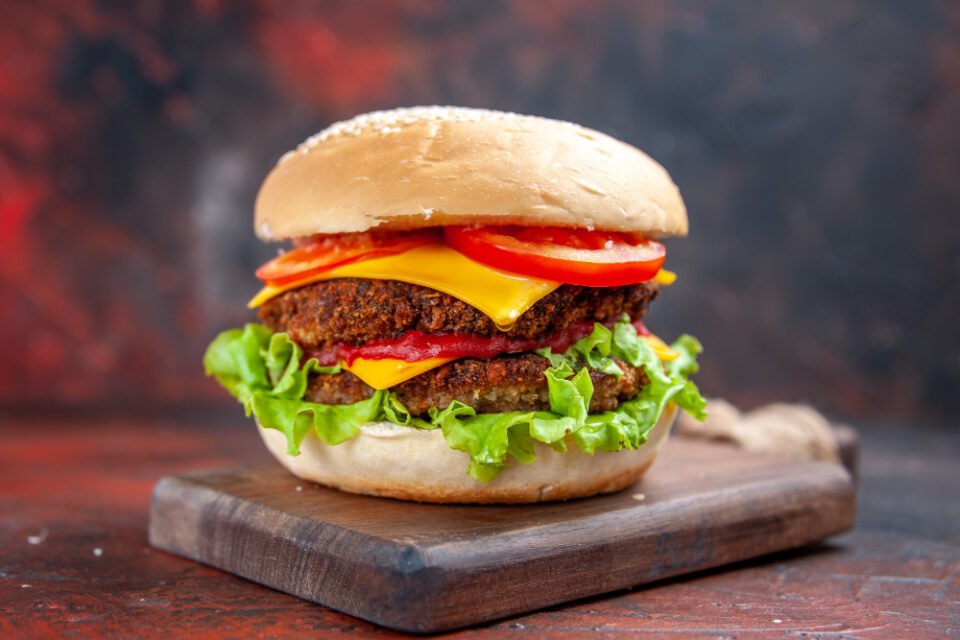
The restricted list prominently features animal-related terms such as “chicken,” “beef,” and “pork.” Additionally, descriptors like “steak,” “liver,” “breast,” “thigh,” and “drumstick” are now off-limits. However, terms like “burger,” “sausage,” and “nuggets” can still be used.
This restriction also extends to “novel” foods stemming from cellular agriculture, which are not yet available in the European market. Rafael Pinto, senior policy manager at the EVU, criticized the decision, stating, “This decision goes against several EU priorities such as increased competitiveness, innovation, food security, affordability, simplification and higher income for farmers producing the products. It is incomprehensible that our policymakers are focussing on made-up issues, when the world is at crisis.”
Negotiations regarding the ban had previously stalled in December without any consensus. Adding to the controversy, the European Court of Justice ruled in October 2024 that EU member states cannot prohibit the use of “meaty” terms following France’s attempts to do so for domestic plant-based producers.
Rob de Schutter, head of communications at WePlanet, characterized the latest agreement as “a plastic trophy in a culture war no one asked for.” ProVeg International, a non-profit organization, echoed these sentiments.
Jasmijn de Boo, global CEO of ProVeg International, stated, “There is no evidence of widespread consumer confusion where products are clearly labelled as plant-based or vegan. Removing familiar terms does not improve transparency; it reduces clarity and increases friction at the point of purchase.” Producers will have three years to deplete their existing stock after implementation of the new rules.
The technical text will be finalized next Friday, leading up to votes in the Agriculture and Fisheries Council and Parliamentary plenary. The No Confusion Coalition plans to monitor the final text closely and advocate for necessary clarifications or amendments.
On the other hand, Céline Imart, a French MEP behind the amendment to ban the use of certain names, welcomed the agreement, describing it as a “major victory for farmers.”
In summary, these developments reflect ongoing shifts in the food and beverage industry trends that influence the food and drink business. The evolving regulatory landscape continues to shape food and drink consumer trends, presenting challenges and opportunities for stakeholders across the sector.