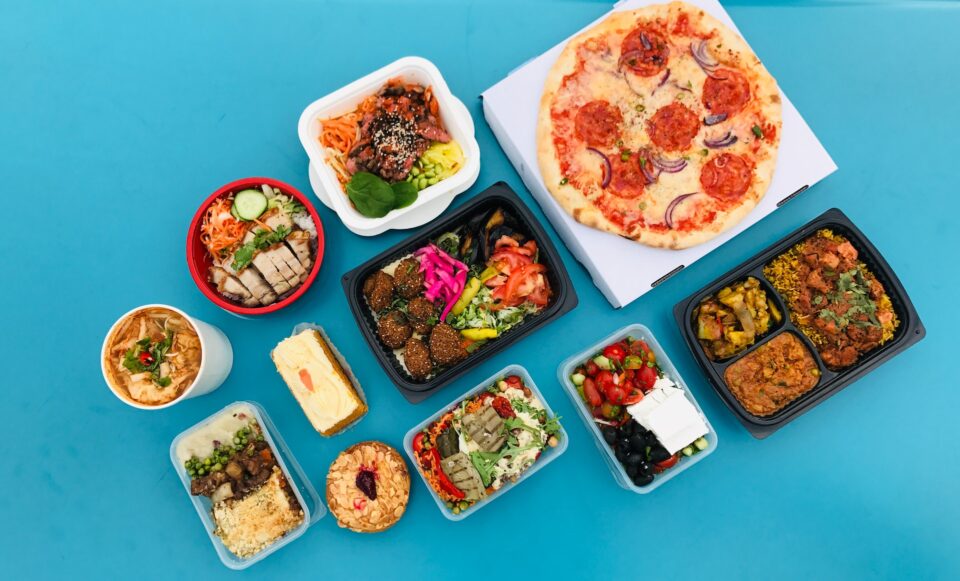
The ready meals market is a booming sector that is expected to grow significantly in the next decade. The main drivers of this growth are the convenience, affordability, and variety of ready meals that cater to the needs and preferences of different consumers. However, the market also faces some challenges, such as the health and environmental concerns associated with ready meals, as well as the cultural and religious sensitivities of different regions.
Ready meals are pre-cooked or partially cooked food products that can be easily prepared by heating or adding water. They come in various forms, such as canned, dried, frozen, chilled, or fresh. They offer a convenient and time-saving solution for busy consumers who do not have the time or skills to cook from scratch. They also provide a cost-effective alternative to eating out or ordering food delivery services.
The global ready meals market was valued at $249.76 billion in 2021 and is expected to reach $320.19 billion by 2027, growing at a CAGR of 4.23% from 2022 to 2027. The market is segmented by product type, distribution channel, and region.
By product type, the market is divided into canned, dried, frozen, chilled, and fresh ready meals. Canned ready meals are expected to witness the fastest growth from 2020 to 2027, due to their long shelf life, high nutritional value, and easy storage. Dried ready meals, such as instant pasta and noodles, are also popular among young consumers, especially in the U.S., China, India, and the UK. These products offer a variety of flavors and cuisines, such as Korean and Chinese ramen, that appeal to the taste buds of teens and young adults. However, these products also require authenticity and quality to satisfy the consumers’ expectations.
Exploring the Ready Meals Market: Trends, Opportunities, and Challenges
The frozen ready meals market is the largest segment, accounting for 40.2% of the market share in 2021. The chilled ready meals market is the fastest-growing segment, with a CAGR of 5.3% from 2022 to 2027.These products offer a wide range of options, from traditional dishes to international cuisines, that can be easily heated in microwaves or ovens. They also have a longer shelf life than chilled or fresh ready meals, which reduces food waste and spoilage. However, frozen ready meals also have some drawbacks, such as high sodium content, artificial preservatives, and low freshness.
Chilled and fresh ready meals are the most preferred by health-conscious consumers who seek natural ingredients, low fat content, and high protein content. These products are usually sold in refrigerated sections of supermarkets or convenience stores and have a shorter shelf life than other types of ready meals. They also tend to be more expensive than canned or dried ready meals.
By distribution channel, the market is categorized into supermarkets and hypermarkets, convenience stores, online portals, and others. Supermarkets and hypermarkets are the dominant distribution channel for ready meals, accounting for more than half of the market share in 2019. These outlets offer a wide range of products from different brands and price points that cater to various consumer segments. They also provide attractive discounts and promotions that encourage impulse buying.
Convenience stores are the second-largest distribution channel for ready meals, especially for canned and dried products that can be easily stored and displayed on shelves. These outlets are located near residential or commercial areas and offer quick and easy access to consumers who need a snack or a meal on the go.
Online portals are expected to grow at the highest CAGR from 2020 to 2027, due to the increasing penetration of internet and smartphone users who prefer online shopping for convenience and safety reasons. Online portals offer a variety of products from different regions and cuisines that can be delivered to the consumers’ doorstep within a short time span. They also provide reviews and ratings from other customers that help consumers make informed decisions.
Other distribution channels include vending machines, kiosks, restaurants, cafeterias, and food delivery services that also offer ready meals to consumers who seek convenience and variety.
By region, the market is analyzed across North America, Europe, Asia-Pacific, and LAMEA. North America is the largest market for ready meals, followed by Europe. These regions have a high demand for ready meals due to the busy lifestyles, high disposable income, and diverse food preferences of the consumers. The U.S., the UK, Germany, and France are the major markets in these regions.
Asia-Pacific is expected to be the fastest-growing market for ready meals from 2020 to 2027, due to the rapid urbanization, rising population, and increasing disposable income of the consumers. China, India, Japan, and South Korea are the key markets in this region. These countries have a growing demand for ready meals that offer convenience, affordability, and variety of cuisines.
LAMEA is the smallest market for ready meals, but has a potential for growth in the future. This region has a low penetration of ready meals due to the low awareness, low disposable income, and cultural and religious barriers of the consumers. However, these factors are expected to change with the increasing globalization, education, and exposure to different cultures and cuisines. Brazil, South Africa, Saudi Arabia, and Turkey are some of the emerging markets in this region.
The ready meals market is highly competitive and fragmented, with many players operating at local, regional, and global levels. Some of the key players in the market include Nestlé S.A., Conagra Brands Inc., Unilever PLC, Kraft Heinz Company, General Mills Inc., McCain Foods Limited, Campbell Soup Company, Bakkavor Group PLC, Greencore Group PLC, and Amy’s Kitchen Inc.
These players adopt various strategies to gain a competitive edge in the market, such as product innovation, mergers and acquisitions, partnerships and collaborations, expansion and diversification, and marketing and promotion. For instance, in September 2020, FiveStar Gourmet Foods Ltd. launched the Simply Fresh2Go ready meals product line that delivers both in retail and school food service channels. The products are designed to meet the strict national school lunch dietary standards and provide a balanced complete meal including protein, grains, fresh vegetables, and fruits.
The ready meals market also faces some challenges that may hamper its growth in the future. One of the major challenges is the health concern associated with ready meals. Many consumers perceive ready meals as unhealthy due to their high content of salt, sugar, fat, calories, and artificial additives. These ingredients may increase the risk of obesity, diabetes, hypertension, cardiovascular diseases, and cancer. Therefore, many consumers prefer to cook fresh meals at home or opt for healthier alternatives, such as salads, sandwiches, and soups.
Another challenge is the environmental impact of ready meals. The production, packaging, transportation, and disposal of ready meals generate a large amount of greenhouse gas emissions, waste, and pollution that contribute to climate change and environmental degradation. The packaging of ready meals is especially problematic, as it often uses non-biodegradable materials, such as plastic, aluminum, and cardboard, that end up in landfills or oceans. Therefore, many consumers are becoming more aware and conscious of the environmental consequences of their food choices and demand more sustainable and eco-friendly options.
A third challenge is the cultural and religious sensitivity of different regions. Ready meals have to cater to the diverse tastes, preferences, and dietary requirements of different consumers across the globe. For instance, some consumers may prefer halal, kosher, vegetarian, or vegan ready meals that comply with their religious beliefs or ethical values. Some consumers may also have allergies or intolerances to certain ingredients, such as gluten, dairy, nuts, or shellfish. Therefore, ready meals have to be clearly labeled and certified to avoid any confusion or controversy.
To overcome these challenges and capitalize on the opportunities in the market, ready meals manufacturers have to focus on innovation and differentiation. They have to offer products that are not only convenient and affordable but also healthy and environmentally friendly. They have to use natural ingredients, reduce salt, sugar, fat, and calories, and add more protein, fiber, vitamins, and minerals. They have to use biodegradable or recyclable packaging materials that reduce waste and emissions. They have to offer a variety of cuisines and flavors that suit the palates of different consumers. They have to ensure the quality, safety, and authenticity of their products and communicate their benefits and values to the consumers.
In conclusion, the ready meals market is a dynamic and lucrative sector that has a lot of potential for growth in the future. The market is driven by the convenience, affordability, and variety of ready meals that appeal to the needs and preferences of different consumers. However, the market also faces some challenges, such as the health and environmental concerns associated with ready meals, as well as the cultural and religious sensitivities of different regions. Therefore, ready meals manufacturers have to innovate and differentiate their products to gain a competitive edge in the market and satisfy the consumers’ demands.