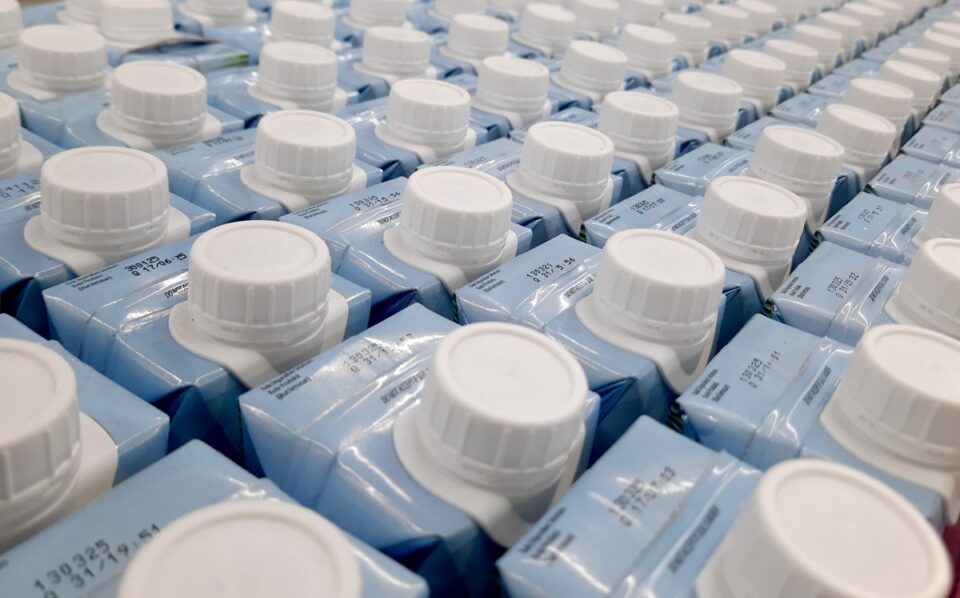
Industry Insight: As of 2026, caps and closures sit at the intersection of three converging pressures: material circularity (PPWR), digital traceability (DPP), and operational efficiency (Manufacturing 4.0). Manufacturers that align closure design with these three pillars will not only meet compliance requirements but unlock measurable gains in cost control, recyclability and supply chain transparency. Those that do not risk falling behind as closures become a key audit point for retailers, regulators and consumers alike.
As caps evolve from simple seals into compliance-critical components, material innovation, digital traceability and regulation are reshaping one of packaging’s smallest—but most strategic—elements.
The humble cap is no longer a passive component. In 2026, caps and closures have become a focal point for regulatory compliance, material innovation and supply chain transparency—driven by tightening legislation and the industry’s shift toward circular packaging systems.
Nowhere is this transformation more visible than in the emergence of fibre-based closures. Developments in Dry Molded Fiber technology, led by companies such as PulPac and supported by initiatives like The Bottle Collective, are pushing fibre into applications once dominated entirely by polymers. For food and beverage manufacturers, the challenge is no longer just reducing plastic—but eliminating it altogether without compromising seal integrity, torque performance or shelf life.

The PPWR Era: From Lightweighting to Full Circularity
The transition from the EU’s Single-Use Plastics Directive to the Packaging and Packaging Waste Regulation (PPWR) marks a significant escalation in compliance requirements.
Closures are now directly implicated in:
- Mandatory recycled content targets for plastics by 2030
- Design for Recycling (DfR) criteria, favouring mono-material systems
- Material transparency and reporting obligations
For manufacturers, this is driving a fundamental rethink of closure design. Traditional combinations—such as polyethylene caps on PET bottles—are being replaced by mono-material PET closures, simplifying recycling streams and reducing contamination risk.
At the same time, demand for food-grade recycled polypropylene (rPP) and polyethylene (rPE) is accelerating, creating supply chain pressure and price volatility. Procurement teams must now balance compliance with cost, availability and performance—turning closures into a strategic sourcing decision rather than a commodity purchase.
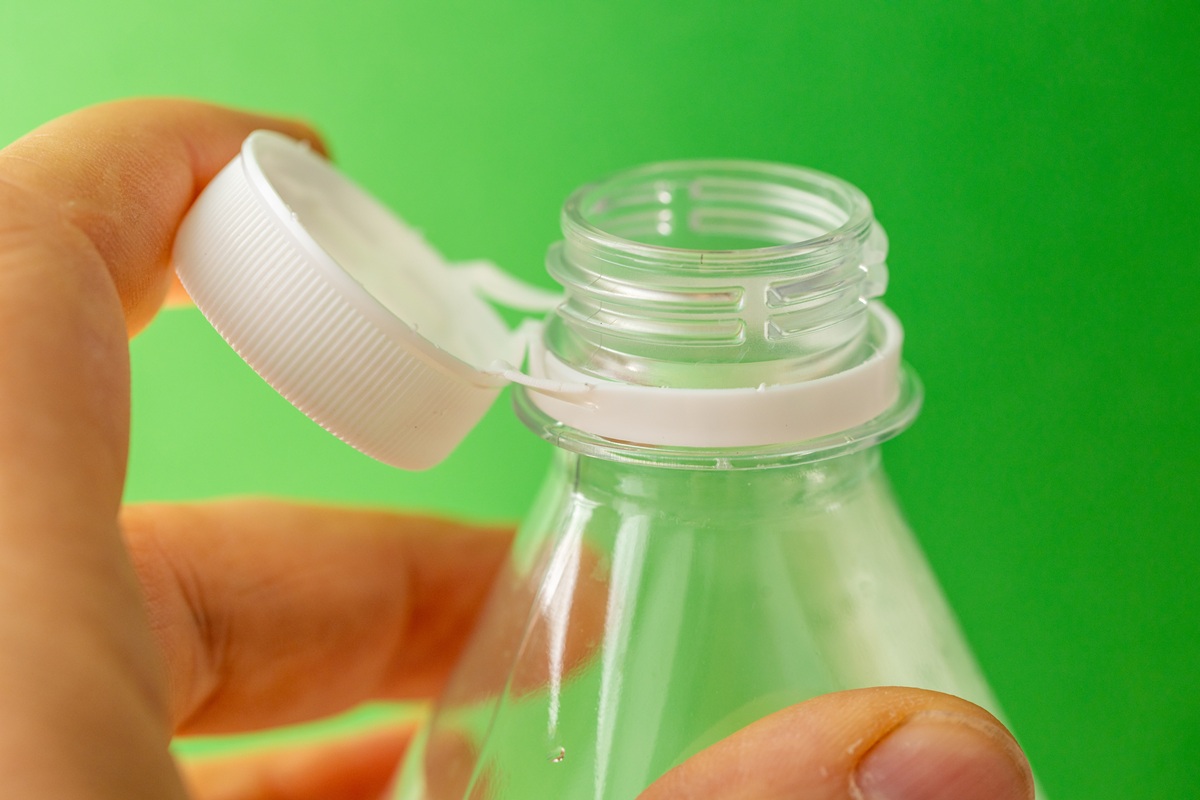
Post-Tethering Reality: Operational Lessons from Compliance
The EU’s tethered cap requirement, enforced since July 2024, has moved from regulatory deadline to operational reality.
While the environmental intent is clear—reducing cap litter and improving recycling rates—the implementation has introduced new challenges:
- Line efficiency impacts due to modified application systems
- Consumer usability feedback, particularly around opening ergonomics
- Increased design complexity to maintain tamper evidence and functionality
For UK manufacturers exporting into the EU, dual compliance strategies are now required, even in the absence of equivalent domestic legislation—adding further cost and engineering complexity.
Caps as Data Carriers: The Rise of the Digital Product Passport
Beyond materials, closures are rapidly becoming the entry point for digital traceability.
With the EU moving toward Digital Product Passports (DPPs), caps are emerging as the most practical location for data integration—via laser-etched QR codes, NFC chips or embedded identifiers.
This shift transforms closures into:
- Compliance tools, providing verifiable material and carbon data
- Traceability anchors, linking products to batch-level information
- Anti-counterfeiting solutions, particularly in high-value beverages
For manufacturers, the ROI lies in audit readiness and supply chain visibility—not just consumer engagement. The cap is no longer just sealing the product; it is validating it.

Next-Generation Materials: From Bio-Based to Carbon-Negative
Material innovation is accelerating beyond conventional “biodegradable” claims toward measurable environmental performance.
Key developments include:
- PHA (polyhydroxyalkanoates): marine-degradable polymers suited to sensitive applications
- Bio-based polyethylene derived from renewable feedstocks
- Carbon-captured plastics, produced using CO₂-derived ethanol
These materials offer potential pathways to reduce Scope 3 emissions, but they also introduce new challenges around scalability, certification and compatibility with existing recycling infrastructure.
For engineering teams, the question is no longer “Is it sustainable?” but “Is it compliant, scalable and operationally viable?”
Manufacturing Shift: Smart Moulding and Energy Efficiency
Behind the scenes, closure production itself is undergoing transformation.
Advanced AI-optimised injection moulding systems now enable ultra-lightweight designs without compromising structural integrity, reducing resin use while maintaining torque and sealing performance.
Meanwhile, compression moulding technologies are gaining traction due to their lower energy consumption—offering measurable reductions in manufacturing emissions and operational costs.
For suppliers, this creates a dual opportunity: improving sustainability credentials while delivering tangible ROI through material and energy savings.

Closing the Loop: Designing for Reuse and Refill
As refill and reuse models gain momentum, closures must evolve to meet new durability requirements.
Unlike single-use caps, reusable closures must:
- Withstand multiple wash and refill cycles
- Maintain consistent sealing performance over time
- Integrate tamper evidence without single-use components
This is creating a new category of “high-durability closures,” particularly relevant for deposit return schemes and closed-loop distribution systems.
The Strategic Shift: From Component to Compliance Driver
With the global caps and closures market exceeding $85 billion and growing steadily, the scale of transformation is significant.
For food and beverage manufacturers, the message is clear: closures are no longer a minor packaging detail. They are now a critical interface between regulation, sustainability and operational performance.
Those that treat caps as a compliance-driven, data-enabled component—rather than a commodity—will be best positioned to navigate the next phase of packaging regulation.
What is driving innovation in caps and closures in 2026?
Regulation, particularly the EU PPWR and Digital Product Passport requirements, alongside sustainability and traceability demands.
Why is food-grade PCR for closures still a challenge?
Unlike PET bottles, closures are often made from PP or PE. Obtaining high-purity, odor-free, food-grade recycled PP remains a technical hurdle, driving the current industry interest in chemical recycling and advanced sorting technologies to meet the 2030 PPWR targets.
What are mono-material closures?
Closures made from the same material as the bottle (e.g. PET), improving recyclability and reducing contamination.
Are fibre-based caps commercially viable?
Emerging technologies like Dry Molded Fiber are advancing quickly, but scalability and sealing performance remain key challenges.
How do Digital Product Passports affect closures?
Caps are becoming carriers of product data via QR codes or NFC, enabling traceability and compliance verification.