

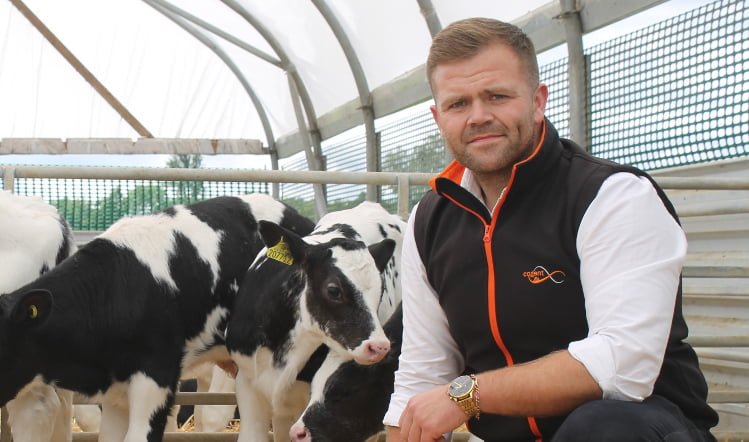
According to recent estimates, approximately 60% of beef produced in the UK is sourced from the dairy herd, and this figure is expected to increase in the next five years. Therefore, improving the quality of these cattle can bring benefits to both dairy farmers and the wider beef supply chain. Cogent, a leading provider of genetic services, has designed a beef breeding program that focuses on developing bespoke genetics for specific sire breeds, ensuring consistency and desired traits in cross-bred calves.
To achieve greater food security through breeding dairy-cross-beef calves, there must be value and profit for the dairy farmer, and a high-quality end product suitable for the retail market. Cogent has partnered with progressive beef herds in the UK to provide a product that meets requirements at every part of the supply chain, including bulls bred for desirable traits such as conception rate, calving ease, and gestation length, with a strong focus on carcase quality and consistency to benefit retailers and consumers.
Data plays a crucial role in this initiative, as lack of visibility has been identified as a drawback of the dairy-cross-beef supply chain. Cogent has partnered with Pathway Farming, an integrated beef business, to provide transparency and feedback through a long-term contract with M&S, supplying high-quality Aberdeen Angus beef to consumers. By monitoring data points from over 318,000 progeny and providing farmers with monetary values, Cogent can make continuous improvements to the program, making breeding decisions to drive profitability throughout the supply chain.
The breeding program has specific benefits for the end-product and consumer, including reducing the environmental footprint of beef, producing animals that eat less and grow faster, and improving the performance of the best-performing animals throughout their life from early data through carcase quality. Early figures from the program indicate that bulls are slaughtered, on average, 512 days sooner than the national average age, with a high percentage of progeny achieving low-fat grades and attractive conformation. With the expected growth of the dairy-cross-beef market, these data-driven improvements mark a real opportunity for the future of beef supply chains and securing readily available British beef.
