Step into any sizable commercial bakery, and you’ll soon identify the production bottleneck. Although contemporary ovens can produce thousands of uniform loaves and pastries every hour, the finishing touches — including glazes, egg washes, and intricate chocolate drizzles — have long depended on a frustrating combination of manual labor and inconsistent machinery.
This scenario often leads to variability, disorganized workspaces, and significant ingredient wastage.
A novel collaboration between European Process Plant Ltd (EPP) and the European manufacturer Dojatec is redefining the landscape for bakeries across the UK and Ireland. By rolling out sophisticated automated precision topping and finishing systems, they are demonstrating the impressive results that emerge when artisanal skills are enhanced by intelligent automation.
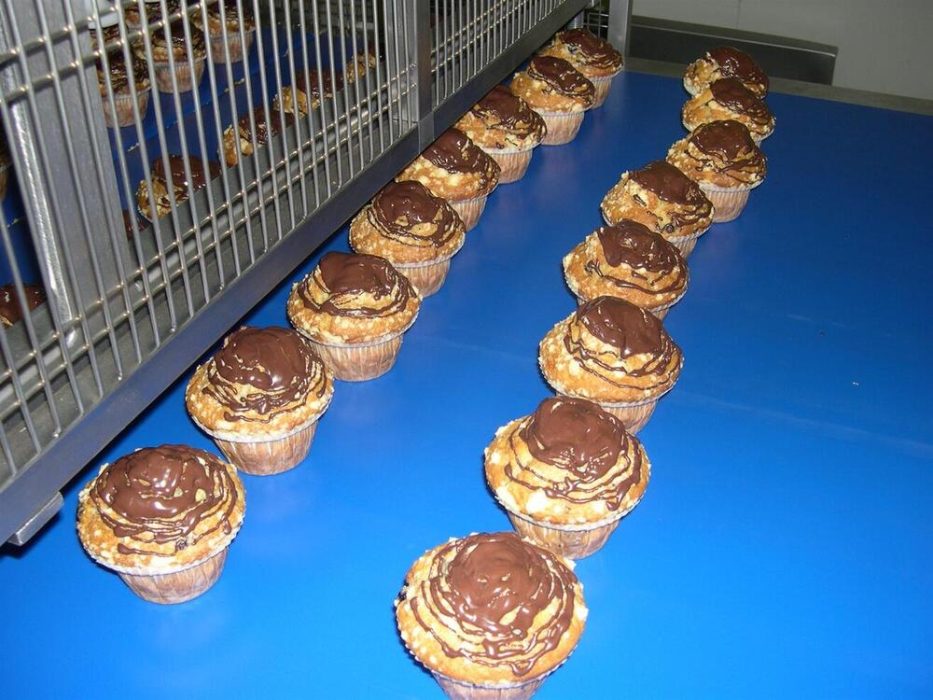
The pursuit of an impeccable aesthetic finish is paramount. “From egg wash and syrup application to glazing, icing and decorative finishes, these technologies enable food manufacturers to achieve a more natural hand-finished appearance,” states Steve Merritt, managing director of EPP.
Merritt’s insights illuminate the core advantage of this innovation: visual attractiveness. In the realm of food retail, consumer decisions are often driven by visual stimuli. A pastry that appears overly sterile or excessively uniform forfeits its premium allure, while uneven glazing can detract from its appeal.
The innovative Dojatec system resolves this challenge by mimicking the subtle, varied look of a hand-crafted finish. Yet, beneath this artisanal facade lies meticulous industrial accuracy. Each pastry emerging from the production line is indistinguishable from the last, ensuring consistent quality across large-scale batches.
To fully appreciate the advantages of this technology, one must observe the machinery in operation. Conventional spraying techniques often coat conveyor belts and surrounding areas just as much as the products themselves, leading to a messy and hazardous work environment.
The new system streamlines this disorder through three intelligent features:
- Product detection sensors: The machinery remains inactive until a baked item is precisely beneath it.
- Airless spray guns: By eliminating the use of compressed air, the system delivers liquid egg, oils, and syrups in a concentrated, controlled manner.
- Adjustable settings: Operators can swiftly modify the spray patterns to accommodate changes in product sizes.
The result is an exceptionally tidy production area. More crucially, it significantly reduces overspray, ensuring that costly ingredients are utilized effectively rather than wasted.
However, the true measure of this technology is its remarkable adaptability. Sticky and dense materials, such as apricot glaze, fondant, and liquid chocolate, are notoriously challenging to automate. They can obstruct production lines, cool too quickly, and disrupt consistency in output.
The partnership between EPP and Dojatec introduces specialized dipping and aeration equipment crafted to manage these challenging finishes. Whether it involves dipping doughnuts or uniformly coating cakes with sugar solutions, this machinery takes over labor-intensive tasks that have traditionally hampered production speed.
With over two decades of European manufacturing knowledge backing this technology, UK and Irish bakers gain improved access to technical collaboration, a reliable supply of spare parts, and rigorous adherence to contemporary hygiene practices.