Why More Brands are Embracing Paper-Based Solutions – and How Sappi Leads the Charge
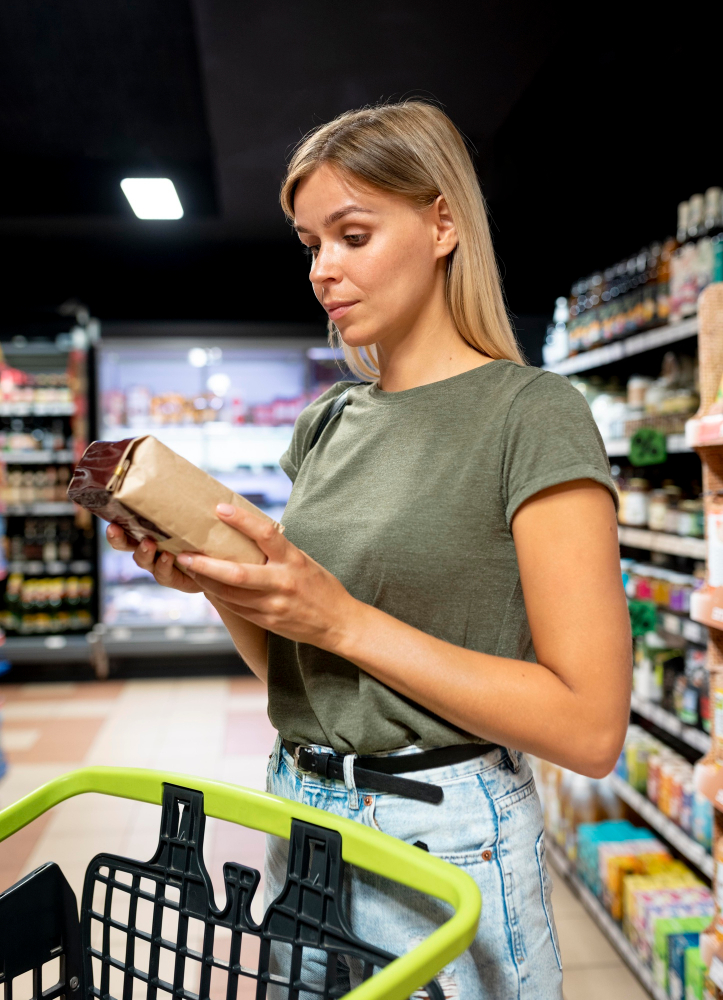
In the food and drink packaging industry, brands are increasingly reevaluating their approaches to product protection while addressing growing demands for sustainable packaging. With tightening regulations at both national and EU levels, retailers seek packaging that integrates seamlessly into existing recycling systems. Consumers now expect materials that are easy and responsible to dispose of, prompting brand owners to find a balance between performance, safety, and cost efficiency.
Sappi has anticipated this rising demand, having spent over a decade developing barrier papers. These mono-material solutions provide necessary product protection, can be used on existing packaging machines with minor adjustments, and are recyclable within the paper waste stream.
“The interest has grown fast in recent years,” states Gustavo Duarte, Head of Business Development at Sappi Europe. “Brand owners want solutions that actually solve their problems, not just ideas that sound good in theory. They want an alternative to plastic that fits into their real production environment.”
Addressing the Needs of Modern Packaging Lines
Duarte emphasizes that the selection of new packaging materials hinges on three core requirements. The first requirement is product protection. Food and drink packaging encompasses a wide variety of products, such as tea, cereals, chocolate, and dried fruits, each with unique sensitivities. Some foods require moisture protection, while others need oxygen or mineral oil barriers.
“You can’t compromise shelf life under any circumstances,” he asserts. “If the barrier fails, the product is at risk, and the supply chain suffers. So we test everything carefully and consistently. We measure permeation rates, check moisture resistance, and verify seal strength for grades that require heat sealing.”
The second requirement is compatibility with existing packaging machines. Many lines were originally designed for plastic films, which have been optimized for flexibility and tear resistance over the years. Paper behaves differently, even when achieving comparable performance to plastic.
“Plastic films are more flexible and forgiving in the process,” explains Alexander Schröder, Product Application Leader at Sappi. “Paper needs a different kind of care and attention. Tension, heat, and sealing pressure all play a role. However, this doesn’t necessitate new lines. Often, it’s about fine-tuning. We work closely with machine manufacturers to help customers understand the adjustments needed before transitioning.”
Most customers can adapt their machines autonomously. “Technicians know their machines well. They understand where small changes can lead to significant improvements. We offer support when needed, but many transition quickly.”
The third requirement is recyclability, a crucial driver steering brands toward barrier papers. Many plastic-based packages often end up as mixed waste due to sorting challenges.
“When a material fits into the paper recycling stream, it changes the entire landscape,” Duarte explains. “It simplifies the process for consumers, aids retailers, and prepares brands for future legal requirements. Recyclability is often the persuading factor that nudges companies to progress. Furthermore, if barrier papers are disposed of in the ‘blue bag,’ they get recycled, resulting in potentially significant CO₂ reductions.”
Bridging the Divide Between Conventional Paper and Plastics
For years, plastics have dominated flexible packaging due to their robust sealing and protective attributes. Plain paper cannot match the same level of protection, while glassine offers limited grease resistance without addressing moisture barriers.
“Barrier papers provide the combination of sealability and protection offered by plastic films, but with the added benefit of being recyclable as mono-material in the paper waste stream. That is the key difference,” says Gustavo Duarte. “Moreover, in applications like stand-up pouches and bags, paper’s inherent stiffness compared to plastics opens new possibilities for paper-based solutions in segments previously deemed too demanding for paper.”
Operating Within Strict Regulatory Frameworks
Food packaging comes with stringent obligations. Sappi collaborates with accredited external laboratories to verify that all materials meet food-contact standards. Every ingredient entering Sappi’s mills is approved for direct food contact.
“These certificates are essential,” Duarte notes. “Customers rely on them for documentation and audits. We ensure that the evidence is always accessible and current.”
Emerging regulations, such as the Packaging and Packaging Waste Regulation (PPWR), are heightening expectations around recyclability. Sappi conducts internal tests using CEPI/4evergreen methods before external certifications to identify potential issues early. Given that Sappi expects CEPI/4evergreen to align closely with PPWR, this ensures the materials are future-proof for upcoming European Technical Specifications.
“This early testing helps us refine the papers rapidly,” he explains. “And it instills confidence in customers that the material will comply with both today’s and tomorrow’s regulations.”
Responsible Sourcing as a Catalyst for Change
Traceability and responsible forest management form the backbone of Sappi’s operations. The company adheres to FSC, PEFC, and SFI certification systems across its global supply chain. In South Africa, Sappi manages 400,000 hectares of certified plantations, supplying only the local market.
“No wood travels from South Africa to Europe,” Duarte clarifies. “Our European mills source wood from within approximately 150 kilometers of each site. This strategy keeps supply chains short and transparent. If a customer requires certified material, the delivery documents always include the relevant claims.”
This approach is increasingly vital for brand owners, many of whom face mounting pressure to trace every component of their supply chains.
Comprehending the Full Cost of Materials
At first glance, barrier papers may seem pricier than some plastics. However, Duarte emphasizes that such comparisons can be misleading. Plastics range from mono-materials to complex laminates, each carrying different price points.
“You must consider the complete cost picture,” he states. “Recycling fees for plastic laminates can be higher. In some regions, recyclable materials qualify for financial incentives.
When evaluating overall costs—material expenses, recycling fees, and potential incentives—the advantage often leans towards paper-based solutions. It depends on the application, but companies frequently express surprise when they analyze the numbers transparently.”
A Decade of Development Positioning Sappi as an Innovation Leader
Sappi began producing barrier papers over ten years ago and has since developed an extensive portfolio. The company employs dispersion-based technology, allowing the papers to be recycled in the paper waste stream.
“We offer the most extensive range of barrier papers available today,” Duarte notes. “We recognize that no single grade can meet every requirement. Rather than providing oversized standard products, we create papers tailored to specific barrier needs. This approach accelerates development and delivers solutions that are both technically and commercially viable.”
Duarte anticipates that the overall shift towards paper-based flexible packaging will continue and intensify in the coming years, especially with the enforcement of PPWR.
“This transition is unfolding step by step,” he observes. “But the direction is unambiguous. Consumers desire packaging that supports recycling, while companies seek solutions that not only protect their goods effectively but also operate seamlessly on their production lines without major investments. Barrier papers can deliver on all fronts. That’s why we observe increasing interest year after year.”
Discover more about Sappi at: www.sappi.com