


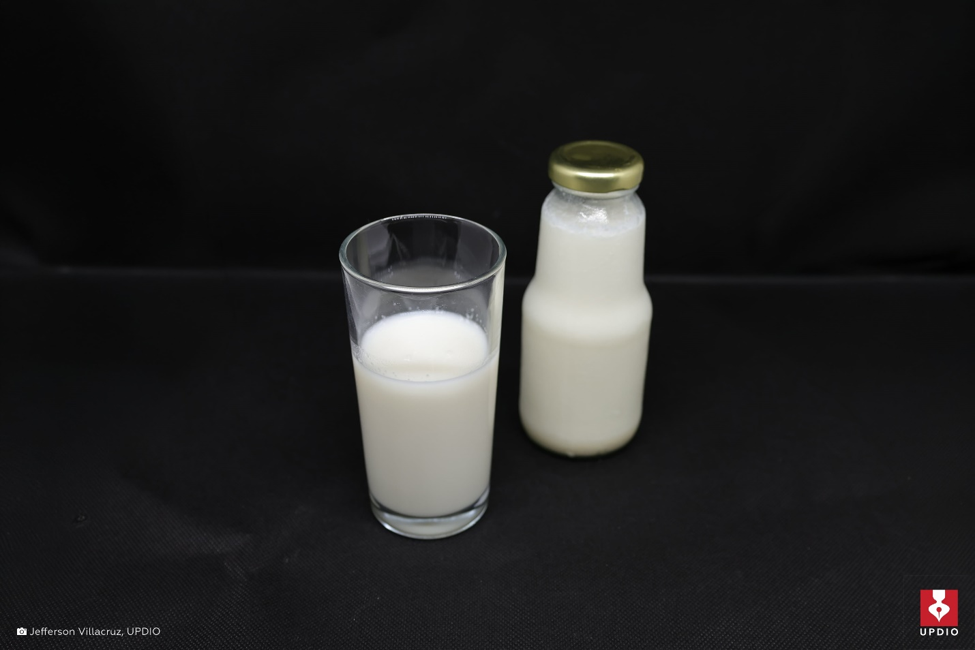
Scientists in the Philippines have created a coconut protein concentrate from a by-product of virgin coconut oil production and paired it with chickpea protein to formulate a plant-based milk beverage. The approach could help recover value from coconut-processing waste, although the ingredient requires further development before it can compete at commercial scale.
The by-product of virgin coconut oil (VCO) manufacture may provide food producers with an additional source of plant protein. Researchers from the University of the Philippines Diliman (UPD) converted coconut skim milk, which is frequently discarded during oil extraction, into a protein concentrate.
The team then combined the coconut ingredient with chickpea protein to produce a hybrid plant-based milk alternative. Casiana Blanca J. Villarino, a professor in UPD’s Department of Food Science and Nutrition, led the project. The findings appeared in the International Journal of Food Science and Technology on 13 August 2026.
Published under the title Upcycled Coconut Protein as a Sustainable Ingredient for a Novel Hybrid Plant-Based Milk Alternative with Chickpea Protein, the study investigated methods for recovering coconut skim milk and transforming it into a usable food ingredient.
Turning a coconut by-product into a resource
VCO production generates coconut skim milk as a secondary material. Villarino reported that processors produce approximately 800g of this by-product for each kilogram of VCO.
When measured on a dry-weight basis, coconut skim milk contains more than 30% protein. The material also provides minerals and antioxidant compounds, which may support its use in functional food applications and reflect wider food manufacturing trends focused on resource efficiency.
“Technically tinatapon lang talaga siya, kaya sayang. May minerals and antioxidant property siya, so why not utilize it? Ang isang utilisation ay coconut protein concentrate,” said Villarino.
The project built on Villarino’s previous research into the sensory characteristics of VCO and work related to strengthening the Philippine National Standards for the product.
Discussions with coconut oil manufacturers demonstrated the substantial volume of waste produced during processing. In addition to skim milk, the industry generates coconut husks, mature coconut water and coconut residue, also called sapal.
If these materials are not properly managed, they may cause odour problems, increase greenhouse gas emissions and contribute to water contamination. As food and drink sustainability becomes a stronger priority across the sector, converting such materials into ingredients could support more circular production systems.
For the research, the team obtained coconut skim milk from the Quezon Federation and Union of Cooperatives in Pagbilao, Quezon.
Creating the coconut protein ingredient
The researchers had to manage the skim milk carefully because it deteriorates rapidly. They pasteurised the material shortly after collection and stored it in frozen conditions until extraction began.
A sequence of processing stages, including centrifugation and freeze-drying, separated and concentrated the protein before producing it as a powder. This combination of food processing technology steps enabled the team to recover a stable ingredient from the liquid by-product.
They incorporated the resulting coconut protein concentrate into a beverage containing chickpea protein, creating a hybrid plant-based milk alternative (hPBMA).
To establish the most suitable recipe, the team used a mixture-design method to compare varying ratios of the two protein sources. Researchers assessed each formulation for sensory performance and colour.
The preferred formulation consisted of 34% coconut protein concentrate and 66% chickpea protein.
Per 100g, the finished beverage supplied 2.47g of protein. Its overall taste was similar to soy milk, while a noticeable coconut aroma added a distinct characteristic.
Product stability and formulation challenges
The study also examined how the beverage performed during refrigerated storage.
Microbiological and physicochemical testing showed that the product maintained stability for nearly two months. Based on the storage results, Villarino projected a shelf life of approximately 56 days.
Sensory testing revealed that participants could identify the coconut aroma, although the coconut taste remained mild. Chickpea protein delivered a stronger flavour that participants described as similar to soy.
These results indicate that combining coconut and chickpea proteins may produce a more acceptable drink than relying on either protein source independently. The finding aligns with food and drink consumer trends favouring plant-based products with improved taste and nutritional value.
For beverage manufacturers, the formulation demonstrates one possible route for incorporating an upcycled protein into plant-based drinks. Nevertheless, the research has not yet confirmed whether coconut protein concentrate can meet the cost, functional performance and sensory requirements of commercial manufacture.
Additional studies will need to refine the beverage’s flavour and mouthfeel while comparing its commercial potential with products formulated from soy protein concentrates and isolates. Manufacturers will also need to consider food and drink regulations, food and drink packaging requirements and market positioning before large-scale adoption.
Expanding the value of coconut processing
The findings illustrate how a material normally treated as waste could become a source of added value.
For coconut processors, finding a productive use for skim milk could lower waste volumes and create a new revenue stream. Food producers could also gain access to a locally sourced ingredient for protein-fortified foods and plant-based beverages, supporting broader food and beverage industry trends and food and drink industry innovation.
The project received funding from the UK Department for Science, Innovation and Technology in collaboration with the British Council, as well as the Department of Science and Technology–Philippine Council for Industry, Energy, and Emerging Technology Research and Development.