


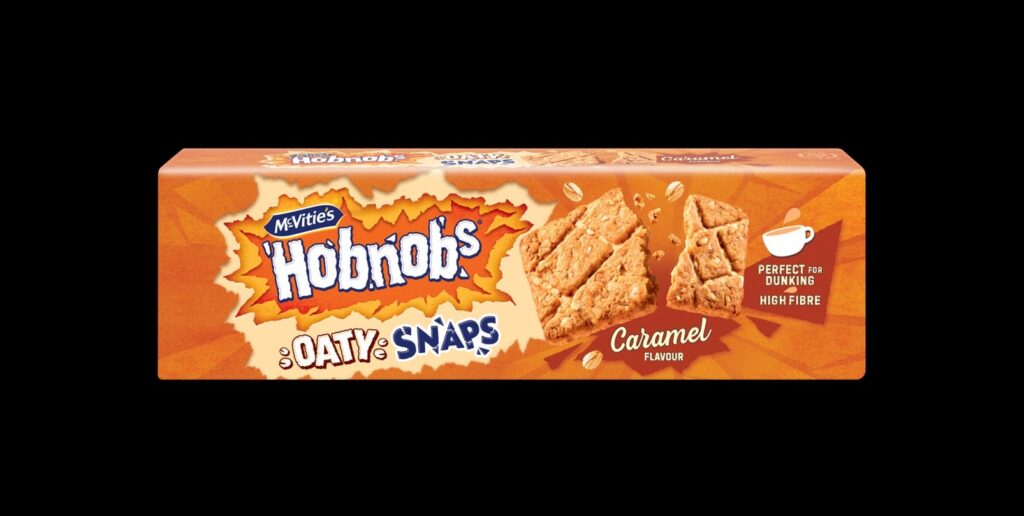
Pladis is initiating a reformulation strategy aimed at meeting the rising demand for HFSS and functional snack offerings.
The London-based producer behind McVitie’s biscuits and Godiva chocolates has committed to increasing the volume of products with reduced sugar, salt, and saturated fat levels by 2030.
This global initiative shares the same targets and timeline, encompassing enhancements to protein and fiber content, which will be bolstered by “upgrading existing recipes,” launching new products, and “extending successful lines into additional markets.”
To support this endeavor, Pladis has introduced what they describe as a “new global nutrition framework,” which will steer the development, reformulation, and marketing strategies of their products.
The company has employed several nutritional assessment systems as guidelines, including the Nutri-Score, first established in France and used across select European nations, along with Australia’s Health Star Rating and the UK’s Nutrient Profile Model (NPM).
The NPM, crafted by UK regulators, evaluates products based on health standards and is utilised by Ofcom in the enforcement of HFSS regulations.
“The framework is applied across all Pladis products and takes a balanced view of nutrition,” the company conveyed in a statement on July 28.
“It reviews both the nutrients that consumers are encouraged to increase, such as fibre and protein, and those that many aim to minimise, like salt, sugar, and saturated fat.”
Pladis indicated that currently, 10% of its sales volumes align with this framework, with plans to double this percentage by the decade’s end.
A representative from Pladis confirmed that the initiative is measuring against a 2023 baseline and that it applies across all 110 markets where the company operates.
This nutrition framework is designed for internal use and is not intended as a consumer-facing initiative, thus it does not need regulatory approval, according to the spokesperson.
Dr. Jennifer Moss, Pladis’s Chief R&D Officer, remarked: “People don’t buy biscuits and chocolate because they seek nutritional lectures – they buy them for enjoyment.”
“What is changing is that consumers increasingly desire more variety. They want products that cater to their lifestyles and health goals. We believe that future-leading brands will be those which can offer both.”
Pladis, which operates under Yıldız Holding in Türkiye, affiliated with the Ülker family, has already made progress in reformulating HFSS products.
While not specifying a timeline, the company noted it has successfully removed 676 tonnes of sugar from its UK recipes, and has lowered salt and sugar levels in its Sultana biscuits in the Netherlands while adding fibre.
For the Ülker brand, the company has reduced fat content by 549 tonnes over the last ten years, alongside cuts in sugar and salt levels.