


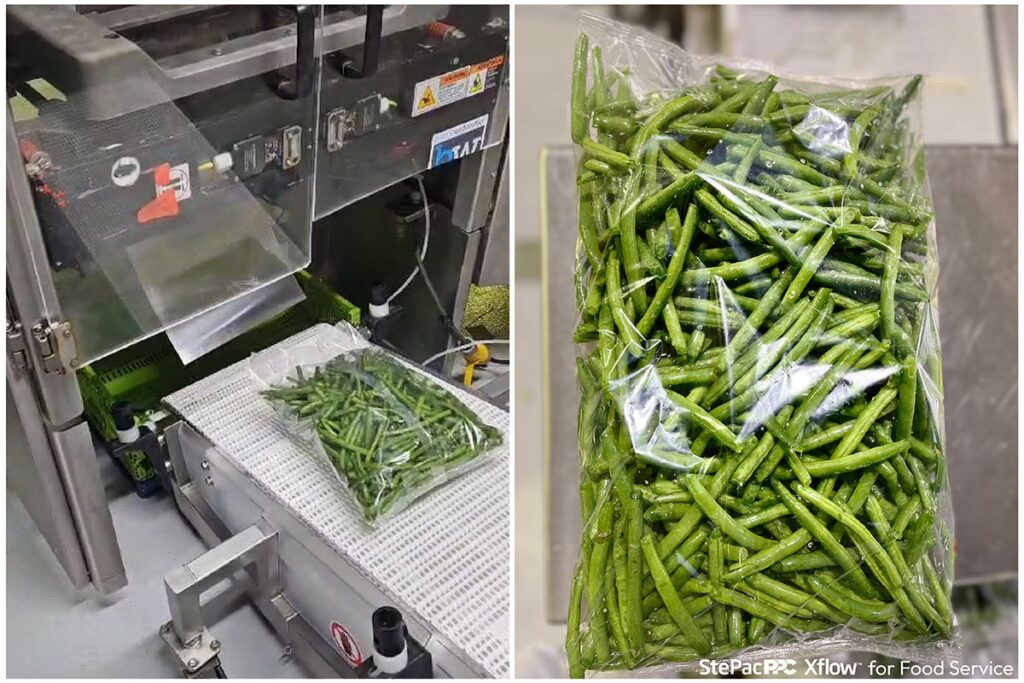
StePacPPC’s innovative modified atmosphere/modified humidity (MA/MH) packaging solutions are revolutionizing the US foodservice industry by significantly reducing waste and enhancing operational efficiency. In collaboration with its partner Windham Packaging Ltd. Inc., USA, this visionary developer addresses the critical issue of food waste, an ongoing challenge within the sector. Attendees can explore these impactful solutions at the upcoming Fruit Logistica, scheduled for February 5-7 in Berlin, at booth C-30, Hall 5.2.
The European Food Information Council estimates that around 1.05 billion tons of food waste is produced globally, with approximately 60% originating from households and almost 30%—approximately 290 million tons—coming from the foodservice sector.
This industry faces a considerable challenge, often discarding large quantities of perishable goods due to spoilage, temperature fluctuations during transportation, and kitchen waste. This costly cycle presents ethical dilemmas and persists despite attempts to improve inventory management and donation practices.
To combat these issues, StePacPPC and Windham Packaging have introduced a range of bulk modified-atmosphere packaging designed to extend the shelf life of fresh produce supplied to foodservice outlets, including restaurants, hotels, and canteens. These films are gaining traction among fresh produce packagers in the US, particularly for delivering ready-to-use items like sliced mushrooms, green beans, Brussels sprouts, and broccoli. Their use has been linked to improved operational efficiency and reduced waste levels.
“We’ve been using StePacPPC’s films to pack five-pound bundles of fresh green beans and Brussels sprouts for foodservice operations,” said Miguel Ibarra, Operations Manager of PEA King Produce, Inc. “As soon as we switched to this film, we experienced a 5% reduction in scrap rate compared to the previous material. Additionally, its enhanced sealing properties require shorter sealing times, increasing bagger speeds and improving operational efficiency. The real standout benefit is the film’s ability to better dissipate humidity from the bag and provide an optimal modified atmosphere, effectively increasing shelf life by 10% and thus boosting customer satisfaction.”
The sophisticated, resealable MA/MH packaging from StePacPPC features built-in water vapor transmission rates (WVTR) that help eliminate excess moisture buildup. This innovation not only preserves the quality and appearance of fresh produce during long-haul shipments but also extends storage time and reduces food waste. Suitable for both horizontal and vertical form-fill and seal (HFFS and VFFS) operations, these advanced films reduce plastic consumption while enhancing packaging process efficiency. Furthermore, the films are available with chemically recycled content, certified by RedCert2.
StePacPPC’s product portfolio includes its renowned Xtend® bags and Xflow™ films. These materials utilize a patented high-performance sealing layer that seamlessly adapts to both manual and automated packing across various produce items, promoting operational efficiency and potential reductions in labor costs.
“We have received numerous positive reviews from our customers praising the superior quality of fresh vegetables such as green beans and sliced mushrooms,” stated Gary Ward, Ph.D., CTO for StePacPPC. “They report that their products arrive with better quality and less waste at hotels, restaurants, caterers, and other foodservice destinations across the US. The innovative design not only ensures peak freshness upon arrival but extends shelf life even after opening. If resealed, the packaging will continue to maintain the quality of partially used produce under refrigeration, providing flexibility for future use and significantly reducing food waste. We are now focusing on replicating this success in the UK and Europe while adapting the packaging for a broader range of fresh produce in the foodservice sector.”
Moreover, StePacPPC’s solutions have played a crucial role in eliminating the need for ice. For instance, when shipping broccoli from Salinas Valley to a major restaurant chain across the US, iceless packaging allowed for the transportation of 66% more broccoli per container, leading to fewer deliveries and a reduced carbon footprint.
These advanced formats from StePacPPC have been tailored to accommodate varying volumes and specific requirements of foodservice operations. The design considers essential factors such as respiration rates, moisture sensitivity, dehydration risks, and required atmospheric conditions. By optimizing post-harvest handling and supply chain requirements, this packaging effectively preserves quality, extends shelf life, and reduces waste.