


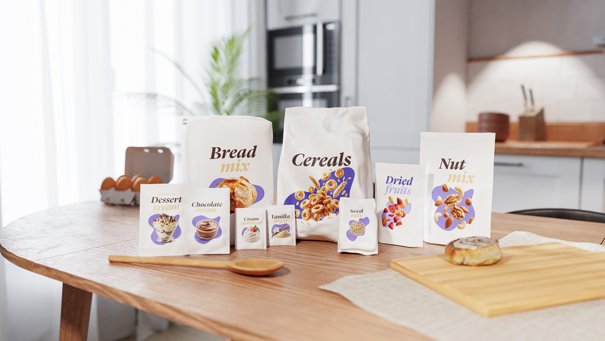
In the food sector, numerous companies are rethinking their strategies to enhance product protection while responding to growing demands for recyclable packaging. The bakery and cereal industries are particularly witnessing a significant shift toward sustainable materials. This change is largely driven by consumer preferences for plastic alternatives and stricter regulations, including the EU’s Packaging and Packaging Waste Regulation (PPWR). Consequently, brand managers are proactively seeking solutions that provide robust protection while maintaining environmental integrity.
Customized Protection for Bakery Ingredients
The discussion around new packaging materials begins with the essential need for product protection. Bakery ingredients have unique protection requirements. For instance, items like vanilla sugar and dessert creams can often use basic barrier materials. However, ingredients that include nuts, seeds, or fats necessitate superior protection against elements such as oxygen, moisture, fats, and mineral oil to maintain their quality and extend shelf life.
To cater to these varying protection needs, Sappi has introduced an extensive range of functional papers that merge sustainability with customized barrier capabilities suitable for diverse bakery applications.
High Barrier solutions, such as Guard Pro OHS, deliver exceptional defense against oxygen, moisture, and mineral oil, making them perfect for items like dried fruits, protein powders, and premium powders. For medium barrier requirements, Guard MS paper is specifically designed for products such as muesli, seeds, and bread mixes. Additionally, the Seal portfolio, which includes Seal Silk, provides excellent heat sealability and moisture resistance for applications with low barrier needs, such as candies and secondary packaging.
Achieving Performance Without Major Capital Investment
A critical concern for brand managers is the compatibility of new materials with existing packaging lines. Although plastic films are often viewed as more flexible during processing, contemporary functional papers are crafted to deliver similar performance with minimal adjustments required.
Switching to paper-based packaging commonly involves minor modifications to operating parameters, including web tension, sealing temperature, and sealing pressure. Typically, modern packaging machinery can be adapted to these changes, allowing paper solutions to meet performance metrics comparable to traditional plastic packaging.
To facilitate a seamless transition, Sappi’s application engineering experts collaborate closely with packaging machinery manufacturers, converters, and brand owners to test performance in real-world settings and optimize machine configurations for dependable, efficient production.
A Commitment to Recyclability and Sustainability
The primary catalyst driving the adoption of functional papers is their recyclability. Unlike many plastic laminates that often end up in mixed waste, Sappi’s functional papers are mono-materials that can be recycled directly within paper waste streams. This alignment simplifies disposal for consumers and assists brands in preparing for forthcoming legal obligations.
Moreover, sustainability is ensured from the very beginning. Sappi sources wood-based raw materials from sustainably managed forests, with its European mills certified by both FSC and PEFC Chain of Custody. This guarantees that each stage of the supply chain adheres to high transparency and responsibility standards.
A Comprehensive View of Costs
Although functional papers may seem pricier initially, a holistic cost assessment often paints a different picture. Brand managers must increasingly factor in aspects such as recycling fees, incentives for using recyclable materials, and operational efficiencies alongside material costs when selecting packaging options.
Collectively, these elements emphasize the necessity of evaluating packaging decisions through a total cost of ownership mindset rather than focusing only on initial material expenses. For bakery brands, the optimal solution effectively balances product protection, operational efficiency, recyclability, and cost-effectiveness throughout the lifecycle of packaging.
Ensuring the Future of Bakery Packaging
As the bakery sector strives to harmonize performance, sustainability, and cost factors, functional papers are emerging as a viable option for a broader spectrum of applications. By marrying product protection, recyclability, and operational efficiency, these materials can help mitigate the trade-offs typically associated with eco-friendly packaging.
For more insights on how Sappi’s functional papers can address your packaging needs, reach out to our experts or visit our website.