


In the quest for more sustainable packaging, the emphasis frequently shifts towards novel materials and evolving technologies. However, one of the most effective strategies to mitigate environmental impact is to minimize material use while ensuring performance remains intact.
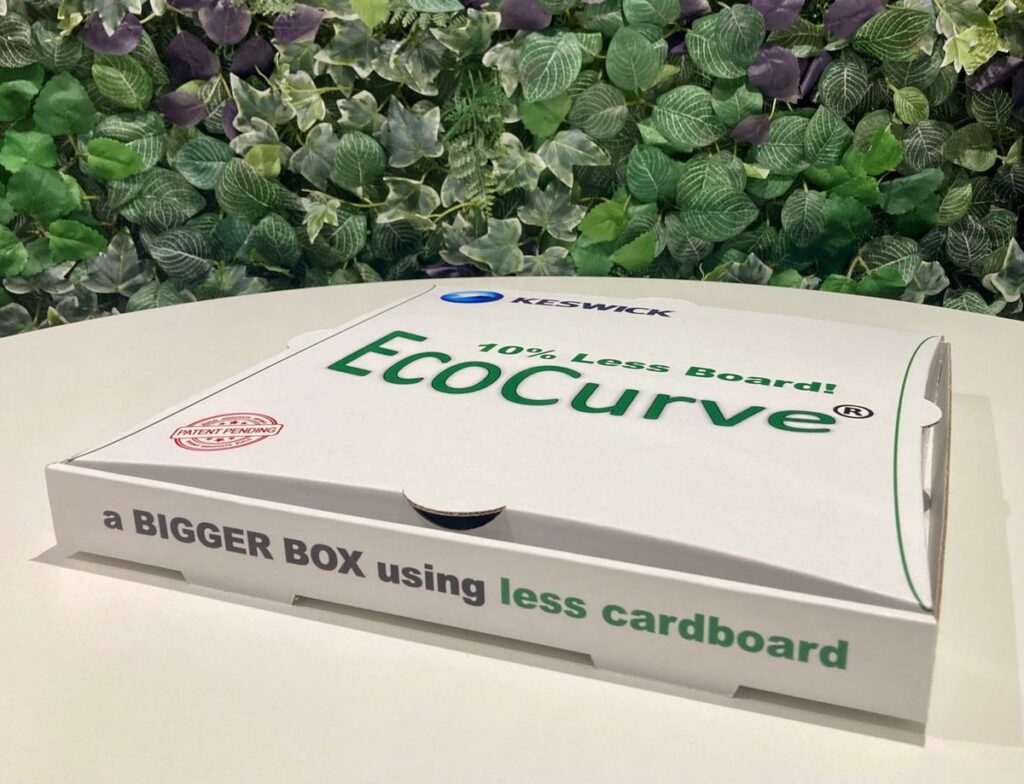
This approach is exemplified by EcoCurve, a patented reimagining of the standard corrugated pizza box. By employing advanced structural engineering, EcoCurve decreases the required amount of corrugated board by around 10% when compared to traditional pizza boxes, all while retaining the strength, functionality, and convenience that manufacturers, retailers, and consumers expect.
While a 10% reduction might appear trivial for an individual box, the environmental benefits become significant when considering the billions of pizza boxes produced globally each year. Utilizing less corrugated board results in less consumption of natural resources, reduced energy and water usage during paper production, and a notable decrease in carbon emissions from producing each box.
The sustainability advantages extend throughout the supply chain. Lighter box blanks lessen the volume and weight of materials transported from the paper mill to the box converter, between the converter and distributor, and ultimately to pizza operators. Enhanced vehicle loading efficiencies and reduced material quantities contribute to lower CO₂ emissions associated with transportation, while also requiring less warehouse space across the distribution network. Each phase in the supply chain reaps the rewards of increased material efficiency.
Crucially, EcoCurve is designed to integrate smoothly into current manufacturing and food service practices. It offers the expected performance of a traditional pizza box without necessitating new production technologies or changes in established handling methods. This facilitates enhanced sustainability for manufacturers and restaurant operators without adding complexity or costs.
As packaging regulations evolve, including the implementation of Extended Producer Responsibility (EPR) programs in many regions, reducing packaging weight is becoming increasingly advantageous. Decreasing board usage not only diminishes environmental impact but also can lead to lower compliance costs related to packaging, highlighting that sustainability can coincide with competitive benefits.
The innovation has garnered significant international attention. EcoCurve is safeguarded through international Patent Cooperation Treaty (PCT) filings, underscoring its global market potential. The design is already being adopted by two prominent UK pizza chains, while several international pizza companies are exploring option agreements to assess the technology for their respective markets.
Recognition within the industry has followed suit. EcoCurve has been nominated in two categories at the upcoming London Packaging Week Awards, celebrating both the technical advancements of the design and its role in fostering sustainable packaging solutions.
EcoCurve showcases that substantial environmental progress doesn’t always necessitate groundbreaking new materials or intricate manufacturing methods. Often, significant advancements arise from reconsidering familiar products that have remained unchanged for decades.
By minimizing material consumption, reducing carbon emissions throughout production and logistics, enhancing supply chain efficiency, and promoting the circular economy through responsible resource management, EcoCurve demonstrates how thoughtful engineering can yield practical and economically viable sustainability benefits for the global food service industry. As companies seek lower-carbon packaging solutions, innovations that achieve greater results with less material will likely play a pivotal role in the industry’s future.