


Bloomberg Intelligence (BI) has revealed that European packaged-foods-industry salaries may need to increase in 2023, a trend that has been observed historically with a hike of 5% anticipated in BI’s scenario analysis, adding approximately 1% to the total bill and squeezing margin.
Traditionally, companies absorb wage hikes to offset the cost via productivity gains, but with added cost pressures, they will eventually pass this on to customers. Capital spending on productivity may be increased to alleviate costs, but it takes time to achieve results. Average industry wages are competitive, but with unemployment at or below pre-pandemic 2019 lows, they rose more than 10% in 2022 to retain staff.
Givaudan has not raised wages meaningfully in 2022, which must be addressed in 2023 in light of tight labour markets. Losing experienced scientists to rivals could stymie sales growth.
European packaged-food makers usually absorb wage-cost hikes via productivity, but if salaries increase 5% or more to maintain staffing ratios, margin may again come under pressure if pricing includes wages in negotiations. Pricing is more regularly discussed with clients, but there could be resistance to further hikes now that soft commodity costs are stabilizing. A 5% rise in wages would add over 100 bps to wage-to-sales ratios, or 1% to total costs, all other things being equal.
Specialist food-ingredient companies’ wages as a percentage of sales make up 20-35% of total costs, due to the scientists that make their product offerings special. Other companies’ wages comprise about 20% of aggregate costs.
Ensuring that shelves are fully stocked is vital for European packaged-foods companies to keep boosting prices to offset rising input costs in 2023, particularly given recent supply-chain issues. This may necessitate paying higher wages, given unemployment rates in Europe are back to pre-pandemic levels and companies are struggling to hire staff. A 5% increase in wages could add about 1% to total costs, although exceptional service may help this be accepted.
BI suggests that companies may have to decide whether to hedge their soft-commodity exposure, which rolls over in early 2023, given some prices may have doubled. This will probably necessitate prices being hiked further, despite successful raises of about 9% in 2022. Margin may contract again due to energy and wage costs adding further pressure.
In local-currency terms, just Givaudan’s personnel costs were lower in 2022, with average wages elsewhere up by over 10%, if excluding acquisitions and divestitures. Keeping staff happy during a challenging hiring period was difficult, so salaries had to rise, especially as the cost-of-living crisis became evident during the later part the year. Yet given tight employment markets and “sticky” inflation, further wage hikes may be required in 2023.
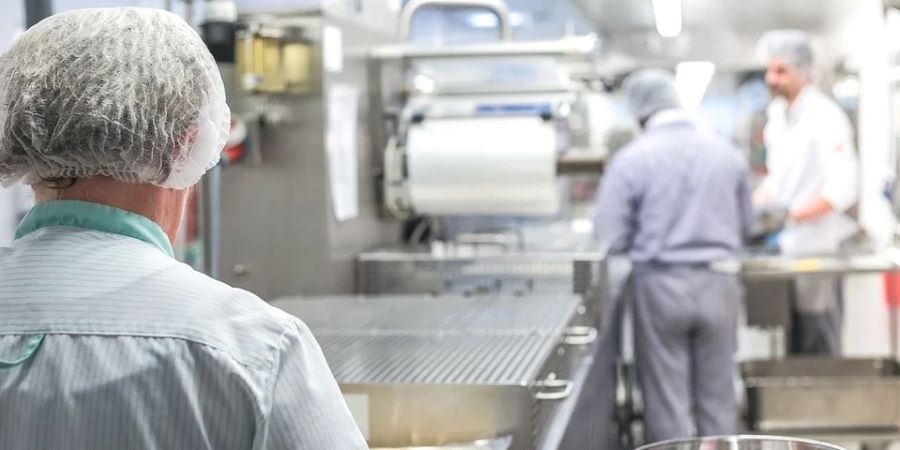
Additional capital spending may be required. Food manufacturers may mechanize production, packing, and distribution processes to curb labour costs if wages continue to increase markedly. However, it takes time for capital spending to improve efficiency, so any such move presents short-term production challenges. Management teams are only likely to commit to additional outlays if they’re convinced wages will keep rising for several years.
Investing in asset bases is a priority for companies such as Nestlé and Danone, given food safety is paramount for any packaged-foods provider. Others have expanded into new geographies via M&A, potentially reducing the need for further investment.