


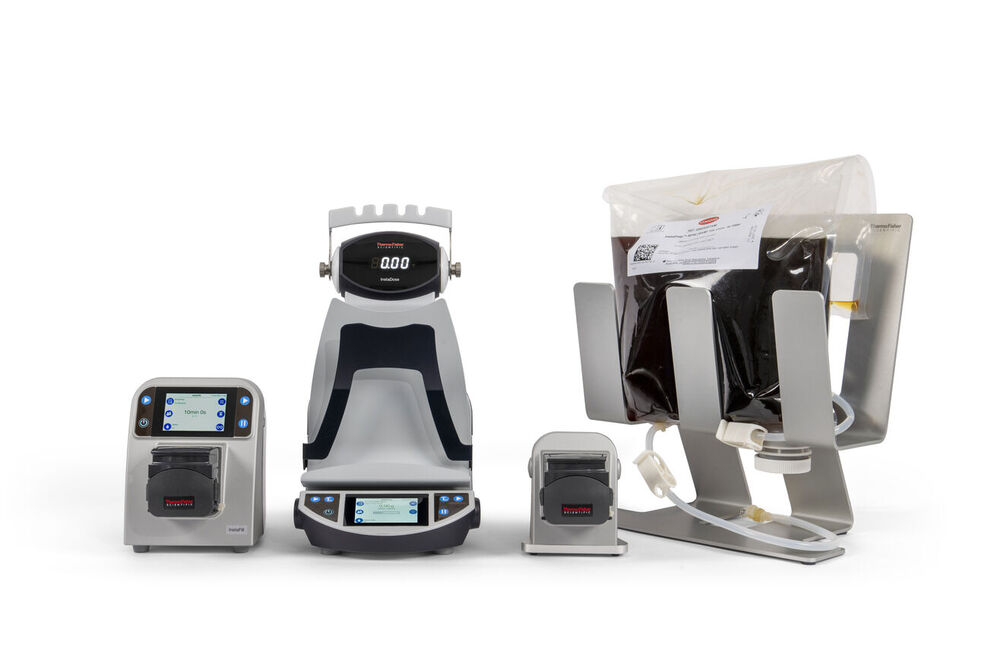
Thermo Fisher Scientific has introduced a cutting-edge integrated workflow for media preparation and sample enrichment, aimed at enhancing productivity in food microbiology laboratories, streamlining pathogen testing, and improving sample traceability.
This innovative Thermo Scientific InstaFlux workflow has been crafted in response to the increasing demands on food testing facilities, which face pressure to manage a higher volume of samples while ensuring accuracy, traceability, and compliance with regulations.
The system, designed for applications in foodborne pathogen and environmental testing, allows laboratories to prepare enrichment media on demand within a 30-minute timeframe. This significantly minimizes the reliance on traditional batch preparation methods that involve autoclaving, bottling, and storage of media.
Thermo Fisher Scientific reports that laboratories implementing this workflow could see reductions in media preparation labor of over 80%, with potential cost savings of more than 35%, as well as reductions in water and energy use by up to 90%, contingent on the specific laboratory setup and operational parameters.
The company asserts that this solution aims to enable food manufacturers and contract testing laboratories to respond more swiftly to routine testing for pathogens, such as Salmonella and Listeria, while fostering consistency in workflows and alleviating operational constraints.
“As food testing demands continue to grow, laboratories need solutions that help them do more with the resources they have,” stated Claribel Purcell, interim president of the microbiology division at Thermo Fisher Scientific.
“Thermo Scientific InstaFlux reflects our commitment to helping customers modernize enrichment workflows through a simpler, on-demand approach that supports productivity, traceability, and long-term operational sustainability.”
In contrast to traditional media preparation methods, which necessitate the preparation and storage of large quantities of enrichment media in advance, the InstaFlux workflow produces media only as required. Thermo Fisher emphasizes that this not only streamlines manual handling and preparation time but also enhances operational flexibility in bustling lab environments.
The workflow incorporates a combination of concentrated sterile media, sterile water supply, automated gravimetric dispensing, and digital traceability into a unified process. Barcode-driven systems and digital audit trails are designed to bolster sample traceability, while LIMS-compatible data integration simplifies record maintenance and quality oversight.
The system supports gravimetric dispensing for sample sizes ranging from 10 g to 125 g, adhering to validated workflows compliant with ISO standards, such as ISO 11133, ISO 6887-1, and ISO 7218. However, laboratories remain responsible for validating their specific testing methodologies.
This launch signifies broader trends within the food sector, where manufacturers are increasingly investing in laboratory automation and digital technologies to boost throughput, mitigate skills shortages, and reinforce trust in food safety initiatives. With testing demands escalating and regulatory expectations shifting, laboratories are seeking solutions that diminish manual tasks while ensuring consistent and repeatable outcomes.
Targeted at high- and mid-throughput food microbiology laboratories, the InstaFlux workflow is particularly beneficial for facilities that regularly utilize buffered peptone water during pathogen enrichment, where preparation time, laboratory space, staffing, and waste management can significantly affect operational efficiency.
Thermo Fisher Scientific will showcase the new workflow at the International Association for Food Protection (IAFP) Conference, scheduled for July 26–29, 2026.