


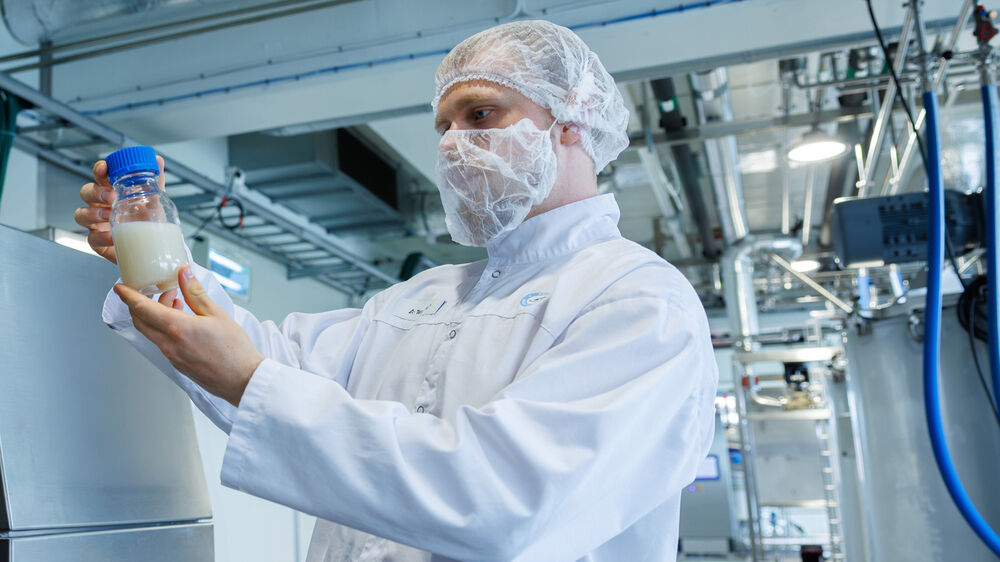
For years, the alternative protein and New Food industries have grappled with a perplexing dilemma. Ingredients such as specialized proteins, fats, and flavors display exceptional results in meticulously controlled pilot laboratory environments. However, once producers attempt to scale these microbes to larger commercial systems, the biological processes often become problematic.
The expansion of precision fermentation — a technique involving microorganisms like yeast, fungi, or bacteria converting raw materials into functional food components — entails navigating complex physical challenges. Variations in oxygen levels, mechanical malfunctions, and contamination frequently jeopardize production runs.
Tetra Pak’s introduction of the Bioreactor RF signifies a pivotal step in addressing these scaling challenges prevalent in the sector. Following its acquisition of Bioreactors.net in December 2023, this marks Tetra Pak’s first dedicated industrial bioreactor designed to target the specific mechanical and economic obstacles that have historically hindered fermentation-derived ingredients from reaching true price competitiveness and desired volume.
This analysis delves into how this innovative solution directly tackles the scaling issues faced by the industry.
- Contamination Prevention through Mechanical Innovation
Traditional industrial bioreactor models typically use a mechanical seal on the shaft that rotates the internal mixer (the agitator), which penetrates the vessel wall. Over lengthy production cycles, these seals can wear down, becoming ideal environments for unwanted bacteria, resulting in severe batch contamination.
In the realm of precision fermentation, a compromised batch can carry significant financial repercussions — with losses amounting to approximately €1,000 for every cubic meter.
The Bioreactor RF circumvents this issue entirely through its patented magnetic agitation system. By eliminating mechanical seals, it effectively protects the internal environment from external contaminants. While standard magnetic mixers often struggle with power and magnetic coupling as vessel sizes increase, Tetra Pak’s innovative design ensures consistent torque and oxygen transfer right up to larger commercial capacities.
- Unified Software and Mechanical Framework
One of the steepest hidden expenses in scaling a food tech venture is the necessity to overhaul operations at each new stage. A pilot facility might operate with one vendor’s software and vessel design, while a co-manufacturer’s industrial setup may differ entirely, requiring complete recalibration of processes.
The Bioreactor RF lineup ranges from 10 liters to 50,000 liters, yet every unit shares the same design framework, control logic, and operational principles.
This uniformity means that a recipe developed at a 10-liter bench scale can be seamlessly transitioned to a 50,000-liter commercial batch with minimal adjustments to software or processes. Such predictability significantly reduces the time needed for operator training and accelerates the path to market readiness.
- Reducing Financial Overheads
Constructing a fermentation facility demands substantial capital investment, and high operational costs have led to the downfall of many promising food tech ventures. Tetra Pak capitalizes on its extensive engineering capabilities to address these financial hurdles in two primary ways:
- Initial Investment: Conventional industrial bioreactors often necessitate custom engineering on-site alongside separate external support structures. The Bioreactor RF features a comprehensive integrated design that is pre-assembled and factory-tested, thereby reducing initial investment costs by up to 8% and streamlining installation.
- Ongoing Operations: With an emphasis on high automation levels—including self-adjusting control systems that automatically correct process deviations without human oversight—producers can decrease ongoing operational expenses by as much as 12%.
Shifting from Biotech to Food Manufacturing
“Industrial fermentation succeeds when performance is repeatable, day after day,” says Rafael Barros, director of the New Food Business Stream at Tetra Pak.
This sentiment underscores the fundamental advantage of this new launch. Until now, precision fermentation has largely existed in the precarious realm of biotechnology. By integrating this technology within a modular, highly automated system and supporting it with a global food-grade service infrastructure, Tetra Pak is reframing precision fermentation as a reliable, standardized food processing operation rather than an erratic scientific endeavor.
For an industry intent on diversifying ingredient sourcing and boosting climate resilience, mitigating the risks associated with scaling is precisely what the market now requires.