


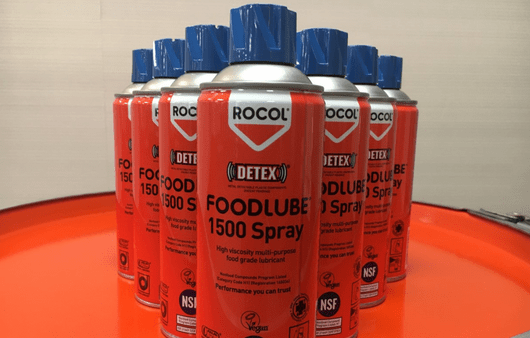
Rocol has achieved a significant milestone by becoming the first company to secure PFAS-free certification for four products in its Foodlube range. This certification, exclusive to NSF, was launched earlier this year and underscores advancements in food safety and environmental accountability.
To determine the safest options, Rocol prioritized testing the most widely used lubricants in its Foodlube line, namely: Foodlube Premier 1, Foodlube Universal 2, Foodlube WD Spray, and Foodlube Chain Spray. The rigorous evaluation included a comprehensive analysis of raw materials, transparency in formulation, and thorough supply chain audits.
Currently, Rocol is collaborating with NSF to assess an additional 25 products in its Foodlube range for the NSF 537 certification, which it aims to obtain later this year.
Understanding PFAS and Its Implications
PFAS, commonly referred to as “forever chemicals,” are prevalent across various industries, including electronics, aerospace, automotive, and construction. These substances can gradually seep into soil, water, and air, raising concerns over environmental persistence and potential health effects. Consequently, individuals may unknowingly ingest them through contaminated food and water.
Contamination of UK Rivers
Recent research from the University of York, in collaboration with environmental charity Fidra, revealed alarmingly high levels of Trifluoroacetic acid (TFA)—a recognized PFAS compound—in UK rivers. The study found TFA present in 98% of the 54 sampled sites, highlighting the severe pollution affecting the UK’s freshwater systems.
Moreover, TFA has been detected in newer wines, with scientists identifying it in 39 recent wines from ten European countries. Rocol’s new certification follows its groundbreaking achievement last April, as it became the first lubricant manufacturer to completely eliminate PFAS from its entire product line, preventing approximately 425 kg of environmental pollution annually. By removing harmful substances from its Foodlube products, Rocol is empowering food manufacturers to comply with increasingly stringent safety regulations, while also minimizing their ecological impact. The Foodlube range additionally boasts ISO 21469 certification and is registered under NSF H1.
A Call to Action in the Industry
Jess Baker, senior scientist at Rocol, who collaborated with NSF on the certification testing, stated: “NSF’s new PFAS certification is a significant step forward for the food industry, and we’re proud to have helped bring it to life. Being the first to receive this certification reflects our commitment to both our customers and the planet, setting a new industry benchmark.” She added, “I would urge others in the industry to follow suit and get their products certified. The NSF team was incredibly supportive throughout the process, and collective action is essential to tackling the issue of forever chemicals.”
Sam Cole, director of food contact evaluations at NSF, emphasized: “NSF’s certification marks are known around the world for representing validated food safety. By achieving this independent certification, Rocol can effectively reduce human exposure to PFAS while demonstrating the food safety and sustainability of its product.”
In summary, Rocol’s initiative serves as an important model for the food and beverage packaging industry, illustrating how companies can pivot towards safer, environmentally-friendly practices while adhering to rigorous safety standards.