


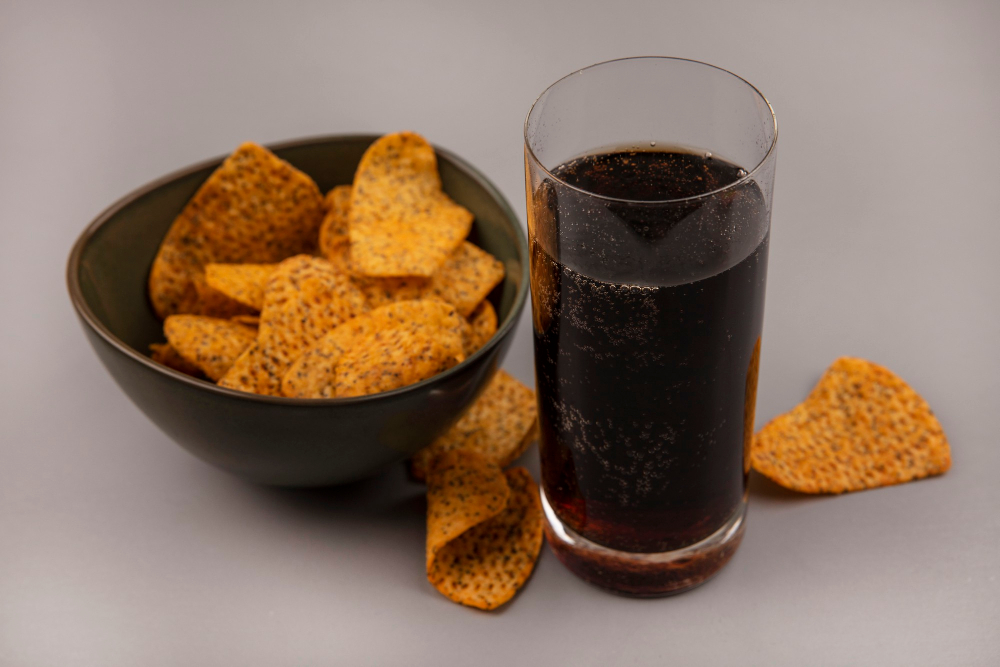
PepsiCo is striving to enhance productivity by integrating its two largest businesses in North America: snacks and beverages.
During the second-quarter results presentation on July 17, chairman and CEO Ramon Laguarta shared insights regarding an anticipated “sequential improvement” in group revenue and market share for the 2025 financial year.
“One North America will modernise our company and improve our agility and marketplace competitiveness over time,” Laguarta stated in his remarks.
The integration plan will encompass Frito-Lay North America along with PepsiCo Beverages North America (PBNA), each projected to generate revenues of $24.8 billion and $27.8 billion, respectively, in 2024.
While the involvement of Quaker Foods North America, which generated $2.7 billion in sales last year, remains uncertain, it seems likely based on Laguarta’s follow-up insights during analyst inquiries.
“In the North American market, we see a new layer of opportunity expected to enhance our cost structure over the next three to four years through this integration.
“Both businesses, each nearing $30 billion, have effectively operated alongside one another. With the recent investments in technology and enhanced data systems, we intend to re-evaluate these businesses for improved efficiency across our value chain.”
Laguarta Highlights Synergies
Details on how this integration will occur—whether PepsiCo will create a single standalone division or maintain separate reporting structures—have yet to be disclosed.
Laguarta emphasized that this integration could “foster efficiency, reduce costs, and simultaneously unfold growth opportunities for the business.”
He highlighted the intention to “synergize” operations to maximize efficiency while serving the same customers and markets with two large businesses.
“This concept is vital for optimizing our value chain tasks at lower costs while enhancing performance,” Laguarta elaborated.
“Our primary focus for the next three to four years will be on capturing value and transitioning to a lower-cost, high-performing business.”
In addition, the PepsiCo leader outlined ongoing initiatives aimed at boosting productivity, which leverage automation, standardization, and data analytics, including AI.
According to Laguarta, the savings generated from these productivity efforts will primarily fund capabilities that accelerate growth and enhance profitability.
Furthermore, PepsiCo’s international division, accounting for 40% of the $91.8 billion projected revenue in 2024, continues to be a key revenue growth driver. The foodservice sector also represents a significant growth opportunity, driven by innovation in both out-of-home and retail sectors.
Laguarta mentioned a planned major initiative in protein beverages, formulated without artificial ingredients, to complement their no-sugar and functional drinks portfolio. Additionally, they aim to introduce permissible snacks featuring simple ingredients from Frito-Lay and Tostitos lines, also free from artificial additives.
The rollout of the protein drinks is projected for late this fiscal year or early next year. Laguarta expressed confidence in the potential for lucrative returns, aligning with the growing consumer trend in the US.
Finance chief Jamie Caulfield noted that PepsiCo anticipates a 70% increase in productivity savings in the latter half compared to the first half of the year, primarily centered on Frito-Lay due to asset optimization and reduction of fixed costs.
“We are diligently addressing every cost lever available, which will drive our incremental productivity in the latter half of the year,” Caulfield asserted.