


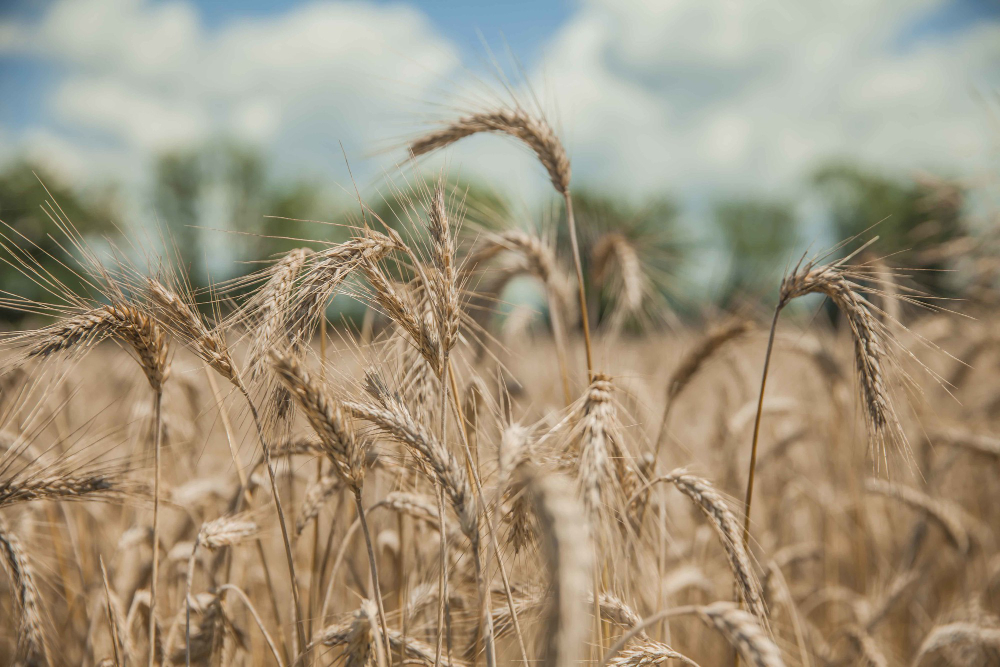
Gail’s, Marks & Spencer and Wildfarmed are among 14 businesses backing a landmark industry commitment to expand regenerative agriculture across their supply chains.
Known as The Regen Compact, the charitable initiative is led by the Circular Bioeconomy Alliance. It brings together major food companies to strengthen farmer support while helping create more resilient farms, landscapes and supply networks. The commitment reflects wider food and beverage industry trends, including growing attention to food manufacturing trends, food distribution trends and food and drink sustainability.
By signing the Compact, participating businesses aim to increase the adoption of regenerative agriculture in line with its five principles. They will also integrate regenerative practices into their operations, act on company-level priorities and measure progress transparently, with farmers playing a central role in the process.
Alongside Gail’s, M&S and Wildfarmed, the signatories include Agrolimen, Aldi Süd, Danone, Lidl GB, Mars, McCain Foods, McDonald’s, Nestlé, Silver Fern Farms, Waitrose and Yeo Valley.
The five principles of The Regen Compact are:
- Farmer-led and nature-based: Recognise farmers as essential to restoring nature and view natural systems as the foundation of regenerative food production.
- Resilient: Improve the ability of landscapes, farmers, communities and businesses to respond to climate-related and other disruptions while protecting food supply.
- Holistic: Use a systems-based approach that respects people, nature and the climate, while applying ecological knowledge and biological processes.
- Context-specific: Adapt practices to local conditions and recognise regenerative agriculture as a continuing process of learning and development.
- Transparent and affordable: Establish a measurable, open and economically accessible framework supported by data and ongoing improvement.
Retailers and food businesses are signing the agreement at executive level. Gail’s co-founder and CEO Tom Molnar signed for the bakery group, while Alex Freudmann, managing director of M&S Food, represented the retailer.
The Compact is intended to help each participating company develop and expand strategies that benefit nature, remain commercially viable and strengthen resilience. Measures may include offering farmers greater long-term certainty through purchasing commitments or funding practical support directly.
Wildfarmed, for instance, joined forces with Lloyds Banking Group earlier this year to launch a fund aimed at accelerating the adoption of regenerative agriculture in the UK.
The initiative also responds to growing concerns around food resilience. The Circular Bioeconomy Alliance said the heatwaves, droughts and wildfires experienced in 2026, together with wet winters and flooding, had caused significant disruption across agricultural regions, farmer livelihoods and food supply chains. According to the organisation, these events point to a fundamental change in climate conditions and underline the food system’s dependence on healthy natural environments.
These pressures are influencing food and drink consumer trends, food and drink marketing and investment in food processing technology, while also shaping conversations around food and drink regulations, food and drink packaging and broader food and drink industry innovation.
“The nature-climate crisis has reached a tipping point that is putting food security at risk,” said Marc Palahí, CEO of the Circular Bioeconomy Alliance.
“The good news is that we have the knowledge to reverse the situation. It requires transforming our food systems around nature, adopting ecological principles as the basis for delivering economic outcomes. Regenerative agriculture is the greatest lever we have to restore harmony between humanity, nature and the environment, reconnecting human health to planetary health.”
The Regen Compact emerged from discussions held during the Circular Bioeconomy Alliance’s roundtable on Regenerative Agri-Food Systems, which took place at Windsor Castle in May 2026.