


The RQA Group’s H1 2025 Product Recall Report presents a thorough analysis of recall data sourced from the Food Standards Agency in the UK, alongside similar agencies in the EU, USA, Canada, Australia, and New Zealand.
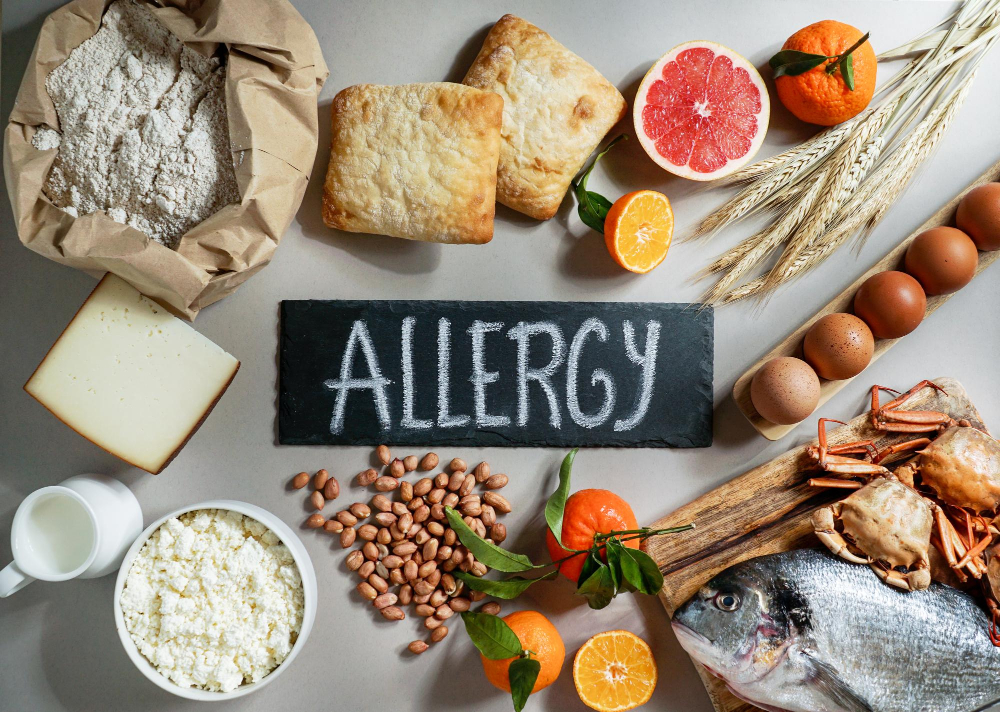
According to RQA Group’s findings, a significant 35% of all alerts issued by the Food Standards Agency this year stemmed from allergen-related labelling errors. This issue, coupled with instances of suspected allergen cross-contamination, firmly established allergens as the primary cause of food recalls in 2025.
Conversely, recalls triggered by foreign body contamination ranked as the second most prevalent cause once again this year. Notably, although microbiological recalls affected a wider variety of products, they did not surpass foreign body contamination in frequency.
Between January and June, nearly 150 recalls were announced, reflecting an upward trend compared to the same period in 2023 and 2024. However, this number remains lower than that observed in 2022 and the four preceding years.
In terms of product categories, ‘prepared dishes’ maintained its lead as the most affected category by recalls. Meanwhile, ‘nuts, seeds, and snacks’ climbed to second place, up from fifth last year.
The report also highlighted a slight increase in ‘food alerts for action’, which focus more on border or regulatory compliance issues than direct food safety hazards.
“This trend resembles how RASFF operates and could point toward a gradual divergence from EU approaches since Brexit, although this is not explicitly confirmed by the Food Standards Agency,” the report noted.
Georgina Stewart, nutrition and regulation adviser at food consultancy The Nutrient Gap, commented on the report’s findings, stating that the prevalence of allergen errors signals that “labelling governance is still the industry’s weakest control.”
“If we’re serious about cutting this number, we have to look at root causes, not just symptoms,” she added. “When I review incidents, the [point of failure] usually clusters around five themes: weak change control between spec, artwork and print; supplier data gaps or substitutions not captured in time; poor line clearance and label/film verification at production start-up; misplaced precautionary allergen labelling replacing real risk assessment; and copy divergence between pack, web and point-of-sale.”
“Each of these is solvable with disciplined processes and a single source of truth.”