


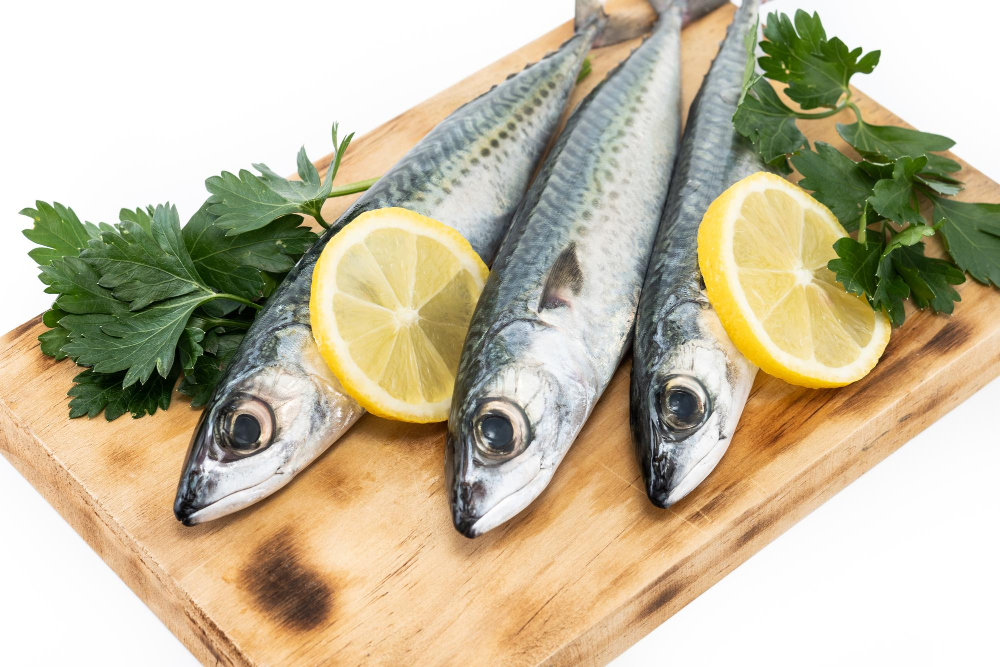
UK supermarket Waitrose has officially suspended its mackerel sourcing due to concerns over overfishing, with no specified timeline for when it may reinstate sourcing.
In September 2025, the International Council for the Exploration of the Sea (ICES) notably recommended a substantial 70% reduction in North-east Atlantic mackerel catches. This significant cut aims to help rebuild the mackerel stock to sustainable levels, ensuring the long-term health of this crucial fish species.
Additionally, in December 2025, four Coastal States reached a consensus to decrease mackerel catches by 48%. As a result of these actions, starting in May 2026, North East Atlantic mackerel will no longer align with Waitrose’s responsible sourcing criteria, which adhere to the Sustainable Seafood Coalition’s (SSC) codes of conduct.
Consequently, Waitrose will suspend the sourcing of fresh, chilled, and frozen mackerel by April 29, 2026. The retailer has assured customers that remaining stock of tinned mackerel will continue to be available until it sells out.
At the Waitrose Food System Transformed Conference on February 26, Jake Pickering, the head of agriculture, aquaculture, and fisheries at Waitrose, emphasized the retailer’s commitment to ethical sourcing. He stated, “By suspending sourcing of mackerel at Waitrose we are reinforcing our ethical and sustainable business commitments, acting to tackle overfishing and protect the long-term health of our oceans and this crucial fish.”
Furthermore, he added, “Our customers trust us to source responsibly, and we are closely monitoring the fishery. We look forward to bringing mackerel back to our shelves once it meets our high sourcing standards.” This forward-looking statement reflects Waitrose’s dedication to sustainability.
In light of this suspension, Waitrose has announced plans to introduce alternative fish options to its product lineup. Specifically, the supermarket will provide new supplies of herring, seabass, sardines, and trout, sourced through existing partnerships with suppliers. This proactive move aims to ensure customers still have access to quality seafood while supporting sustainable fishing practices.