


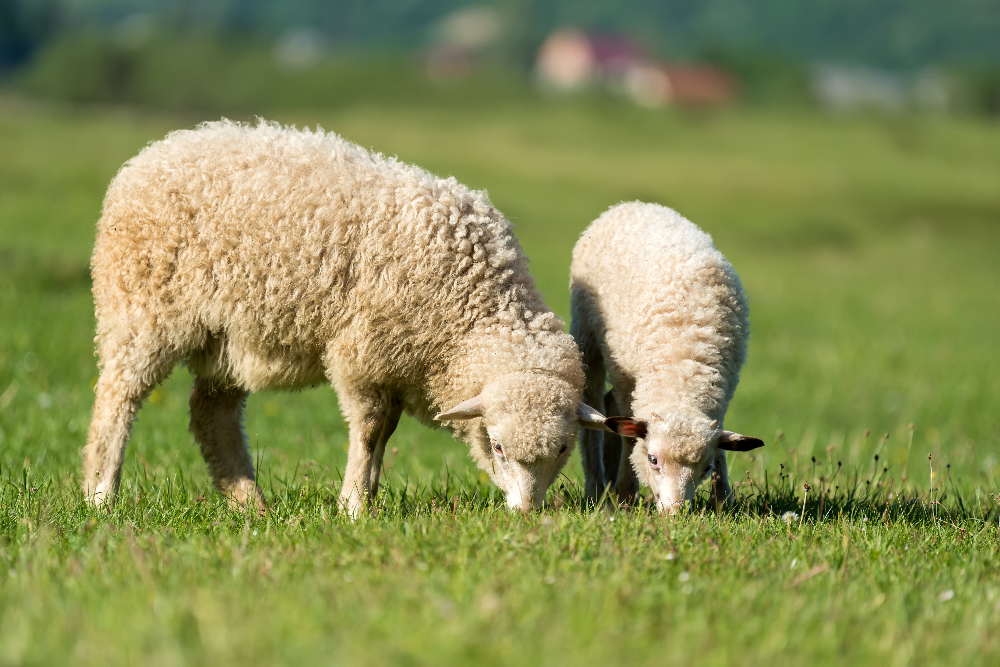
For the first time, bird flu has been identified in a sheep. A case involving H5N1-type bird flu was confirmed in a sheep located in Yorkshire, UK, following positive results from milk testing. This strain of avian influenza has seen a rapid spread over recent months.
In response to this detection, the affected sheep has been culled for further testing, alongside the remaining sheep in the flock, to contain any potential spread.
The UK Health Security Agency (UKHSA) has emphasized that the risk to the general public remains very low. Furthermore, the Food Standards Agency (FSA) reassured the public that poultry and eggs are safe to consume, as the virus is not typically transmitted through food.
Assessing the Risk to Livestock
Dr. Meera Chand, the UKHSA’s lead on emerging infections, states that existing evidence indicates that the spreading avian influenza does not easily transmit to humans. “We have confirmed the detection of influenza of avian origin (H5N1) in a single sheep on a farm in Yorkshire. Strict biosecurity measures have been implemented to prevent the further spread of disease,” said Christine Middlemiss, the UK’s chief veterinary officer.
“While the risk to livestock remains low, I urge all animal owners to ensure scrupulous cleanliness is in place and to report any signs of infection to the Animal Plant Health Agency immediately.” This case highlights that sheep join an extensive list of mammals—such as bears, bats, and tigers—that have contracted the disease.
Expanding Concerns About Bird Flu
Currently, avian influenza cases are surging across both Europe and the US, prompting the culling of hundreds of millions of birds to control the outbreak. The disease notably transitioned from poultry to cows in January, contributing to a significant rise in the price of eggs across the US.
As a precaution, biosecurity measures are being intensified, particularly in the northern regions of England. In late January, the European Food Safety Authority (EFSA) issued a pandemic warning, citing an increased risk of the virus transmitting from birds to humans. In response, researchers are also working on a vaccine.