


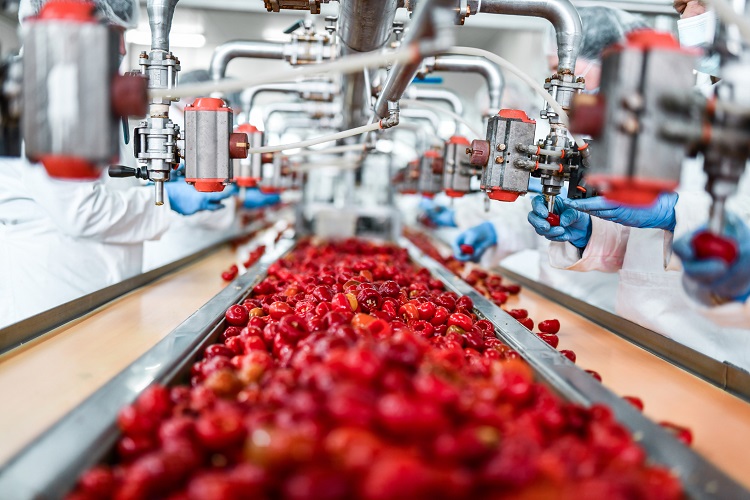
Upcycling, the practice of maximizing resources and reducing waste, has gained significant attention in recent years. Examples of upcycling include using old bread for French toast or salad croutons and transforming surplus cream into butter. Even popular products like Marmite were initially upcycled from discarded yeast. With one-third of the world’s food wasted each year, upcycling has become crucial for both environmental and economic reasons. Converting food production side streams into valuable ingredients can effectively reduce waste and improve profits.
However, one major challenge for upcycling innovators is securing a steady supply of side streams. Since many businesses operate seasonally, entrepreneurs face the difficulty of ensuring a consistent raw material supply throughout the year. Additionally, specializing in the production of one upcycled food ingredient may not be sufficient to sustain a business.
Luca Fichtinger, the founder of Austria-based Kern Tec, which upcycles stone fruit pits into ingredients for the dairy industry, addressed this challenge. Fichtinger emphasized the importance of standardization in upcycling, as each batch of side streams may differ. Kern Tec tackles this issue by creating larger batches of standardized products while using smaller batches from specific regions for specialized applications. This approach allows for flexibility while maintaining quality.
In order to secure a sustainable supply, Kern Tec partners with jam and juice processors to source side streams like apricot, cherry, and plum pits. Building strong relationships and formal contracts are key elements of these partnerships. Long-term supply security also depends on the price the start-up is willing to pay. By maximizing the value of each side stream, Kern Tec ensures that its raw material prices remain competitive.
Another Dutch start-up, revyve, focuses on upcycling brewer’s spent yeast from the beer brewing process. While seasonality is less of an issue in this case, batch variability can still present challenges. The types of yeast received can vary depending on the brewing season, resulting in product inconsistencies. To address this, revyve partners with larger breweries that can handle the scale and provide a more stable supply.
Citrosuco spin-off Evera, on the other hand, does not face supply challenges due to its association with one of the world’s largest orange juice producers. However, the company’s focus is on diversifying its valorization. Evera produces dietary fibers, oil essences, and other ingredients from side streams like orange peels and fibers. While pectin is an obvious product choice, Evera aims to explore a wide range of ingredient opportunities to avoid saturating the market with a single product.
In conclusion, upcycling companies need to overcome the hurdle of securing a consistent supply of side streams. Standardization and strategic partnerships play vital roles in this process. Additionally, diversifying the range of upcycled products is key to long-term success. By continually exploring new ingredient opportunities, upcycling businesses can maximize the value of their resources and contribute to a more sustainable future.