


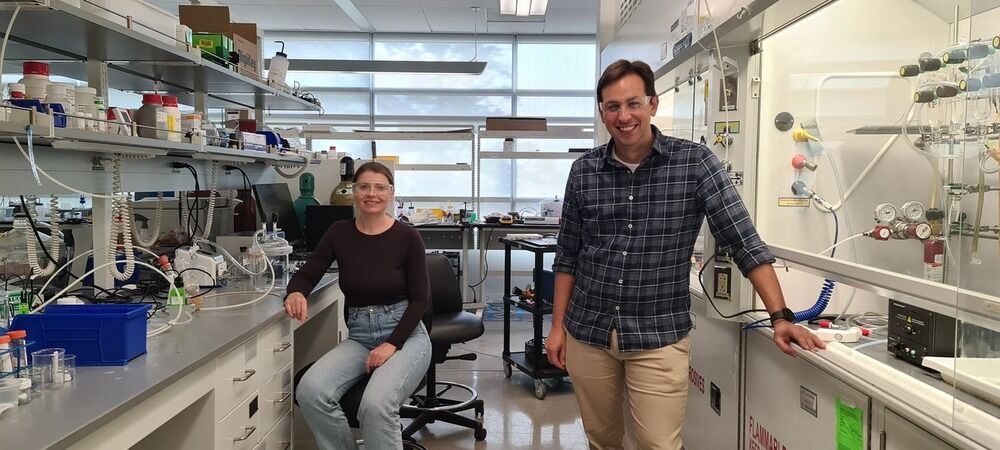
The University of Copenhagen has introduced a novel engineered clay material aimed at prolonging the freshness of fruits and vegetables, a pivotal advancement that could considerably mitigate food waste and pave the way for innovative sustainable food packaging solutions.
Crafted by researchers at the University of Copenhagen, this breakthrough works by capturing ethylene, a naturally occurring ripening hormone emitted by fresh produce. Ethylene contributes to softening, color changes, and decay, meaning even minimal amounts can diminish shelf life during storage, transit, and retail. By sequestering this gas, the clay effectively slows down the ripening process, helping maintain the freshness of produce for an extended period.
Food waste remains a critical environmental and economic issue within the fresh produce supply chain. Fruits and vegetables constitute some of the most significantly wasted food categories worldwide, frequently spoiling before reaching consumers. The engineered clay from the University of Copenhagen presents a cost-effective, scalable, and natural remedy that can seamlessly integrate into current handling practices.
A researcher from the University of Copenhagen involved in the development stated: “Ethylene is a major driver of premature spoilage. By designing a clay that can selectively bind and trap this gas, we can extend the life of fresh produce without chemicals or additives.” Moreover, the team underscores that this material is derived from naturally occurring minerals, ensuring it is safe, stable, and suitable for food-contact applications.
The ethylene-absorbing characteristics of the clay position it as an excellent candidate for active packaging — packaging that not only encloses food but actively safeguards it.
As noted by the University of Copenhagen, “This technology can be incorporated into packaging films, pouches or inserts, providing producers and retailers with a new tool to maintain the freshness of fruits and vegetables.”
Possible applications for this innovative material include:
- Modified-atmosphere packaging (MAP), where the clay aids in sustaining an optimal gas composition
- Absorbent pads or sachets placed within punnets or trays
- Coatings or layers infused directly into packaging materials
- Reusable crates or transport boxes lined with the clay for added protection during distribution
By extending the shelf life of products, this clay could enable retailers to reduce shrinkage, enhance product quality, and diminish the environmental impact tied to wasted produce.
The University of Copenhagen asserts that this technology aligns with the broader industry objectives of minimizing waste, boosting resource efficiency, and fostering sustainable packaging systems. Given its mineral-based composition and lack of reliance on synthetic chemicals, the clay presents a clean-label solution that resonates with consumer preferences for natural products.
The institute is currently seeking commercial partnerships to enhance the material’s scalability and customize it for various produce types and packaging formats.
Additionally, a scientific article detailing the study has been released in the journal Applied Surface Science Advances.