


Princes Group, a UK-based company owned by Japan’s Mitsubishi Corporation, has announced that it has carried out an industry-first human rights impact assessment (HRIA) on its Argentinean pulse supply chain. The HRIA evaluated all aspects of Princes’ Argentinean pulses value chain to identify and respond to human rights impacts. Areas of “positive impacts” were evident in good working conditions and social security for staff working at Princes suppliers. However, the company also identified some “salient risks,” including inaccessibility to grievance mechanisms for farm workers, road safety and vehicle usage at processing sites, the marginalisation of indigenous communities and gender-based violence and harassment. Princes said that it plans to address all these “salient risks” through a robust action plan, with a view to providing progress reports that will be available to the public.
Paul Williams, Group Head of Environmental & Social Sustainability at Princes, confirmed that the company plans to conduct HRIAs annually from 2023 onwards to increase understanding across all its priority supply chains. Williams added that the HRIA would be available on the Princes website to share insights and learnings across the wider food and drink industry, in order to encourage other companies to implement similar practices.
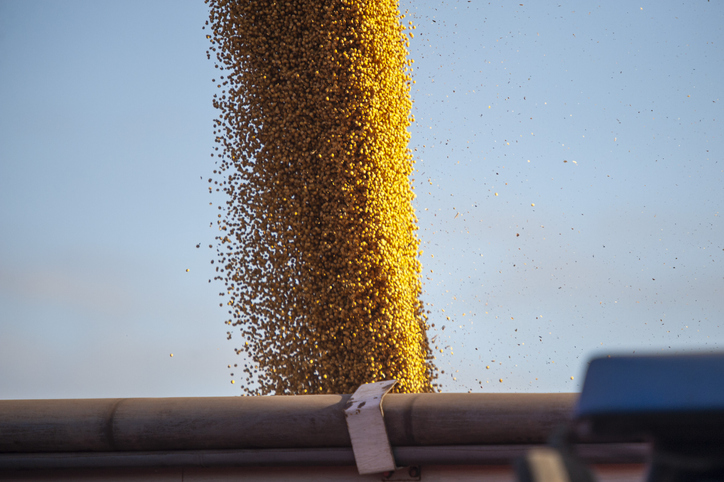
Princes Group sources Argentinean pulses, including chickpeas and cannellini beans, representing approximately 20% of its pulse purchases. The company sources these pulses for a wide range of products under the group’s Napolina brand, as well as under private labels for many UK and continental supermarkets.
In a separate initiative, Princes Group is continuing its efforts to combat illegal labour in Italian agriculture. Migrant workers in Italy sometimes face exploitation from illegal “gangmasters” known as Caporale. Princes has launched a variety of programmes to address this issue, including a pledge that 100% of the tomatoes processed from its Italian supply chain would come from farms with independent ethical accreditation. It also announced in May that for the second year in a row, it has signed pre-harvest tomato supply contracts in southern Italy to ensure fair pricing and financial stability for around 300 Apulian producers in 2023. The company committed to pricing that reflects the actual costs of production, which will deliver a profitable return to growers ahead of the harvest season. Princes said that these contracts aim to ensure farmers can invest in resources and implement best practices to enhance social and environmental sustainability during harvest season.