


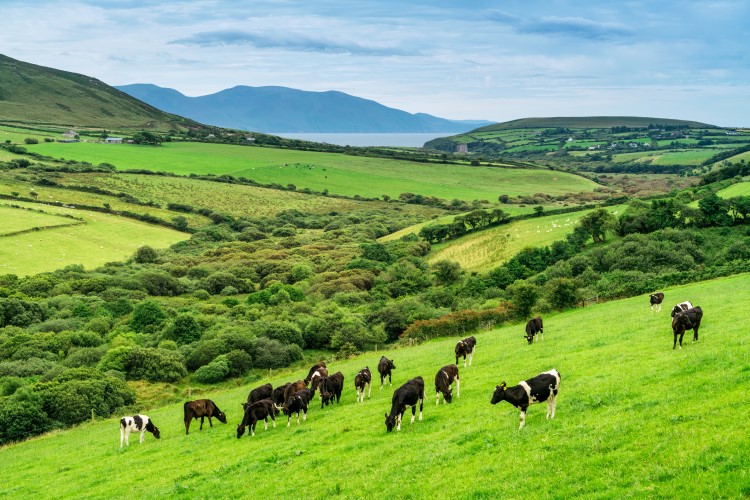
The Irish dairy sector is opposing a proposed dairy exit scheme and voluntary cow culling as part of a wider consultation on reducing farming emissions in Ireland. These efforts aim to achieve the country’s target of a 51% reduction in emissions by 2030. To address greenhouse gas emissions from dairy, the Irish agriculture minister established the Food Vision Dairy Group. This group, comprised of farming and industry organizations, published a report that outlined five key actions, including the introduction of a voluntary exit scheme, breeding low methane-emitting cows, and reducing nitrogen fertilizer use.
The dairy herd in Ireland has increased by 40% from 2012 to 2022, while beef cattle numbers have declined by 17%. However, dairy remains the country’s largest industry, contributing significantly to the economy through exports. Despite this, the government aims to reduce agricultural emissions by 25% by 2030 to fulfill its commitment to achieving net-zero emissions by 2050. This includes addressing cattle emissions such as enteric methane and nitrous oxide from fertilized soils and manure.
One contentious proposal suggests slaughtering up to 180,000 dairy cows, with farmers receiving compensation of €5,000 per head if they participate in the voluntary scheme. While an improvement from the initially suggested 30% reduction in Irish cattle, the dairy industry still views this as excessive. Furthermore, there are concerns about the nitrates derogation maximum limit.
Several measures are being considered to reduce the number of dairy cows in Ireland under the dairy exit scheme. These measures include voluntarily destocking, commitment to a specific reduction number, annual payments per breeding ruminants, and bans on calving and transferring holdings linked to the herd. However, industry stakeholders have raised strong reservations about the scheme, fearing negative consequences for the dairy sector at the farm and processing levels.
The Irish Co-operative Organisation Society (ICOS) has expressed concerns about the scheme and its potential impact on the dairy industry. ICOS believes that reducing milk supply could have serious economic implications for processing co-ops and supports increasing productivity through science-based measures and new technologies.
The Irish Farmers’ Association and Dairy Industry Ireland (DII) have also rejected the dairy exit scheme. The DII has cited a lack of clarity, concerns about the potential increase in agricultural emissions elsewhere, and the need to support retiring farmers and encourage new generations to enter the industry.
Instead of an exit scheme, the voluntary rural youth representative organization Macra is advocating for an on-farm succession scheme. This scheme would financially reward older landowners stepping back from farming while incentivizing successors to implement environmentally-friendly farming measures and reduce the carbon footprint of their farms.
Overall, the Irish dairy sector opposes the proposed dairy exit scheme and voluntary cow culling, advocating for alternative solutions focused on productivity, science-based measures, and supporting the next generation of farmers in implementing sustainable practices.