


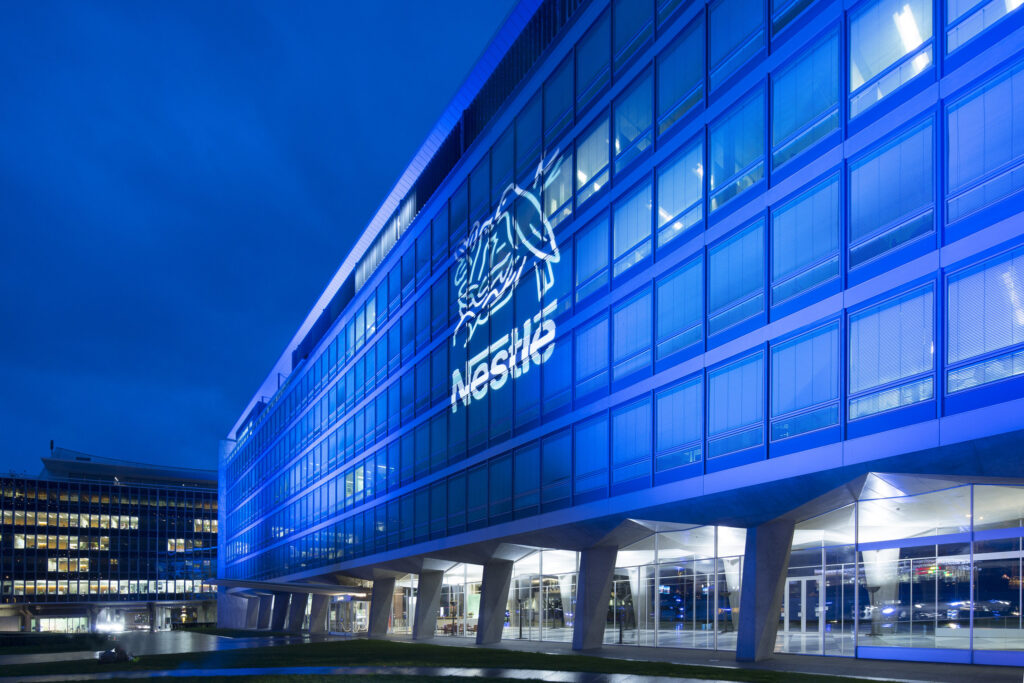
In the food and beverage industry, Nestlé, the world’s largest food maker, has made the decision to stop using carbon offsets and withdraw its previous pledges to make certain brands ‘carbon neutral’.
Instead, Nestlé will now invest in cutting its greenhouse-gas emissions as part of its net zero ambition. A spokesperson for Nestlé explained, “We are moving away from investing in carbon offsets for our brands to invest in programs and practices that help reduce GHG emissions in our own supply-chain and operations, where it makes the most difference to reach our net zero ambition.”
In line with its commitment to reducing emissions, Nestlé has set a target of achieving “net zero greenhouse gas emissions” by 2050. The company aims to reduce its scope 1, 2, and 3 emissions by 20% by 2025 against a 2018 baseline, with a further reduction of 50% by 2030.
Nestlé’s recent annual report indicates a positive trend, as its emissions have fallen below the 2018 baseline, despite generating higher revenues. This report marks a significant milestone since the introduction of Nestlé’s net-zero plans in 2021.
In regard to its KitKat chocolate brand, Nestlé had previously pledged to achieve carbon neutrality by 2025. However, the company will now focus on lowering emissions through different strategies such as ingredient sourcing, manufacturing improvements, and distribution enhancements, rather than relying on carbon offsets.
Nestlé’s decision to move away from the term ‘carbon neutral’ aligns with a recent trend among major consumer brands. UK foodservice chain Leon, which initially claimed to offer a “carbon neutral burger and fries,” faced criticism due to concerns over the credibility of the offsets it utilized. Consequently, Leon has begun phasing out its carbon messaging across its channels.
Similarly, Danone faced a legal challenge over the ‘carbon neutral’ claim made on its Evian spring water bottles. The lawsuit alleges that the term “carbon neutral” may not align with the understanding of a reasonable consumer.
Overall, Nestlé’s shift away from carbon offsets reflects its commitment to reducing greenhouse-gas emissions and emphasizes its focus on implementing sustainable practices within its value chain. By investing in programs and initiatives that directly target emissions reduction, Nestlé aims to achieve its ambitious net zero goals.
Additional reporting from David Burrows.