


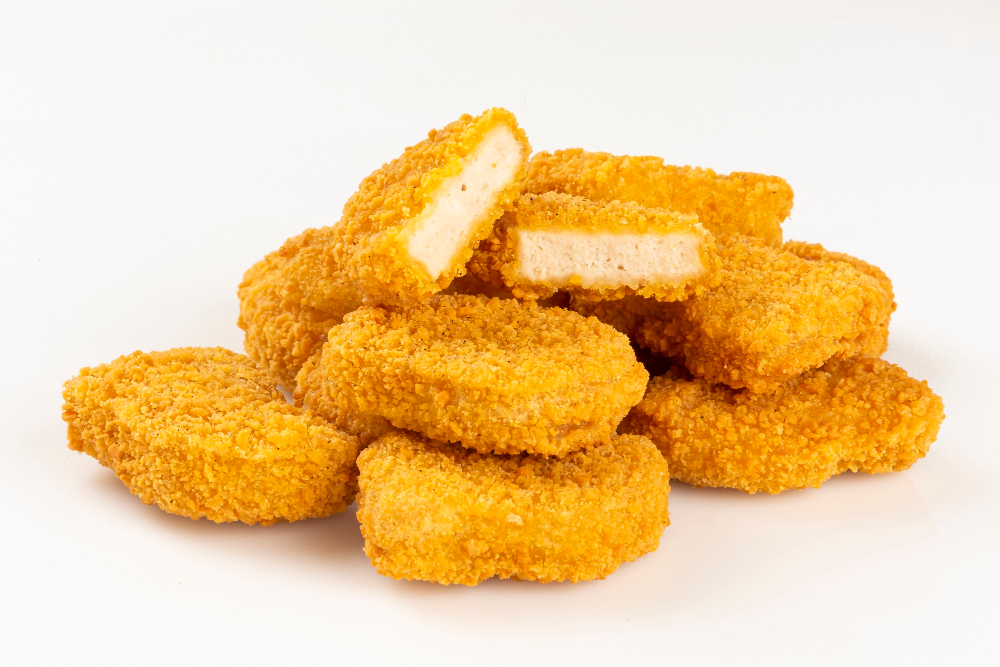
The Food Safety Authority of Ireland (FSAI) is reminding food businesses—manufacturers, wholesalers, and retailers—to ensure robust food safety management systems are in place for producing and supplying chilled and frozen coated poultry products on the Irish market. Additionally, the authority directs manufacturers to provide clear cooking instructions and to label these products appropriately as non-ready-to-eat.
The FSAI further recommends that consumers take the following steps when preparing chilled and frozen coated poultry products:
· Cook thoroughly: Always adhere to the cooking instructions on the packaging. Ensure that food reaches an internal temperature of 75°C or higher at its thickest part.
· Practice good hygiene: Wash hands thoroughly with soap and water before and after handling raw poultry. Clean all food contact surfaces and utensils using hot, soapy water after use.
· Store safely: Maintain products at the appropriate temperature as indicated on the label.
This advisory follows findings from a national microbiological survey* conducted in 2022, which examined 382 chilled and frozen coated poultry products. It revealed the presence of Salmonella Infantis in five items available on the Irish market, including chicken goujons, fillets, and balls, in various states of cooking. Consequently, food safety risk management actions were implemented to mitigate risks to consumer health.


Commenting on the survey findings, Greg Dempsey, Chief Executive of FSAI, emphasized the crucial role of stringent food safety controls and clear consumer guidelines from manufacturers. He stated: “The survey findings underline the importance of manufacturers and food businesses fulfilling their legal food safety responsibilities. It is incumbent upon those sourcing and providing these products to implement checks and balances to minimize contamination risks and protect consumer health. Although Salmonella contamination occurs in only 1.3% of the samples, it remains essential for all food businesses and manufacturers to stay vigilant, adhere to best practices, and ensure safety at every point in the food chain.”
“Manufacturers must ensure clear guidelines are provided on food labels. Previous research shows that many consumers do not strictly follow cooking guidelines or maintain proper hygiene practices when handling chilled and frozen coated poultry products. Consumers play a vital role and should follow cooking instructions, wash their hands diligently before and after handling these products, and store them at the correct temperatures. These frozen and chilled coated poultry products can often be raw, and the same food safety practices should apply as with raw chicken fillets or whole chickens,” Greg Dempsey added.
*Between 2018 and 2020, a multi-country outbreak of Salmonella Enteritidis infections occurred due to consuming frozen breaded poultry products in the EU/EEA and the UK (ECDC-EFSA, 2021). This prompted a national microbiological survey by the FSAI, along with the National Environmental Health Service and official food microbiology laboratories of the HSE, to better understand the microbiological quality of chilled and frozen coated poultry meat preparations.
From September 5 to November 28, 2022, Environmental Health Officers of the HSE collected 382 samples for this national survey from wholesalers, distributors, retailers, and caterers in the food service sector, including 247 samples from retail, 20 from wholesale and distribution, and 32 from food services.