


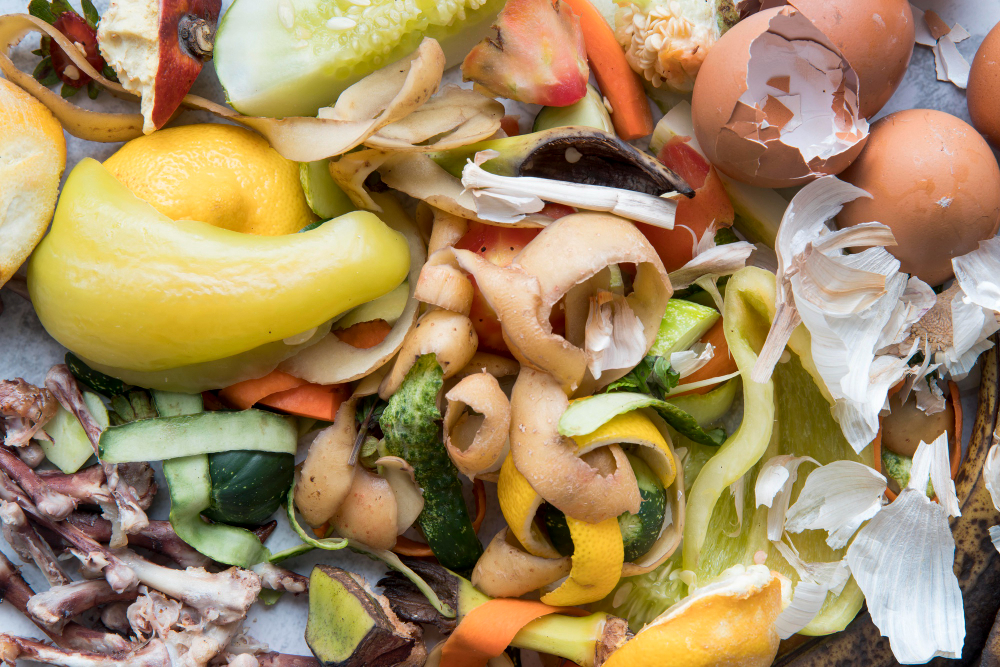
South Holland is investing €1.5 million through its 2027 budget to expand a collaborative, data-led platform that keeps surplus food in use and enables businesses to create value from by-products. The initiative reflects wider food and beverage industry trends focused on resource efficiency, circular supply chains, and food and drink sustainability.
Addressing food loss at the source
Food waste continues to pose a significant structural problem in the Netherlands, despite gradual improvements in recent years. Figures from Wageningen University, referenced by the province, indicate that more than 2 billion kilogrammes of food went to waste nationwide in 2023. That equates to approximately 127 kilogrammes per person.
South Holland is addressing the issue earlier in the supply chain instead of viewing food waste solely as a disposal challenge. The region combines major port and distribution infrastructure with potato farming, greenhouse horticulture, food processing, and wholesale activity. This concentration brings suppliers and potential buyers into close proximity, creating favourable conditions for circular food manufacturing trends and food processing technology.
The Dutch Fresh Port cluster, which covers Barendrecht and Ridderkerk, brings together importers, growers, wholesalers, and processors. Collectively, these businesses produce approximately 55 million kilogrammes of surplus food and by-product material each year.
To help retain the value of these materials, South Holland included €1.5 million in its 2027 budget, adopted on November 11, 2026. The funding will support the expansion of the Food Value Factory around Dutch Fresh Port.
Bringing data, businesses, and demand together
The Food Value Factory will not operate as a conventional standalone processing facility. Instead, it will function as a connected ecosystem that combines physical collection with digital matchmaking. Its purpose is to help entrepreneurs identify commercial and social applications for surplus food streams.
Data tools and artificial intelligence will record available volumes, product quality, and timing, helping match supply with downstream demand. Fruit, vegetables, and processing residues that might previously have been discarded can be redirected into products such as juices, lemonades, alcohol-free beer, soups, purées, animal feed, and compost. Suitable quantities can also support food banks, SharEaty, and neighbourhood restaurants in Rotterdam. This model aligns with emerging food and beverage industry trends, food distribution trends, and food and drink consumer trends centred on reducing waste and improving resource use.
The programme extends South Holland’s work on food waste, which began in 2018. Its partners include the municipalities of Barendrecht, Ridderkerk, and Rotterdam, the Nieuw-Reijerwaard joint arrangement, and organisations operating within the cluster. Seven founding members have joined forces through the DFP Regie Coöperatie. Fruitful Ventures, including Olympic Fruit and the Half Baked living lab, is actively involved, while Rabobank contributes advisory support.
“We waste 2 billion kilos of food in the Netherlands every year. That is not only an enormous shame from a moral and sustainability perspective, but also from an economic one. Countering food waste is therefore logical, necessary, and sensible,” said Robert Tieman, provincial executive for Food, Province of South Holland
Tieman said the investment will focus on building relationships between commercial, public, and knowledge-based organisations rather than constructing new processing infrastructure. “We are not investing in a factory, but in the connection between entrepreneurs, knowledge, data, and markets. Preventing waste is central, not processing it.”
The approach also reflects broader food and drink industry innovation, including developments in food and drink packaging, food and drink marketing, and the application of data across the supply chain. By connecting surplus materials with new markets and community needs, the province aims to turn food loss prevention into an economically viable part of the regional food system while supporting compliance with evolving food and drink regulations.