


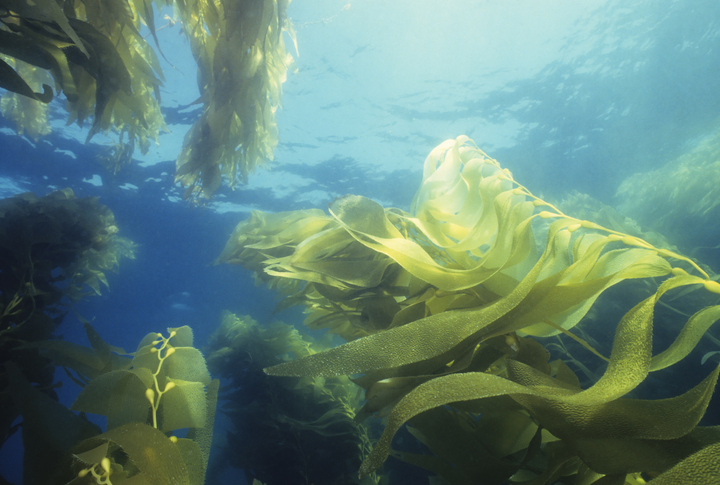
Researchers at the University of Gothenburg have conducted a comprehensive survey along 10,000 kilometers of coast, revealing the presence of twenty unique species of sea lettuce, also known as green macroalgae of the genus Ulva. The wide distribution of sea lettuce in the Baltic Sea region, ranging from the Atlantic waters to the Bay of Bothnia, makes it highly attractive to the expanding aquaculture industry and blue economy. Growing rapidly and reproducing easily, sea lettuce shows great potential for utilization in various biochemical applications and the food industry.
The recent survey also uncovered previously unknown species of sea lettuce in Swedish waters, adding to the existing scientific knowledge of this versatile marine plant. Furthermore, DNA analysis revealed three invasive species that have made their way into the region through different means. The ability to identify and track invasive species is crucial for the sustainable development of the seaweed aquaculture industry, as it prevents the introduction of foreign species that may outcompete native ones, ultimately safeguarding valuable coastal ecosystems.
The study highlights the limitations of traditional species identification methods, which rely solely on the visual characteristics of green algae. The newfound understanding of sea lettuce’s biological diversity enables the development of cultivation methods that prioritize the right species in the right coastal areas. This knowledge can inform the establishment of regulations regarding invasive species in aquaculture to ensure its sustainability.
Additionally, the observations made in this study offer valuable insights for strain selection within the seaweed sector. By carefully choosing strains that exhibit quick growth, growers can target multiple applications within the food and beverage industry. Furthermore, the incorporation of strains with specific nutritional profiles, such as higher protein or amino acid content, can enhance the versatility and desirability of sea lettuce as a food source.
In conclusion, the University of Gothenburg’s research sheds light on the remarkable diversity of sea lettuce in the Baltic Sea region. The findings have significant implications for the cultivation and utilization of this marine plant, aiding in the preservation of unique species, prevention of invasive species, and advancement of the aquaculture industry. For further details, please refer to the study titled ‘Molecular identification of the ubiquitous green algae Ulva reveals high biodiversity, crypticity, and invasive species in the Atlantic-Baltic Sea region’ published in Algal Research.