


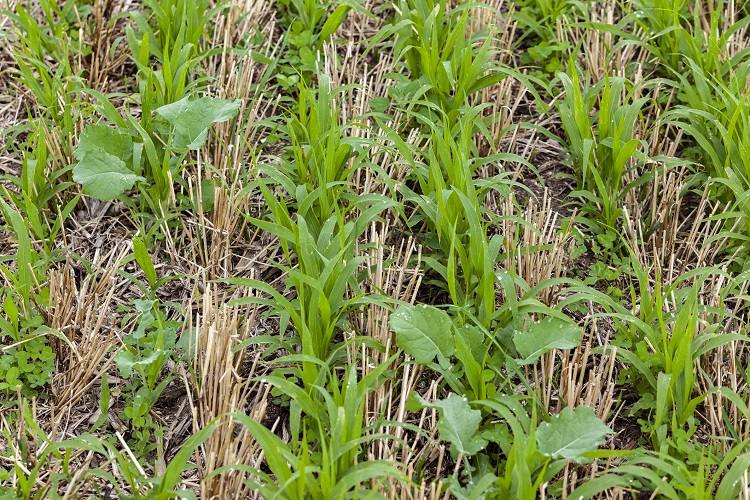
The food and beverage industry is currently focused on “regenerative agriculture,” a term that encompasses practices such as reducing ploughing, implementing cover crops, and increasing plant diversity in the field. However, with no official definition of regenerative agriculture at the EU level, there is a risk of different interpretations and potential misleading claims about environmental sustainability.
To address these concerns, the upcoming Climate Smart Food 2023 digital event, taking place from 19-21 September, will delve into the role of the food industry in driving a transition towards sustainable food sourcing, production, and consumption. Registration for the free-to-attend summit is now open.
The event will feature daily sessions running from 2pm to 5pm CET, with interactive presentations, panel discussions, audience Q&As, fireside chats, and start-up pitches.
Day 1 of the event will focus on the topic, “Can we trust regenerative agriculture to save the day?” Experts will discuss the potential benefits of regenerative agriculture, such as improved soil health, sustainable water use, and increased biodiversity. The absence of an official definition poses challenges and risks of greenwashing. The session will cover important questions, including the need for an EU-level definition, the value of consumers paying more for regenerative agriculture practices, and the significance of local knowledge in implementing these practices.
Speakers for this panel discussion include Marie Ellul-Karamanian, Harmony Program Lead at Mondelēz International; Dr. Vincent Walsh, founder and head of innovation at RegenFarmCo; Theodora Ewer, Regen10 at Food and Land Use Coalition (FOLU); and Eric Heismeyer, VP and chief customer officer, Food Solutions at Bunge.
Day 2 will focus on “Climate Smart Production,” exploring strategies for enhancing food and beverage production while reducing reliance on natural resources and minimizing environmental impact. Topics will include decarbonization, water efficiency, plastic-free packaging, and the potential of the blue economy.
On the final day, the event will address “Climate Smart Consumption” and the challenges of achieving sustainable food systems in the face of consumer behavior. Barriers to climate smart consumption, the impact of brands on reducing food waste, sustainability communication on product packaging, and the acceptance of alternative proteins, including cultivated meat and precision fermentation dairy, will be discussed.
Climate Smart Food 2023 offers an opportunity for industry professionals to explore the latest trends in the food and beverage sector, including manufacturing, processing, distribution, innovation, sustainability, regulations, packaging, marketing, and consumer preferences. The event will take a proactive approach, utilizing interactive sessions and expert speakers to drive the industry’s transition towards a more sustainable future.