


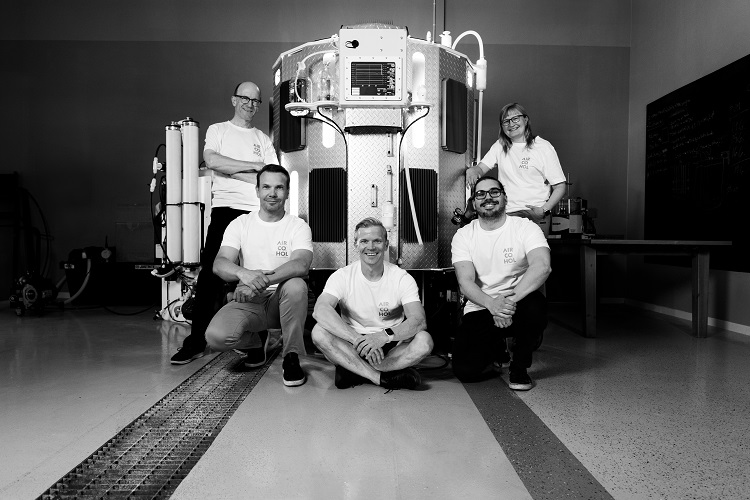
Alcohol production is a carbon-intensive process, relying on the cultivation of raw materials like grains, beets, and potatoes, which contribute to carbon emissions. Additionally, the fermentation process releases a significant amount of pure CO2 into the atmosphere. However, start-up Aircohol has developed a closed carbon loop technology that aims to disconnect alcohol production from agriculture and repurpose the emitted CO2 to create a new type of alcohol, “made from air.” This innovative process can reduce the carbon footprint of alcoholic beverages by 50%.
While some distilleries and breweries have implemented carbon capture devices to reuse CO2 in their production processes, this practice is still relatively uncommon. These establishments often don’t capture 100% of the emitted CO2 due to the lack of current uses or a business case for doing so. This creates a dilemma for alcohol businesses that want to be more sustainable but continue to release CO2 into the atmosphere.
Aircohol offers a solution by developing technology that allows captured CO2 to be used as a raw material in the production of alcohol. They have designed a unique bioreactor and bioprocess to create optimal growth conditions for biomass production. The biomass produced can be reintegrated into the fermentation process of breweries and distilleries, resulting in a sustainable carbon loop where zero CO2 is released into the atmosphere.
Unlike conventional alcohol production that relies on agricultural ingredients, Aircohol’s technology only requires CO2 as an external ingredient. It eliminates the need for barley, wheat, or other raw materials typically used in alcohol production, cutting down on the carbon footprint associated with sourcing and growing these ingredients. The time required for traditional crops to mature is significantly reduced, allowing for a quick “harvest season” of just a few days.
The resulting alcohol produced through Aircohol’s technology is almost completely disconnected from agriculture, except for an undisclosed plant-based ingredient. Breweries and distilleries can incorporate this new alcohol into their products, whether as a standalone spirit or mixed with existing ingredients, to create carbon-reduced beers or unique-flavored spirits. Aircohol’s technology provides new flavor profiles and opportunities for companies to explore.
Aircohol sees itself as a crucial link between carbon capture operations and the alcohol industry, serving as the circular economy element in the process. While they don’t capture carbon or manufacture drinks themselves, they facilitate the connection between the two operations.
This “alcohol from air” technology aligns with the growing demand for more sustainable food and drink options. Consumers are increasingly considering the climate impact when making purchasing decisions, and the alcohol industry is responding accordingly. Aircohol’s strategy offers a greener alternative by using captured CO2 and existing plant-based ingredients that comply with EU regulations.
With recent funding, Aircohol is collaborating with Brukett to scale up the technology and begin producing sustainable beverages for the consumer market. By integrating Aircohol’s technology into existing production processes, breweries and distilleries can reduce their carbon footprint and offer innovative, environmentally friendly drinks.