


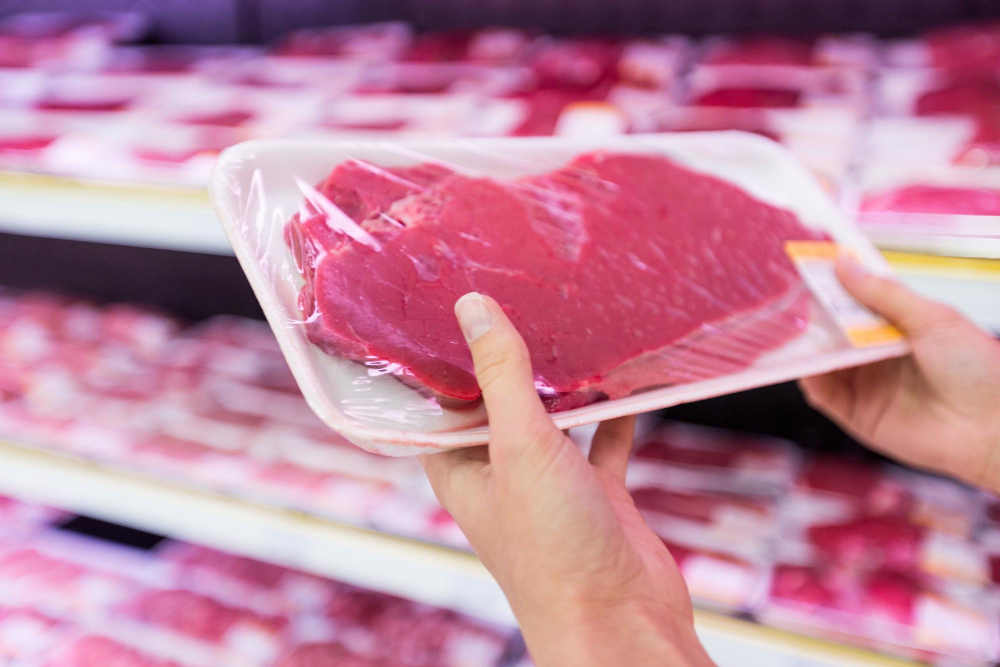
While Cranswick CEO Adam Couch is naturally an advocate for meat, his focus is specifically on the contribution of British meat production to the UK economy and food supply.
The company’s report, ‘Where Great Food Comes From’, makes the case for greater investment in domestic food production during a period of economic and political uncertainty. Couch believes that Britain’s meat sector can help deliver “economic prosperity”, strengthen national food security and support employment across the country.
The report outlines Cranswick’s contribution to the UK, identifies opportunities for expansion and examines the potential consequences of failing to support domestic production. These issues form part of wider food and beverage industry trends, including changing food manufacturing trends, evolving food distribution trends and growing concern about supply resilience.
Founded in East Yorkshire in 1975, Cranswick has developed into one of the UK’s largest food producers. Its operations support approximately 49,900 jobs nationwide.
The company farms around one-fifth of Britain’s pigs, processes more than 32% of British pork and produces over 7% of the country’s chicken. Its activities have contributed £3.3 billion to UK GDP, while generating £850 million in UK tax revenues during the last financial year.
Cranswick is continuing to expand its production base. Since 2020, the company has invested more than £740 million in capital expenditure to upgrade and replace facilities, including a record £163.4 million during FY26.
It has also pledged to direct approximately 50% of operating earnings (EBITDA) towards infrastructure and growth initiatives. These plans include a substantial increase in British chicken production and the creation of more than 2,000 additional jobs.
Explaining the purpose of the report, Couch said: “One of the great strengths of the UK food system is the strong supply of food produced right here in the UK.
“This matters for many reasons, and one of the biggest is the lower environmental impact of sourcing meat here in the UK. We have produced this report to show the role Cranswick plays in this food system, and to contribute to a national discussion about the future of food.”
UK meat and poultry consumption
Food security has remained an important subject for the food sector for many years. However, prolonged economic volatility and geopolitical disruption have made the issue an even greater priority. It now sits alongside food and drink sustainability, food and drink regulations and food and drink consumer trends as a central concern for the industry.
The UK imports more than one-third of the food consumed each year, including approximately half of all pork. Denmark, the Netherlands, Spain and Germany are among the main sources of imported products, highlighting the opportunity for domestic meat producers to increase supply. Cranswick accounts for almost 30% of British pork production, with 96% of that output intended for UK consumers.
Chicken consumption is also substantial. The UK eats approximately 2.4 million tonnes of poultry annually, yet domestic producers are finding it increasingly difficult to keep pace with demand.
British processors handle close to 22 million broiler chickens every week, giving the country a self-sufficiency rate of roughly 70%. Imports therefore make up the remaining 30%. By value, the UK imported more than twice as much chicken last year as it did in 2020.
Greater planning support needed for poultry
Rising demand has led to an increase in planning applications for new poultry facilities. Although such developments frequently encounter local opposition, the report argues that contemporary poultry farm design and construction can deliver environmental improvements through more efficient heating and waste-management systems. Modern facilities can also support higher animal welfare standards.
Sarah Bradbury, CEO of IGD, used the report to warn that production capacity could decline across important areas of UK food and farming. She said: “UK chicken meat production has been an important growth story in domestic agriculture…But this success is now at risk…That is why we have set out a series of urgent actions for government…We also need to fast track the approval process for new poultry sheds”.
According to IGD estimates, removing barriers affecting poultry and horticulture could generate an additional £1.3 billion in annual production value and support 60,000 jobs by 2030. Conversely, failing to act could cost these sectors £900 million in yearly production value and 30,000 jobs over the same period.
The report references IGD’s latest recommendations to the government. They include incorporating a national spatial strategy into the National Planning Policy Framework, enabling authorities to identify suitable areas for additional poultry housing, accelerating approvals for new poultry sheds and providing more resources to the Animal & Plant Health Agency.
The report concludes that without focused policy support, investment, economic value and employment will increasingly move overseas. Alongside developments in food processing technology, food and drink packaging, food and drink marketing and food and drink industry innovation, effective planning policy will be essential to maintaining a resilient domestic food system.