


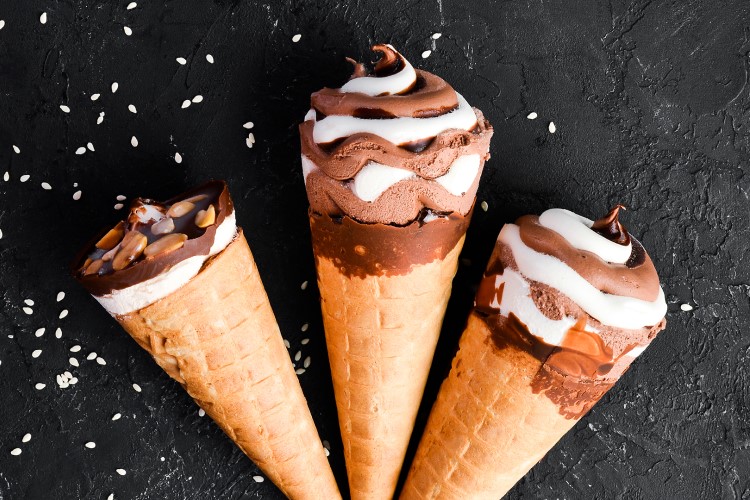
The food and beverage industry is constantly evolving, and one trend that has emerged is the search for cost-effective alternatives to locust bean gum (LBG). The price of LBG has skyrocketed in recent years, prompting manufacturers to explore other options. According to market research firm Markets and Markets, the hydrocolloids market is projected to grow at a CAGR of 5.4% from 2023 to 2028, reaching a value of over $14 billion by the end of the period.
While LBG is prized for its clean-label properties, its limited supply has made it difficult to obtain and has driven up its price. In response, ingredient manufacturers such as Kerry and CP Kelco have developed alternatives that exhibit similar characteristics to LBG. Another option for ice cream makers is to utilize emulsifier/stabilizer blends.
Emulsifier/stabilizer blends have become highly valuable to ice cream manufacturers because they enhance texture, stability, and mouthfeel in frozen treats. These blends offer a more stable pricing alternative to LBG, allowing manufacturers to deliver the sensory experience that consumers desire. Palsgaard, for example, has developed a blend using mono- and diglycerides of fatty acids and guar gum, which can significantly reduce the cost compared to LBG. An added advantage of these blends is their ability to closely match the performance of LBG by improving overrun, preventing ice crystal formation, and controlling viscosity.
Beyond ice cream, emulsifier/stabilizer blends also have the potential to advance plant-based ice cream formulations, improving sensory qualities like creaminess and mouthfeel, as well as melting resistance. Collaborating with manufacturers to understand their formulation goals and challenges, Palsgaard ensures that their solutions meet the requirements of consumers who prioritize recognizable ingredients. Additionally, their blends make it easy to switch ingredients, offering convenience to manufacturers.
As the food and beverage industry continues to explore new frontiers, it is crucial to stay updated on industry trends, manufacturing techniques, and sustainability practices. Adhering to regulations and considering packaging, marketing, and consumer trends are vital elements for success.
By embracing innovative alternatives like emulsifier/stabilizer blends, manufacturers can navigate the challenges posed by the rising costs of ingredients like LBG while maintaining the desired texture, stability, and sensory experience. These solutions provide a pathway to a more cost-effective and sustainable future in the food and beverage industry.