


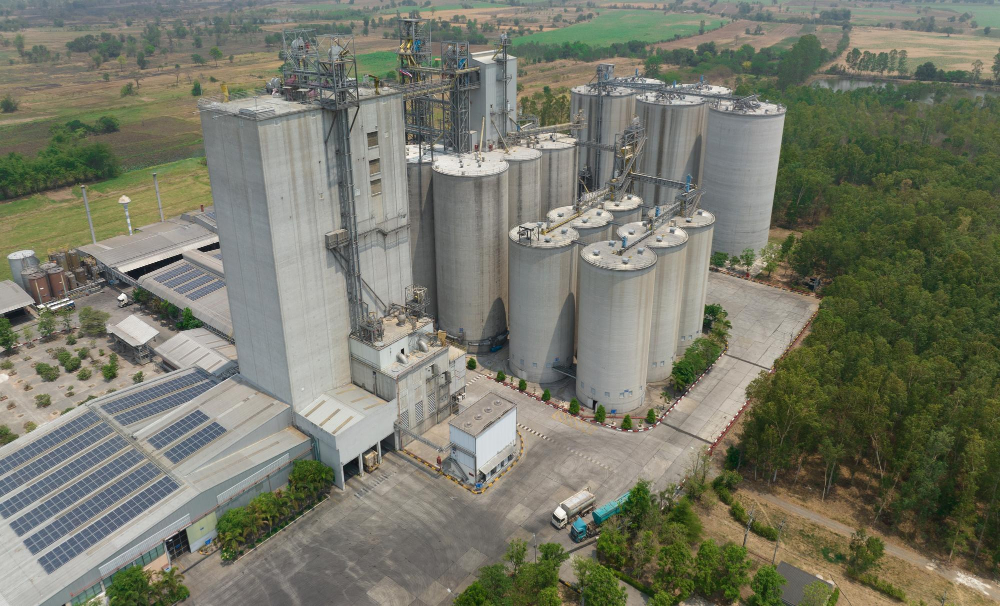
The UK Government has moved to temporarily restart a bioethanol plant in north-east England to secure carbon dioxide (CO₂) supplies for key industries, including food and drink production.
The Wilton facility in Teesside, operated by Ensus, had ceased operations in the autumn and was due to close permanently. However, following government intervention, the company has agreed to resume production for an initial three-month period amid growing concerns over CO₂ availability.
CO₂ plays a critical role across the food and beverage sector, including in livestock processing, cold storage and carbonated drinks. It is also an essential input in fertiliser production.
Supply pressures have intensified following disruption linked to the ongoing conflict in the Middle East. The region is a major exporter of fertiliser, and shipping routes have been affected by Iran’s blockade of the Strait of Hormuz, restricting global supply flows.
According to the Department for Business and Trade, a combination of factors — including reduced European fertiliser output, challenging market conditions, rising gas prices and unplanned maintenance at CO₂ production sites — has increased the risk of shortages in the UK.
“Given the potential impact of a shortage on essential UK sectors, including healthcare, nuclear and food and drink production, the Government has taken the decision to back the restart of activity at Ensus to safeguard critical national infrastructure and maintain a resilient supply of CO₂,” the department said.
Grant Pearson, chairman of Ensus, welcomed the move, noting its importance for both the company and the wider supply chain.
“This agreement of support from the UK Government is excellent news for our employees and those in our extensive supply chain. It strengthens the broader Teesside manufacturing economy and the UK’s resilience in relation to biogenic CO₂ supplies, which are vital to food and drinks companies, as well as being important to hospitals, abattoirs and the nuclear industry,” he said.
Pearson had previously warned that the plant faced closure due to pressures linked to the UK’s trade arrangements with the US and had called for government support.
Business Secretary Peter Kyle confirmed that discussions with Ensus had been ongoing since September, culminating in the agreement to restart production.
The Department for Business and Trade said it will continue to monitor market conditions closely and work with industry stakeholders to manage supply and ensure value for money.
Kyle added: “By restarting this plant we’ve acted swiftly to boost the resilience of our supply chains and protect critical UK sectors like food production, water and healthcare, as well as the jobs and communities that depend on these industries.”