


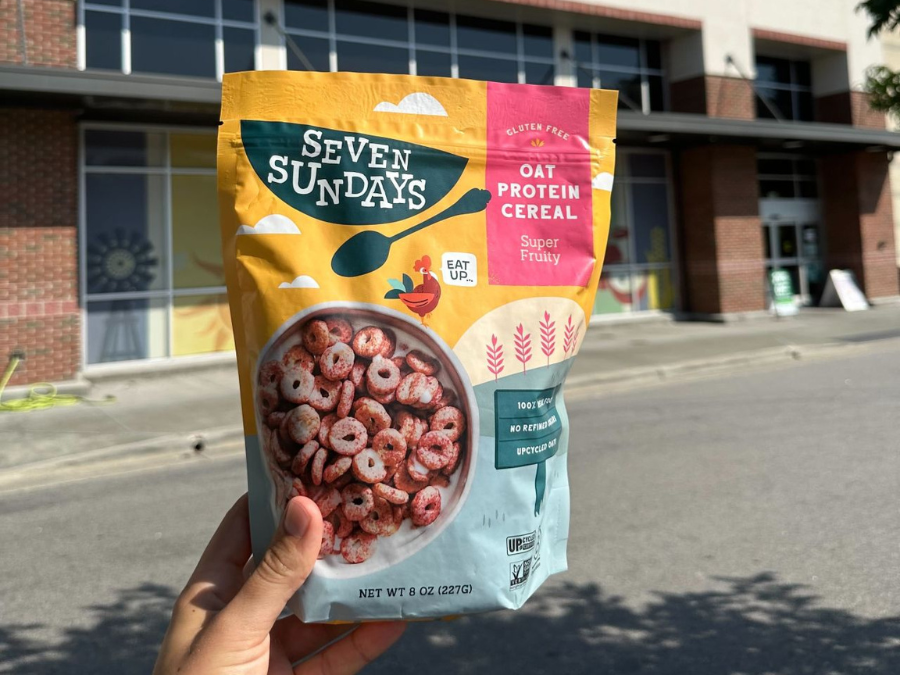
US-based breakfast food brand Seven Sundays has secured $6m in growth capital during its latest round of funding. The company, known for its gluten-free and/or grain-free breakfast cereals, plans to allocate the funds towards both new product development initiatives and environmental sustainability efforts.
The Minneapolis-based brand aims to further expand its supply chain programs, which prioritize upcycling, regenerative agriculture support, and packaging waste reduction.
Leading the recent funding round were individual private investors, as well as follow-on investors including Sidekick Partners, Clover Vitality, and GRT SHT Ventures.
“Since our inception, our mission has been to create cereals that not only taste great, but also offer better nutritional value for individuals and their families,” highlighted Hannah Barnstable, the founder and CEO of B-Corp-certified Seven Sundays.
Katjesgreenfood, the venture-capital arm of German consumer-goods company Katjes Group, was among the early investors in Seven Sundays, acquiring a 15% stake in the company back in 2017.
Earlier this year, Katjesgreenfood also made an undisclosed investment in Mymuesli, a German customisable muesli supplier, acquiring approximately 10% of the company.
Within the food and beverage industry, several key trends have emerged, influencing food manufacturing, processing technology, distribution, innovation, sustainability, regulations, packaging, marketing, and consumer preferences.
In terms of industry trends, there is a growing demand for healthier, natural, and convenient food options. Consumers are becoming increasingly conscious of their dietary choices, leading to a rise in gluten-free, grain-free, and organic products.
Moreover, sustainability has become a crucial focus within the food and drink sector. Companies are actively seeking ways to reduce waste, support regenerative agriculture, and develop packaging solutions that minimize environmental impact. This commitment to sustainability aligns with consumers’ expectations and their desire for ethically sourced and produced products.
Furthermore, food and drink regulations play a vital role in ensuring the safety and quality of products. To ensure compliance, businesses must stay informed and adapt their practices as regulations evolve to meet changing consumer needs.
Additionally, marketing strategies have shifted towards personalized and targeted approaches. Brands leverage data analytics and consumer insights to create engaging campaigns that resonate with their target audience and drive sales.
Overall, the food and beverage industry continues to evolve in response to changing consumer demands and market dynamics. Staying abreast of industry trends and incorporating innovation and sustainability practices are crucial for businesses seeking to thrive in this competitive landscape.