


As the cost of living crisis tightens its grip globally, the frozen and chilled foods industry is rising to the challenge, employing a strategic blend of cost optimization, efficiency improvements, innovative product development, and range expansion. With a projected growth rate of 4.2% over the next five years, this industry presents fertile ground for manufacturers to innovate and diversify, catering to the surging demand for their products while navigating economic obstacles.
The ongoing cost of living crisis has presented a formidable challenge to households worldwide, prompting manufacturers in the frozen and chilled foods industry to adapt swiftly and strategically. In the face of rising costs and evolving consumer preferences, industry players are leveraging a multifaceted approach to maintain their competitive edge while satisfying the growing demand for their products.
Optimizing Production and Supply Chains through Efficiency
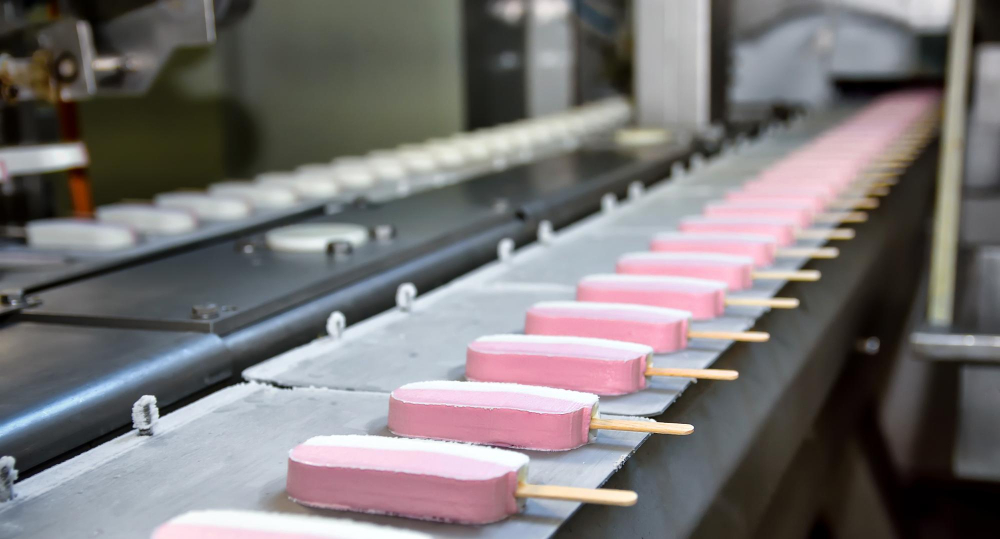
Efficiency has emerged as a cornerstone in managing the increasing demand and cost pressures within the frozen and chilled food industry. Manufacturers are optimizing production processes and supply chains at every level, from sourcing to production, storage, and distribution. This holistic approach encompasses a range of strategies:
- Automation and Advanced Technologies: Implementing automation in production lines significantly improves efficiency. Robotic arms for product handling, automated packaging systems, and AI-powered quality control systems minimize human error, reduce waste, and boost overall output.
- Data-Driven Decision Making: Leveraging data analytics software provides valuable insights into production processes, resource allocation, and consumer demand patterns. This allows manufacturers to optimize production schedules, identify areas for improvement, and make data-driven decisions that enhance efficiency across the supply chain.
- Predictive Maintenance: Implementing predictive maintenance programs helps prevent costly equipment breakdowns and downtime. Sensors and monitoring systems can detect potential issues early on, allowing for proactive maintenance interventions and minimizing disruption to production schedules.
- Logistics Optimization: Optimizing transportation routes, consolidating shipments, and leveraging partnerships with efficient logistics providers can significantly reduce transportation costs and ensure timely product delivery.
- Sustainable Practices: Embracing sustainable practices throughout the supply chain, such as utilizing energy-efficient equipment, minimizing water usage, and reducing packaging waste, not only benefits the environment but also leads to cost savings in the long run.
Nestlé’s investment in the UK frozen food factory exemplifies this commitment to efficiency. The facility boasts cutting-edge automation technology, including robotic systems for product handling and packaging, AI-powered quality control systems, and advanced data analytics software. This comprehensive approach minimizes waste, optimizes production flow, and positions Nestlé as a frontrunner in operational efficiency within the industry.
By prioritizing these strategies, frozen and chilled food manufacturers can navigate the current economic climate effectively, ensuring cost-competitive production, timely product delivery, and ultimately, a more resilient and sustainable supply chain.

Expanding Frozen and Chilled Foods: Value-Driven Product Lines
Recognizing the heightened need for cost-effective alternatives to fresh ingredients, manufacturers are introducing value-driven ranges with extended shelf lives. These offerings cater to consumer budget needs while allowing manufacturers to maintain profitability through economies of scale and minimized wastage. According to the Freedonia Group, the global market for value-added frozen foods is projected to grow by 5.5% by 2025, underpinned by rising demand for affordable, convenient, and nutritious food options.
Health-Conscious and Plant-Based Offerings on the Rise
Driven by the surging consumer trends towards health consciousness and environmental responsibility, the frozen and chilled food industry is witnessing a remarkable surge in the development and introduction of innovative plant-based and health-focused products. This shift caters to a growing segment of consumers actively seeking healthier, more sustainable food options, often motivated by:
- Health Concerns: Consumers are increasingly prioritizing their well-being, seeking products lower in saturated fat, cholesterol, and sodium. Plant-based alternatives often align with these dietary preferences, offering options rich in fiber, vitamins, and minerals.
- Environmental Awareness: Growing concerns about the environmental impact of animal agriculture are driving a significant portion of the population to reduce meat consumption. Plant-based options offer a more sustainable alternative with a lower carbon footprint and reduced water usage.
- Animal Welfare: Ethical considerations regarding animal welfare are influencing consumer choices. Plant-based products provide a cruelty-free alternative that aligns with these values.
This trend is evident in the introduction of a diverse range of innovative products, including:
- Tasteful Meat and Dairy Substitutes: Manufacturers are developing increasingly realistic plant-based meat and dairy alternatives that mimic the taste and texture of their conventional counterparts. Burgers, sausages, nuggets, milk, cheese, and yogurt are just a few examples of the expanding plant-based offerings.
- Low-Fat Chilled Snacks: Consumers are seeking healthier snacking options, and the frozen and chilled food sector is responding with low-fat yogurt parfaits, fruit and vegetable snack packs, and vegetable-based dips and spreads.
- Variety of Plant-Based Meals: Ready-made frozen meals featuring plant-based proteins like lentils, chickpeas, and tofu are gaining popularity, offering convenient and nutritious meal solutions.
Data from Mintel, revealing that 42% of consumers are actively reducing meat consumption, further underscores the significant potential within this market segment. By catering to these evolving consumer preferences, the frozen and chilled food industry is not only unlocking new growth opportunities but also contributing to a more sustainable and health-conscious food landscape.
Embracing Sustainable and Ethically-Sourced Ingredients
Reflecting consumers’ environmental and social consciousness, manufacturers are investing in sustainable and ethically sourced ingredients. Unilever’s pledge to source all its cocoa sustainably by 2025 and its proactive engagement with cocoa farmers to foster improved practices and ensure fair prices demonstrate resilience and adaptability within their supply chain.
Strategic Partnerships for Market Expansion
Many manufacturers are leveraging strategic partnerships to expand their market reach. Collaborations with retailers, restaurants, and online marketplaces diversify distribution channels and extend their consumer base. The strategic alliance between Tyson Foods and Walmart, launching an exclusive range of frozen plant-based products available at Walmart stores across the United States, is a testament to this approach.

In essence, the ongoing economic climate poses unique challenges and opportunities for the frozen and chilled food industry. Through a multifaceted approach encompassing efficiency optimization, product innovation, sustainable practices, strategic partnerships, and technological advancements, manufacturers remain well-positioned to steer through these turbulent times, continuing to address the ever-evolving needs of their customers while maintaining profitability and growth.