


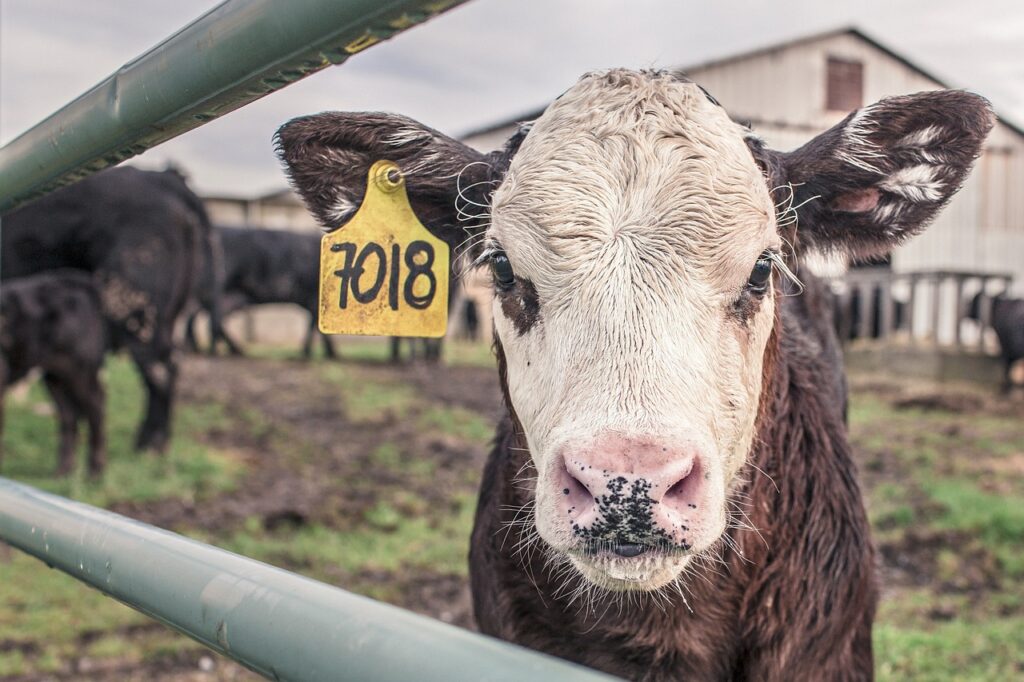
The meat, poultry, and seafood industry is a major contributor to climate change. It is responsible for around 14.5% of global greenhouse gas emissions, more than the entire transportation sector. The industry also uses a significant amount of water and land.
There are a number of ways to make the meat, poultry, and seafood industry more sustainable. One way is to reduce the amount of meat that we eat. Another way is to switch to more sustainable sources of meat, such as grass-fed beef or pasture-raised poultry. We can also make more sustainable choices when we eat meat, such as choosing smaller portions and eating less often.
Vertical Farming
Vertical farming is a method of growing crops indoors, in a controlled environment. This allows farmers to grow crops year-round, regardless of the weather outside. Vertical farming also uses less water and energy than traditional farming methods.
Vertical farming is a promising solution for the meat, poultry, and seafood industry. It can help to reduce the environmental impact of the industry and provide consumers with more sustainable food options.
Automation
Automation is the use of machines to perform tasks that are traditionally done by humans. Automation can help to reduce labor costs and improve efficiency in the meat, poultry, and seafood industry.
For example, robots can be used to debone meat and poultry carcasses. This can help to improve the yield of meat and poultry products. Automation can also be used to pack and ship food products. This can help to reduce the amount of time that food products spend in transit, which can help to reduce food waste.
Sustainable Fishing Practices
Sustainable fishing practices are methods of fishing that do not harm fish populations. Some sustainable fishing practices include:
- Using nets that are designed to catch only certain species of fish.
- Setting limits on the amount of fish that can be caught.
- Releasing fish that are too small or too young to be caught.
- Sustainable fishing practices are important for the health of fish populations and for the sustainability of the fishing industry.
Local, Sustainable Ingredients
Local, sustainable ingredients are ingredients that are grown or raised close to where they are sold. Local, sustainable ingredients have a number of benefits, including:
- They use less energy to transport.
- They support local farmers and businesses.
- They are often fresher and have a better flavor.
By using local, sustainable ingredients, businesses in the meat, poultry, and seafood industry can help to reduce their environmental impact and support their local communities.
Food Waste Reduction
Food waste is a major problem. According to the Food and Agriculture Organization of the United Nations, around one-third of all food produced for human consumption is wasted. Food waste is a major contributor to climate change.
There are a number of ways to reduce food waste. One way is to donate unused food to food banks or charities. Another way is to compost unused food. Composting helps to reduce greenhouse gas emissions and improve soil quality.
By reducing food waste, businesses in the meat, poultry, and seafood industry can help to protect the environment and support their local communities.
Consumer Education
Consumer education is important for the sustainability of the meat, poultry, and seafood industry. Consumers need to be aware of the environmental impact of their food choices. They also need to be aware of sustainable practices that they can support.
Businesses in the meat, poultry, and seafood industry can help to educate consumers about sustainability by providing information on their websites and in their marketing materials. They can also host events and workshops to educate consumers about sustainable food choices.
By working together, businesses in the meat, poultry, and seafood industry, consumers, and policymakers can make the industry more sustainable for future generations.