


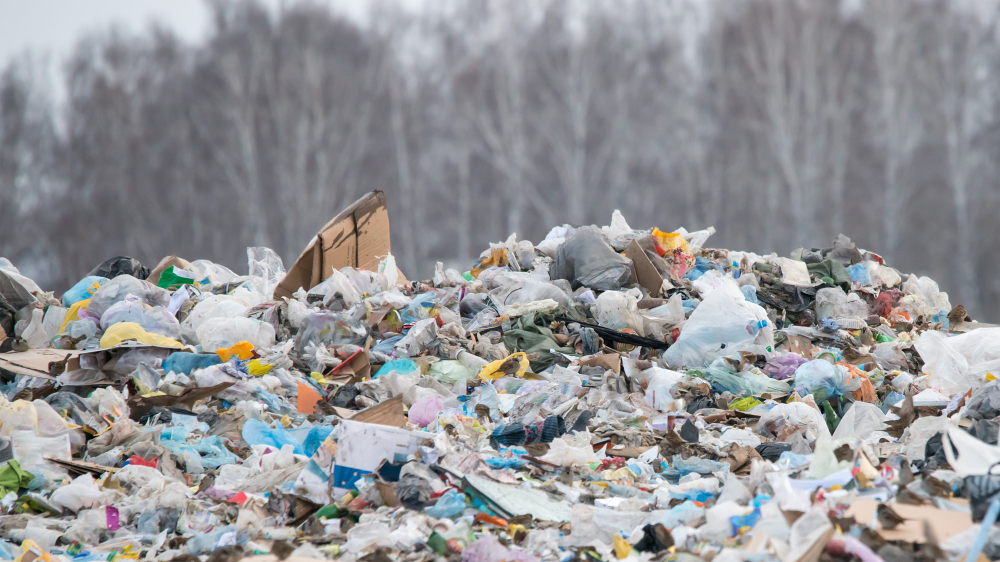
The food packaging industry is experiencing a seismic shift. Consumer pressure for environmentally friendly practices compels businesses to re-evaluate their packaging strategies. Sustainability has become a cornerstone of future success, driving a surge in innovative solutions that minimize waste and environmental impact. This article explores the latest trends and technologies redefining the landscape of sustainable food packaging.
From Landfill to Leadership: The global food packaging market, projected to reach a staggering USD 456.6 billion by 2027, is experiencing a paradigm shift as environmental concerns take center stage. Consumers are increasingly conscious of the environmental footprint associated with packaging, demanding more sustainable practices from businesses. They’re no longer content with packaging that ends up in landfills – they want solutions that contribute to a healthier planet. This shift in consumer behavior presents a unique opportunity for businesses. Embracing sustainable packaging isn’t just the right thing to do, it’s a strategic move that can give companies a competitive edge in the marketplace.


Defining Sustainable Packaging: Sustainable packaging goes beyond simply using recyclable materials. It encompasses the entire lifecycle of packaging, from design and material selection to production, post-consumer behavior, and disposal/recovery. It aims to minimize environmental impact and maximize social and economic benefits while meeting the functional and economic needs of the present without compromising future generations. In essence, it’s about creating packaging that’s good for the product, good for the consumer, and good for the planet.
The Power of Innovation: This shift necessitates a move away from traditional packaging materials and towards innovative solutions. Let’s delve into three major trends spearheading the sustainable packaging revolution:


Recyclable and Compostable Materials: A New Chapter in Packaging
Recyclable and compostable materials are at the forefront of sustainable packaging trends. By prioritizing materials that can be repurposed or composted after use, businesses can significantly reduce reliance on virgin resources and contribute to a cleaner planet.
Recyclable Champions: Paper, cardboard, metal, glass, and some plastics can be reprocessed into new products, minimizing waste generation, conserving resources, and reducing greenhouse gas emissions. Here are some innovative examples that showcase the potential of recyclable materials:
- Lactips: Imagine packaging made from casein, a milk protein! Lactips offers a unique and sustainable alternative, demonstrating the untapped potential of natural resources.
- Cauntec: Turning waste into valuable packaging – Cauntec’s flexible, biodegradable film derived from discarded seafood components promotes waste reduction and upcycling, a win-win for the environment and businesses.
- Tipa: Plant-based power! Tipa’s compostable flexible packaging crafted from bio-based polymers is a testament to the growing use of sustainable materials.
Composting for a Thriving Future: Materials like starch-based bioplastics, cellulose-based biocomposites, and edible films offer a revolutionary alternative. They decompose under controlled conditions into harmless elements like carbon dioxide, water, and biomass. This not only reduces landfill burden and minimizes methane emissions but also improves soil quality, creating a closed-loop system that benefits agriculture.
Minimal Packaging: Less is More
Minimalism champions using the least amount of material necessary to protect the product adequately. This approach reduces resource consumption and waste generation, leading to a smaller carbon footprint. Techniques like:
- Reduced Size and Thickness: Imagine a world where packaging perfectly fits the product, eliminating unnecessary space. Advancements in material science allow for thinner yet stronger packaging, minimizing resource use.
- Eliminating Unnecessary Components: Say goodbye to excessive plastic inserts or blister packs! Minimalist packaging focuses on functionality, removing unnecessary elements that contribute to waste.
- Concentrated or Dehydrated Food Forms: By opting for concentrated or dehydrated food products that require less packaging per serving, businesses can significantly reduce their environmental impact. Imagine smaller and more sustainable packaging for your favorite soup or pasta!
Reusable and Refillable Packaging: A Shift Towards Circularity
Minimalism extends beyond single-use packaging. Reusable and refillable packaging formats are gaining traction, promoting a circular economy. Imagine refilling your favorite sauce bottle at the store instead of discarding a plastic container each time. This not only reduces waste but also encourages responsible consumer behavior.
Easy Disassembly and Separation: For products that do require traditional packaging, designing for easy disassembly or separation of different material components facilitates recycling. This ensures each material component finds its appropriate end-of-life solution, maximizing resource recovery.
Here are some inspiring examples of minimalism in action:
- Ooho: Imagine water pods made from seaweed extract! Ooho’s edible water pods offer a sustainable and convenient way to consume water on-the-go, eliminating plastic waste entirely


Smart Packaging: The Future is Intelligent
Smart packaging solutions take food packaging to the next level. These intelligent systems use active and intelligent packaging technologies to enhance functionality and performance.
Active Packaging: Protecting and Extending Freshness
Active packaging interacts with the food or its environment to extend shelf life, maintain quality, or improve safety. Here are some examples:
- Oxygen Scavengers: Imagine packaging that actively removes excess oxygen, slowing down spoilage and extending the shelf life of fruits and vegetables. This not only reduces food waste but also keeps food fresher for longer, enhancing consumer satisfaction.
- Moisture Control Pads: Certain foods require a specific moisture level to maintain freshness. Active packaging can incorporate moisture control pads that absorb or release moisture as needed, ensuring optimal conditions for the product.
Intelligent Packaging: Communication and Transparency
Intelligent packaging goes beyond product protection. It communicates information about the food or its environment to consumers or supply chain actors. This can include:
- Time-Temperature Indicators: Imagine packaging that visually indicates when food has spoiled. Time-temperature indicators change color or appearance based on temperature fluctuations, empowering consumers to make informed decisions about food safety.
- Radio Frequency Identification (RFID) Tags: These tiny tags embedded in packaging can track food throughout the supply chain, providing valuable insights into storage conditions and ensuring proper handling.
Beyond the Obvious: The Ripple Effect of Sustainable Packaging
The benefits of sustainable packaging extend far beyond environmental impact. By adopting these practices, businesses can unlock a range of advantages:
- Enhanced Brand Reputation: Consumers increasingly value companies that prioritize sustainability. Embracing sustainable packaging demonstrates a commitment to environmental responsibility, boosting brand image and attracting eco-conscious consumers.
- Reduced Operational Costs: Sustainable packaging solutions can lead to cost savings in the long run. Reduced material usage, lower waste disposal fees, and potential tax incentives associated with sustainable practices can contribute to a healthier bottom line.
- Improved Supply Chain Efficiency: Smart packaging technologies can optimize logistics and distribution, minimizing waste and spoilage throughout the supply chain. This translates to increased efficiency and cost savings for businesses.
Collaboration is Key: Building a Sustainable Future Together
The transition to sustainable food packaging requires a collaborative effort across the entire value chain. Businesses need to work with material suppliers, packaging manufacturers, retailers, and consumers to create a comprehensive and effective system. Governments also play a vital role in developing regulations and incentives that promote sustainable practices. By working together, we can create a future where food packaging is not just functional but also environmentally responsible.


The Road Ahead: A Sustainable Future for Food Packaging
The future of sustainable food packaging is brimming with possibilities. From bioplastics derived from algae to self-healing packaging that repairs minor tears, innovation is constantly pushing the boundaries. As consumer demand for sustainable solutions continues to rise, we can expect to see even more groundbreaking advancements in the years to come.
The shift towards sustainable food packaging is not just a trend; it’s a necessity. By embracing these innovative solutions, businesses can secure a competitive edge, contribute to a healthier planet, and ensure a sustainable future for the food industry.