


In an era of food recalls and heightened scrutiny, hygiene is no longer backstage — it’s centre stage. From smart sensors to AI-driven analysis and advanced air filtration, food safety is now automated, traceable, and non-negotiable. Forward-thinking manufacturers are embracing innovation to protect consumers, meet compliance, and future-proof their operations.
In the food and beverage industry, health, safety, and hygiene are no longer just regulatory obligations — they are core pillars of brand integrity, consumer trust, and competitive advantage. The stakes are high, especially in the wake of foodborne illness outbreaks and the increasing scrutiny of global supply chains. Today’s producers must meet traditional hygiene standards while integrating cutting-edge technologies and aligning with evolving legislative frameworks.
Recent incidents, such as the E. coli outbreak in the UK, have underscored the urgency of proactive, system-wide safety protocols. While investigations continue, the spotlight is back on industry-wide vigilance, from raw ingredient sourcing through to final product handling. For manufacturers, this means taking a layered approach: robust employee training, technology-driven controls, enhanced cleaning systems, and equipment designed for hygiene from the ground up.
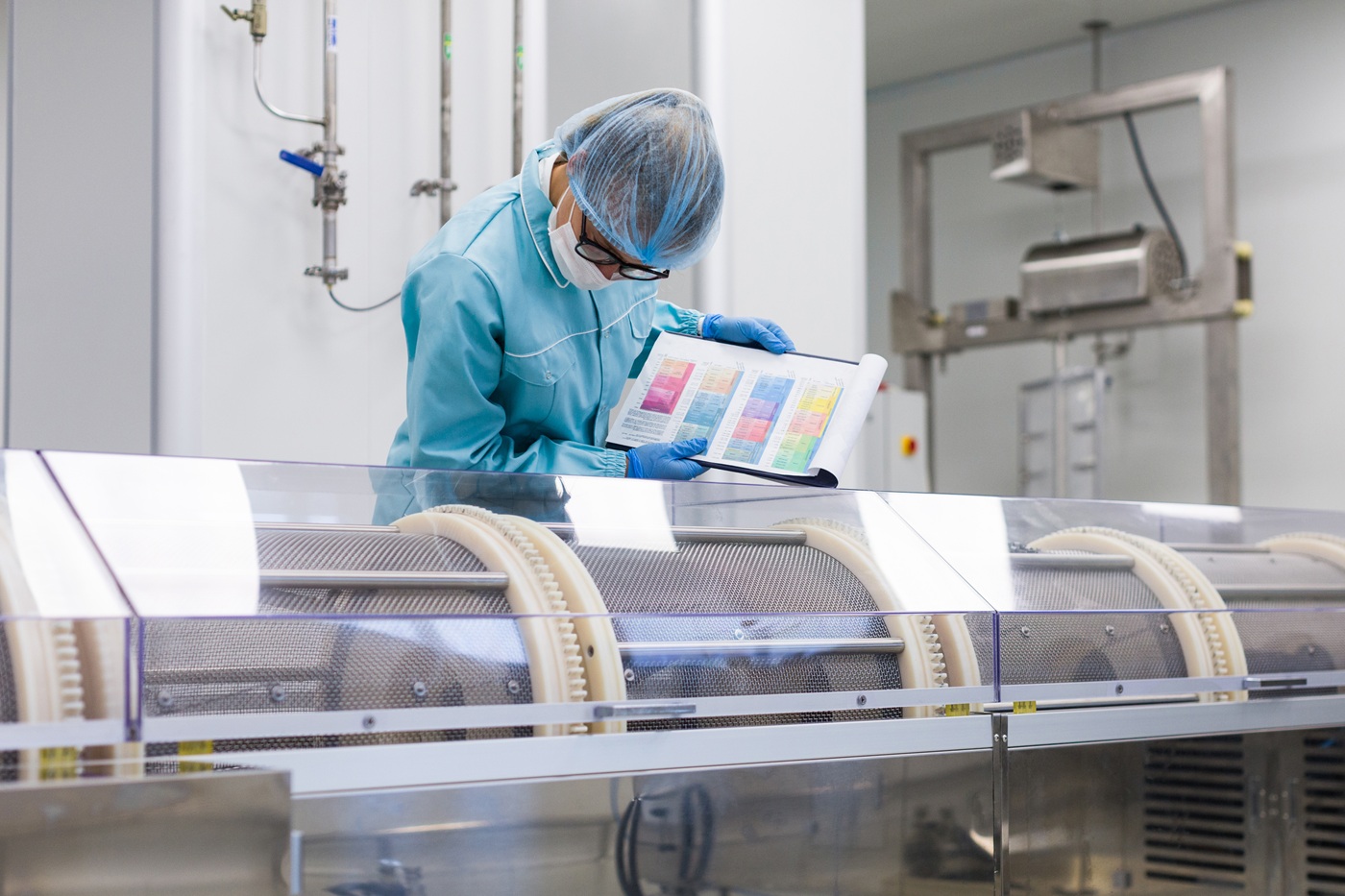

Foundational practices — cleaning, cooking, chilling, and managing cross-contamination — remain vital. However, many businesses are moving beyond surface-level protocols to adopt continuous, tech-supported hygiene strategies. Digital temperature monitoring, automated clean-in-place systems, and UV-C disinfection are no longer emerging tools; they are becoming industry standard. Sensor-driven systems now provide real-time alerts for deviations in temperature, humidity, or microbial load, allowing for immediate action and reduced risk.
One significant gap often overlooked in traditional hygiene strategies is air quality. In facilities that process dry goods, powders, or seasonings, airborne particles present unique challenges. These particles not only contribute to microbial contamination and allergen spread, but also pose respiratory risks to workers and can create combustible dust hazards. Modern facilities are investing in advanced dust extraction systems, point-of-source vacuums, and integrated air filtration units. These systems not only improve workplace safety but are also essential for complying with UK and EU ATEX regulations aimed at explosion prevention.
Complementing air management is the strategic use of pressurised zones and airflow engineering. Positive pressure rooms help prevent ingress of contaminants into high-care areas, while negative pressure rooms contain airborne hazards. When paired with effective HVAC filtration and consistent environmental monitoring, these systems form a crucial line of defence in ensuring sterile production zones.
Food contact equipment is also evolving. Manufacturers now favour stainless steel constructions with seamless welds, sloped surfaces for drainage, and tool-free disassembly for deep cleaning. In high-risk areas, antimicrobial conveyor belting, hygienic drive systems, and quick-release components are now widely adopted. Meanwhile, smart machinery with built-in hygiene intelligence can monitor clean-in-place cycle performance and alert teams when manual intervention is required.
Cooking and cooling remain essential control points. For high-risk proteins like poultry and minced meat, reaching a core temperature of 70°C for at least two minutes is essential. Digital probe thermometers and automated cooking logs not only ensure accuracy but also provide documentation for compliance and audits. Chilling and freezing must also be closely monitored, with 5°C or lower as the ideal storage temperature for chilled foods. Real-time digital monitoring of fridge and freezer units reduces reliance on manual checks and helps ensure consistency.
Cross-contamination, often triggered by poor workflow or equipment sharing, is increasingly being addressed through design and layout. Zoning within facilities, where specific areas are designated for raw, cooked, or allergen-containing products, is now common. Physical barriers, colour-coded equipment, and controlled traffic flows all help prevent bacterial transfer. In higher-care zones, turnstile handwashing systems and automatic PPE dispensers are being used to reinforce compliance before entry.
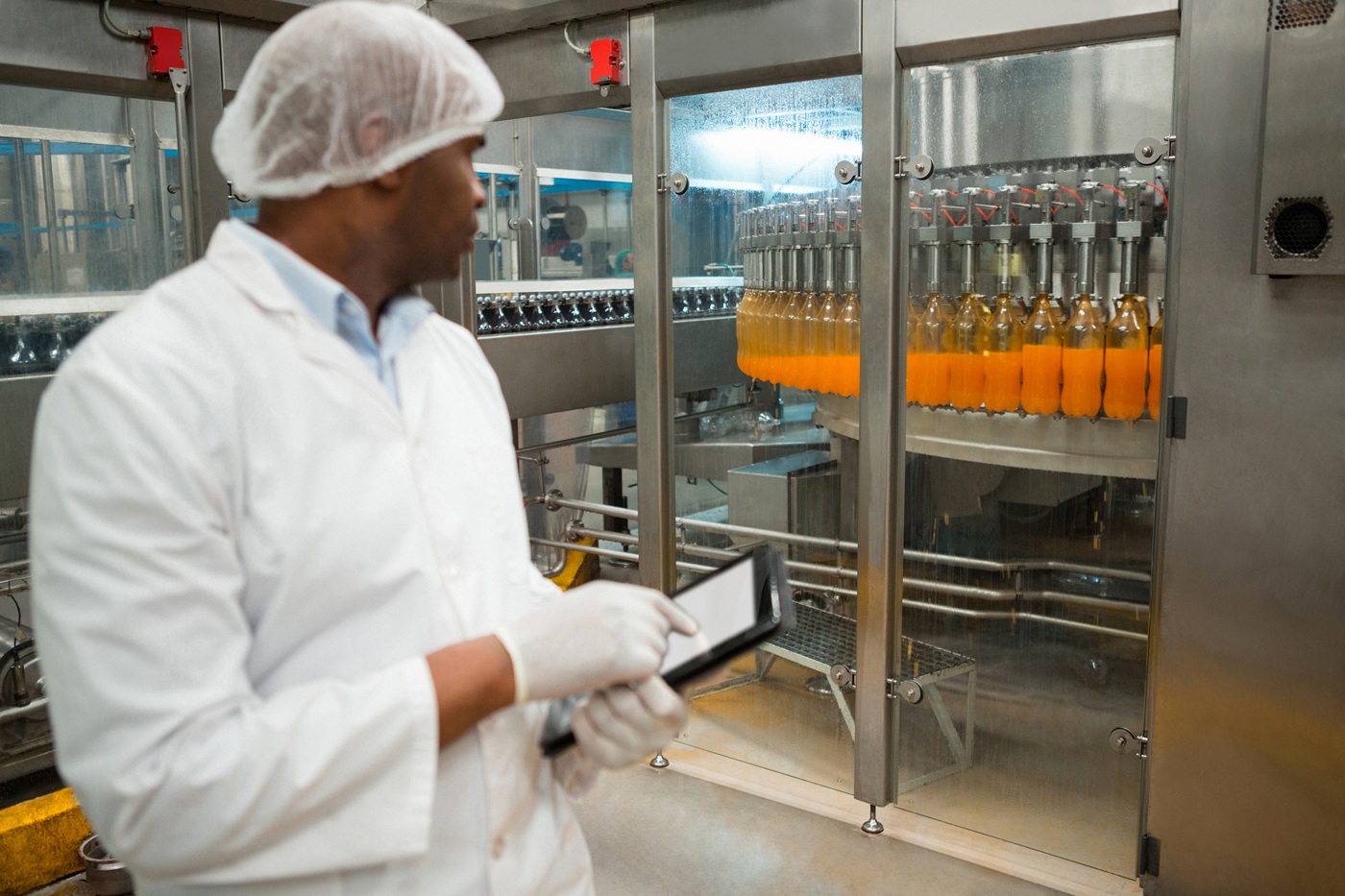
Training remains the cornerstone of safe food production. Employees must understand not just the ‘what’ but the ‘why’ of hygiene — from proper handwashing and PPE use to handling allergenic ingredients responsibly. Ongoing training programmes, supported by visual signage, multilingual materials, and digital modules, improve retention and ensure every staff member becomes a stakeholder in site hygiene.
Evolving legislation also requires careful navigation. In the UK, food producers are adjusting to stricter HFSS regulations, affecting not only formulation but also promotional tactics and store positioning. Environmental legislation, including Extended Producer Responsibility (EPR) and new waste reduction targets, is also influencing hygiene-related decisions — particularly around packaging material use and disposal. Two additional developments in 2025 — the Food Crime Officers (Complaints and Misconduct) Regulations and the Official Controls (Amendment) Regulations — signal a shift towards increased enforcement. The former strengthens protections for whistleblowers and holds food officers accountable, while the latter expands the scope of digital audits and spot inspections, reinforcing the need for traceability and real-time data.
Looking forward, food safety is increasingly data-driven. Cloud-connected monitoring systems, blockchain-enhanced traceability, and AI-based trend analysis are giving producers a predictive edge. Emerging technologies such as Pulsed Electric Field (PEF) systems offer non-thermal microbial control, preserving food quality while ensuring safety. AI-powered hygiene analytics are also being trialled to forecast contamination risks before they materialise, helping reduce product recalls and improve compliance outcomes. Smart airlocks and antimicrobial access doors — integrated with automated personnel tracking — are also becoming standard in high-care environments.
In today’s marketplace, consumers are demanding not just flavour and nutrition, but transparency, traceability, and safety. The manufacturers who respond with investment in smart hygiene systems, air quality controls, staff development, and sustainable practices will lead the industry in both compliance and credibility.
Raising standards in health, safety, and hygiene is no longer optional — it’s a defining aspect of future-ready food production.