


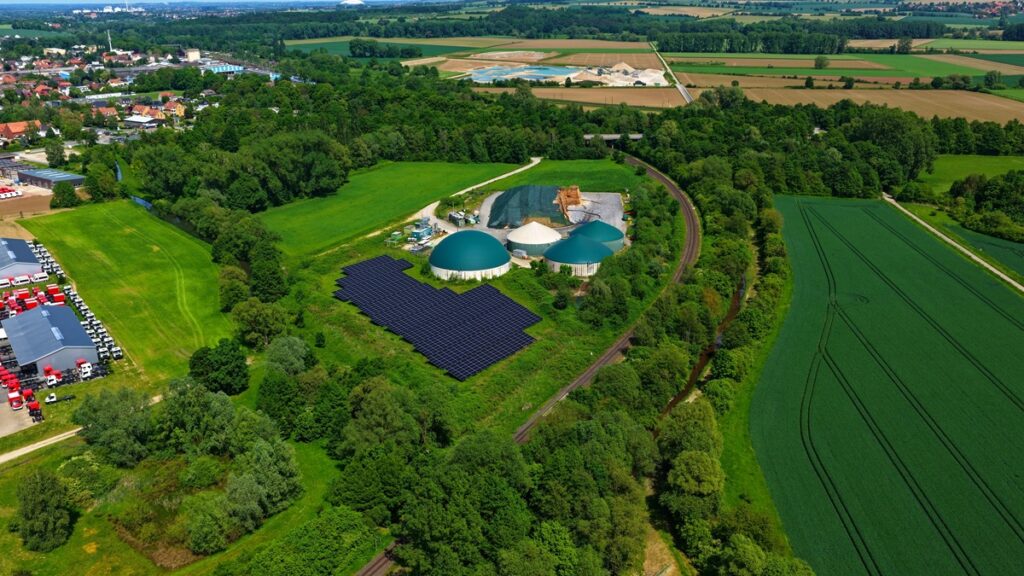
Industry Insight: Sustainability in dairy is no longer a separate environmental programme managed at the edge of the business. It is becoming a measurable discipline spanning milk procurement, process engineering, packaging development, energy management and commercial strategy.
Dairy’s sustainability challenge is moving from headline targets to hard operating decisions. Methane inhibitors, slurry treatment, high-temperature heat pumps, membrane concentration and recyclable packaging can all cut emissions, but only when they also protect yield, quality and margin. As new UK and EU rules reshape reporting, packaging fees and environmental claims, processors must decide where compliance ends and competitive advantage begins.
Some reporting pressures have softened. The EU has significantly narrowed the scope of its Corporate Sustainability Reporting Directive, while the UK’s Sustainability Reporting Standards remain voluntary rather than imposing universal Scope 3 disclosure. Nevertheless, processors should not mistake regulatory simplification for a reduced need for evidence. Retailers, foodservice customers, lenders and corporate buyers are continuing to request dependable farm-level and product-level data.
At the same time, packaging decisions are acquiring a direct financial consequence. UK Extended Producer Responsibility fees will increasingly reward packaging assessed as recyclable and penalise material structures that receive a red rating. EU packaging, deforestation and green-claims rules are also moving into their implementation phases.
The commercial opportunity lies in joining these requirements together. A dairy business that measures farm emissions, recovers process heat, reduces the amount of water entering its evaporators, improves packaging recyclability and substantiates its claims is not simply becoming greener. It is reducing exposure to energy prices, packaging fees, disrupted trade and lost customer contracts.
A year ago, the dairy sector’s environmental transition was increasingly being presented as an opportunity to improve profitability rather than simply another cost of compliance. That argument still stands, but the market has since become considerably more technical.
General commitments to “sustainable dairy” are giving way to specific questions. How accurately can a processor measure emissions associated with purchased milk? Will a methane inhibitor deliver enough reduction to justify its cost? Which waste-heat streams are suitable for an industrial heat pump? Can a cheese film become more recyclable without shortening shelf life? Will an environmental claim survive regulatory scrutiny?
For senior decision-makers, the next stage will be less about announcing ambitions and more about proving that investments improve cost per litre, cost per tonne, operational resilience or market access.
Measure It, Manage It: Farm Data Becomes a Commercial Asset
One of the most important corrections to the current sustainability narrative concerns corporate reporting.
The UK Sustainability Reporting Standards have been published for voluntary use. Proposed Financial Conduct Authority requirements would make elements of the climate standard mandatory for certain listed businesses from January 2027, but Scope 3 emissions would initially operate under a “comply or explain” approach. They are not yet universally mandatory for large UK dairy processors.
The EU has also narrowed the scope of the Corporate Sustainability Reporting Directive. The revised threshold covers companies with more than 1,000 employees and annual net turnover above €450 million, removing many medium-sized processors from the mandatory regime.
That easing should reduce unnecessary administration, but it does not remove the commercial need for Scope 3 information. Dairy-specific greenhouse gas guidance identifies enteric fermentation, feed production and manure management as the sector’s largest emissions sources. For processors purchasing raw milk, these generally sit within Scope 3 purchased goods and services, making supplier information central to any credible carbon calculation.
Food and beverage processors setting Science Based Targets initiative goals are also required to establish Forest, Land and Agriculture targets. That brings land-use change, feed sourcing and on-farm emissions into a processor’s target-setting framework even where statutory reporting is limited.
The operational challenge is avoiding a data system that overwhelms farmers while producing information too inconsistent to support decisions. Processors need clearly defined boundaries, common calculation methods and verification procedures. Milk yield, herd size, feed composition, fertiliser use, manure storage and energy consumption must be collected in a form that is comparable across suppliers.
The best systems do more than create an annual carbon figure. They identify farms where changes in feed conversion, herd health, replacement rates, slurry management or milk yield could reduce both emissions and production cost.

Cut Methane, Count the Return: 3-NOP Moves Beyond the Headline
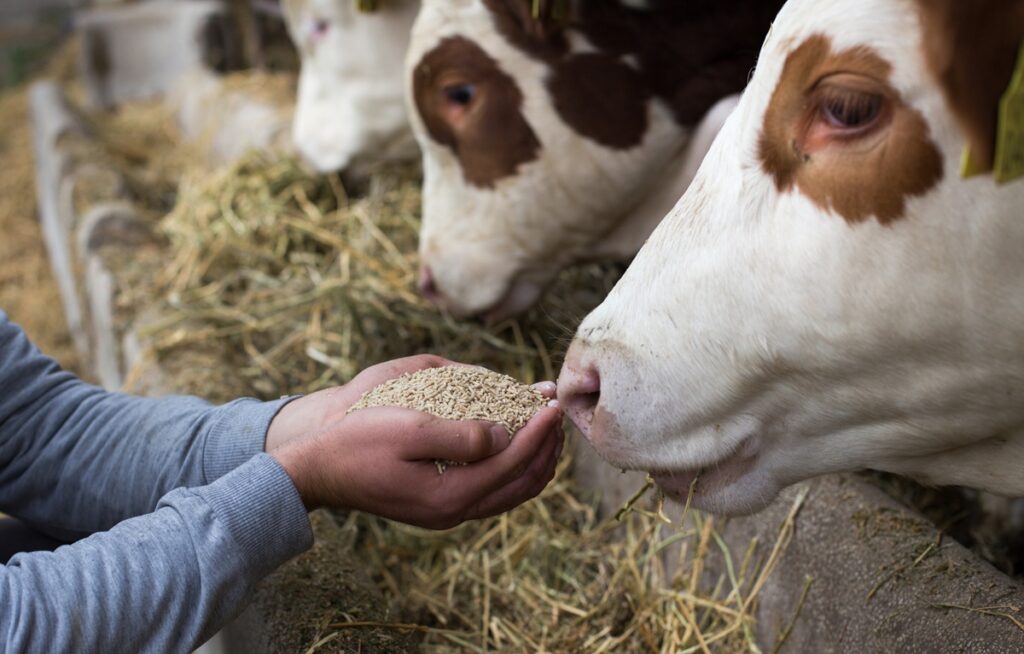
Enteric methane remains one of dairy’s most visible environmental challenges, and feed additives based on 3-nitrooxypropanol, commonly known as 3-NOP or Bovaer, have moved from research trials into commercial discussion.
Rather than altering the animal or the milk, 3-NOP suppresses an enzyme involved in methane formation within the rumen. A recent meta-analysis of lactating dairy cow studies reported an average reduction in methane production of approximately 28 per cent, although results varied according to dose, diet composition and production system. UK food and feed safety assessments have also concluded that the additive can be effective and safe when used within specified conditions.
However, methane reduction alone does not prove a commercial return.
The same meta-analysis found small average reductions in dry matter intake and milk yield, although milk fat and protein yields were not significantly changed. Under the feed and milk price assumptions used in the research, income over feed costs decreased by an average of $0.35 per cow per day. That result does not mean the technology is uneconomic in every herd, but it demonstrates why the value of carbon reductions, customer incentives and supply contracts must be included in the investment case.
Processors introducing methane programmes should therefore agree in advance who pays for the additive, how results will be measured and whether participating farmers will receive a premium. A reduction that helps a brand achieve a climate target has commercial value, even when that value does not appear directly in the farm’s milk cheque.
Delivery also matters. 3-NOP is most easily incorporated consistently through a total mixed ration, making deployment more straightforward in housed systems than in extensively grazed herds. Feed formulation, intake consistency, milk response and animal health should all be monitored rather than relying on a theoretical reduction factor.
For US-facing businesses, terminology also requires care. The US Food and Drug Administration has stated that it has no questions at present regarding Bovaer and intends to exercise enforcement discretion under specified conditions. That position is not identical to formal drug approval, a distinction that exporters and marketers should understand.
Treat Slurry, Capture Value: Manure Management Joins the Energy Strategy
Methane mitigation cannot stop at the feed barrier. Once manure enters storage, biological activity continues to generate methane, ammonia and other gases while valuable nutrients can be lost.
Covering stores, shortening storage periods, separating solids, acidification, controlled aeration and slurry additives can all reduce emissions. Research conducted by Teagasc has reported methane reductions exceeding 80 per cent from some slurry-treatment approaches, although outcomes depend heavily on storage conditions, temperature, treatment method and correct operation.
These systems must be assessed as engineering projects rather than simple environmental purchases. Acid dosing requires corrosion-resistant equipment, accurate pH control and strict operator protection. Biological and micro-aeration systems need dependable mixing, dosing and monitoring. Slurry gases also remain hazardous regardless of a technology’s environmental claims.
The financial case can extend beyond carbon. Retaining nitrogen reduces the requirement for purchased fertiliser, while separated solids may improve handling and transport. Treated slurry can also become a more consistent anaerobic digestion feedstock.
Where scale and location allow, anaerobic digestion can turn manure, food residues and dairy by-products into biogas, biomethane, electricity or process heat. Digestate can then replace part of the farm’s mineral fertiliser requirement.
The strongest projects connect farm and factory. Whey residues, rejected product and other suitable organic streams may supplement farm or centralised digesters, while biomethane or recovered heat can support processing operations. The economic calculation should include avoided waste-disposal charges, energy generation, fertiliser value, grid connection costs and long-term feedstock availability.
Recover Heat, Retire Steam: Dairy Plants Electrify the Thermal Load
On-farm emissions may dominate the total dairy footprint, but processing plants control a large concentration of energy, water and capital expenditure.
Pasteurisation, cleaning, evaporation, drying, refrigeration and hot-water production frequently operate as separate utility demands. In reality, they form a connected thermal system. Refrigeration and compressed-air systems reject heat while boilers simultaneously burn fuel to create hot water or steam.
Industrial heat pumps allow processors to upgrade low-temperature waste heat into useful process heat. Large-scale systems are now established at temperatures of up to approximately 150°C, making the technology relevant to a growing range of food and beverage applications. The principal barriers are increasingly electricity-to-gas price ratios, electrical infrastructure and integration rather than achievable temperature alone.
Dairy sites are particularly well placed because heating and cooling demands often occur at the same time. Heat recovered from refrigeration condensers, evaporator condensate, wastewater or product cooling may be upgraded for clean-in-place water, boiler-feed preheating, pasteurisation or other thermal duties.
Yet a heat pump should not be selected solely by its advertised coefficient of performance. The business case depends on source temperature, delivery temperature, operating hours, electricity price, gas price, grid capacity and the ability to use the recovered heat continuously.
The first investment should therefore be a detailed heat and mass balance. This identifies where heat is being rejected, when it is available and whether its timing matches the process demand. Reducing the required temperature lift can often improve efficiency more effectively than purchasing a larger machine.
Hygienic design remains essential. Heat-recovery projects must maintain product segregation, prevent cross-contamination and accommodate cleaning cycles, maintenance access and production changeovers.

Remove Water, Reduce Cost: Membranes and MVR Reshape Concentration
Evaporation and spray drying represent some of the largest thermal loads in dairy processing. Every kilogram of water removed before the evaporator or dryer reduces the energy required further downstream.
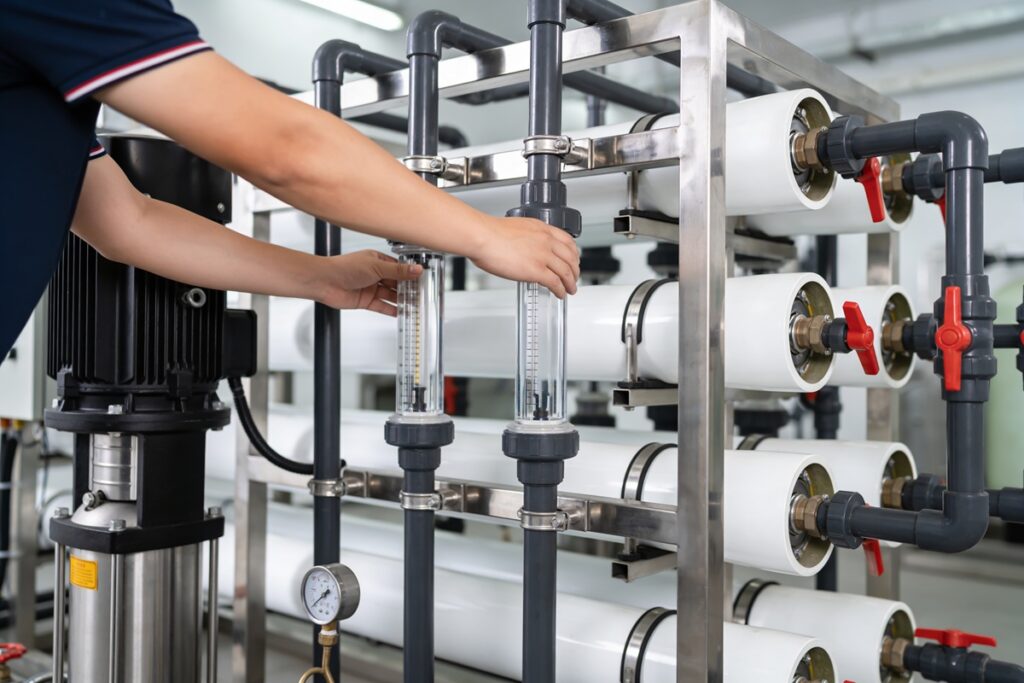
Reverse osmosis and nanofiltration allow processors to pre-concentrate milk and whey at relatively low temperatures. Industry guidance indicates that reverse osmosis can raise milk from approximately 9 per cent dry matter to between 14 and 30 per cent, while whey can reach around 18 to 28.5 per cent using reverse osmosis or a combination of reverse osmosis and nanofiltration.
Mechanical vapour recompression then recycles vapour from the evaporation process. Instead of discarding its latent heat, the system compresses the vapour and returns it as a heating medium.
Modern MVR evaporators can remove approximately 80 to 100kg of water per kWh. One dairy processing comparison indicates that MVR can halve operating costs against a conventional six-effect evaporator with a thermocompressor, although actual savings depend on electricity, steam, utilisation and plant configuration.
The commercial opportunity is not limited to lower fuel consumption. Membranes can increase evaporator capacity, reduce product exposure to heat and create new ingredient streams through fractionation. Water recovered by reverse osmosis may also be suitable for reuse after appropriate risk assessment and treatment.
The drawbacks must be engineered into the proposal. Membrane fouling, cleaning chemical consumption, replacement intervals and product losses can weaken an apparently attractive payback. MVR systems introduce electrical demand, compressor maintenance and potential grid constraints.
Processors should therefore evaluate the complete production train rather than approving individual pieces of equipment. A membrane stage, MVR evaporator, heat pump and spray dryer may each appear efficient in isolation but deliver the greatest return when designed as one energy and product-recovery system.

Design Early, Pay Less: Packaging Rules Reach the Dairy Line
Packaging sustainability is acquiring a direct cost on the profit and loss account.
Under UK Extended Producer Responsibility, packaging supplied during 2025 will determine modulated disposal fees for the 2026–27 financial year. Packaging assessed through the Recyclability Assessment Methodology receives a red, amber or green rating. Red-rated household packaging attracts a higher fee, amber remains at the base level and revenue raised from red materials funds reductions for green-rated packaging. The red modulation factor begins at 1.2 and rises to 1.6 and then 2.0 over the following two assessment years.
For dairy businesses, that turns recyclability into a purchasing and product-development variable.
Natural HDPE milk bottles with compatible closures and labels are likely to offer a clearer route towards favourable recyclability than heavily pigmented or complex structures. However, the forthcoming Deposit Return Scheme creates an important distinction. Standard HDPE milk bottles are excluded, while qualifying single-use PET, aluminium and steel drinks containers between 150ml and three litres enter the scheme from 1 October 2027. Drinking yoghurt, milkshakes and functional dairy beverages packed in PET may therefore face obligations that conventional HDPE milk does not.
Cheese, butter and cultured products present a more difficult material challenge. Flexible packs may require oxygen, moisture, grease or light barriers to maintain quality and control food waste. Moving to a nominally recyclable mono-material structure is not an improvement if seal integrity deteriorates, production waste rises or shelf life falls.
Packaging teams must consequently test machinability, sealing windows, gas retention, puncture resistance, migration compliance and product life alongside recyclability.
The EU Packaging and Packaging Waste Regulation begins applying generally from 12 August 2026 and progressively introduces recyclability, minimisation, labelling and producer obligations. From the same date, food-contact packaging containing PFAS above specified limits cannot be placed on the EU market, making supplier declarations and material testing particularly relevant to grease-resistant papers, coatings and wraps.
The safest approach is to assess every major packaging SKU against the UK RAM and relevant EU requirements before the artwork, tooling or line specification becomes fixed.
Trace Feed, Protect Trade: Supply Chains Face New Due Diligence
Dairy processors must also look further upstream.
The EU Deforestation Regulation will apply to large and medium-sized operators from 30 December 2026 and most micro and small operators from 30 June 2027. It covers commodities including cattle and soy, along with specified derived products, and requires operators placing them on or exporting them from the EU market to demonstrate that they are deforestation-free and legally produced.
Milk and many finished dairy products are not automatically brought into scope simply because cattle or soy appear elsewhere in the value chain. Nevertheless, imported soy used in animal feed creates a significant due-diligence and customer-assurance issue.
Processors should map which feed suppliers use imported soy, what chain-of-custody evidence exists and whether origin information can be linked to deforestation-risk assessments. Waiting until a retailer requests evidence is likely to create expensive manual tracing.
Cross-border dairy trade may also become easier, although businesses should not yet plan as though the changes have already taken effect.
The UK Government intends its new sanitary and phytosanitary agreement with the EU to become effective in mid-2027, but the precise timetable remains subject to negotiation. Once implemented, the proposed arrangements are expected to remove many export health certificates and routine SPS border checks for dairy and other agrifood movements covered by the agreement.
That could reduce administrative cost and delays for fresh and chilled dairy products. It may also require closer alignment with changing EU rules covering food hygiene, contaminants, animal health, feed, food-contact materials and veterinary residues.
Processors should use the transition period to review specifications, certification systems and regulatory ownership rather than pausing preparation.
Prove It, Or Drop It: Green Claims Enter the Enforcement Era
As environmental investment becomes more technical, marketing language must become more precise.
Terms such as “climate-friendly”, “planet positive”, “sustainable dairy” and “carbon neutral” can create risk when they are unsupported, narrowly defined or based on offsets that are not clearly explained.
The UK Competition and Markets Authority now has direct enforcement powers under the Digital Markets, Competition and Consumers Act. It can determine that consumer law has been breached, direct changes, order redress and impose fines without first taking a business through the courts. The regulator has also made clear that an environmental claim can infringe the law even where the business did not intend to mislead.
EU rules are also tightening. The Empowering Consumers for the Green Transition Directive applies from 27 September 2026 and strengthens protections against vague environmental claims and unreliable sustainability labels.
This changes the approval process for packaging, websites and advertising. Environmental statements should be reviewed in the same disciplined manner as nutrition, allergen or health claims.
A claim such as “30 per cent lower farm methane emissions” needs a defined baseline, intervention period, calculation method and scope. “Recyclable packaging” should reflect the infrastructure and assessment methodology in the market where it is sold. “Lower-carbon milk” must explain whether the result relates to the farm, processing plant, packaging, distribution or entire product lifecycle.
Marketing, sustainability, procurement, technical and legal teams must therefore work from one controlled evidence file rather than developing claims independently.
Join the Systems, Build the Case: Where Investment Pays
Dairy’s next sustainability gains will not come from one technology.
A methane additive may lower farm emissions but fail commercially without farmer incentives. A heat pump may deliver excellent efficiency but remain underused if heat demand is intermittent. A recyclable film may reduce packaging fees but create greater product waste if its barrier performance is inadequate.
The strongest investment programmes connect the entire system.
That begins with dependable measurement. Processors need a clear baseline for farm emissions, milk volumes, energy, water, waste, packaging tonnage and product losses. Projects can then be assessed against shared commercial measures: cost per tonne, energy per litre, yield, shelf life, carbon reduction, labour demand and avoided compliance cost.
Pilot projects should be large enough to expose practical problems but controlled enough to establish cause and effect. Savings should be verified after commissioning rather than assumed from supplier calculations.
Capital approval must also reflect the direction of travel. Packaging fees will increasingly differentiate between recyclable and difficult-to-recycle formats. Customers will continue requesting supply-chain evidence even when legislation does not. Energy prices, grid constraints and water availability will affect the value of efficiency projects differently at each site.
The objective is not to pursue every available environmental technology. It is to identify the points where carbon, resource efficiency and profitability reinforce one another.
For dairy processors, sustainability has entered its most commercially significant phase. The businesses that gain most will be those that replace broad promises with measured interventions, integrated engineering and evidence strong enough to satisfy customers, regulators and investors.
Where should dairy processors begin reducing plant energy consumption?
The first step should be a site-wide heat, water and mass balance. This can identify waste-heat sources, simultaneous heating and cooling demands, opportunities for membrane pre-concentration and processes suitable for heat pumps or mechanical vapour recompression.
Will the UK Deposit Return Scheme include plastic milk bottles?
Conventional HDPE milk bottles are excluded. However, qualifying single-use PET drinks containers, including some drinking yoghurts, milkshakes and dairy beverages, may be included when the scheme begins on 1 October 2027.
How much methane can 3-NOP reduce in dairy cows?
A recent meta-analysis reported an average methane-production reduction of approximately 28 per cent. Actual performance varies according to dose, ration composition, intake, herd management and production system, so processors should verify results under commercial farm conditions.
Is Scope 3 emissions reporting mandatory for UK dairy processors?
Not universally. The UK Sustainability Reporting Standards are available for voluntary use. Proposed FCA requirements would apply to certain listed companies, with Scope 3 initially operating under a comply-or-explain approach. Processors may nevertheless need Scope 3 information to meet customer, lender or voluntary target requirements.
What is the largest source of greenhouse gas emissions in dairy production?
The largest sources generally occur on farms and include enteric methane from cows, manure management and feed production. For a processor purchasing raw milk, these emissions normally form part of Scope 3 purchased goods and services, which is why dependable supplier-level information is important.