



Industry Insight: Packaging Systems in 2026 The packaging conversation has shifted from material substitution to the management of fully regulated systems. Driven by the April 2026 launch of pEPR modulated fees and the August 2026 application of the EU’s PPWR, manufacturers must now demonstrate verifiable lifecycle performance. Packaging is no longer a branding function; it is a compliance-critical engineering component where producers must balance barrier performance with recyclability scores (RAG ratings). This shift is driving investment in mono-material laminates and PFAS-free coatings, while requiring equipment to handle thinner, recyclable structures without compromising throughput. In 2026, packaging is the strategic link between sustainability targets and operational resilience.
For much of the past decade, sustainability has been the defining theme in food packaging innovation. Brands explored lighter materials, recyclable formats, and biodegradable alternatives as part of broader environmental commitments.
However, the conversation has fundamentally changed.
Packaging sustainability is no longer a voluntary initiative driven by marketing or corporate social responsibility. Instead, it is becoming a legal and operational requirement, enforced through new regulations, taxation frameworks, and material traceability rules across the UK and European Union.
For food manufacturers and packaging engineers, the challenge is no longer simply reducing plastic use or improving recyclability. The real task is designing packaging systems that comply with evolving legislation, integrate digital traceability, and maintain the barrier performance required to protect food safety and shelf life.
The Compliance Era: Packaging Regulations Reshaping Design
The most significant change affecting packaging strategy today is the arrival of large-scale regulatory enforcement.
The EU Packaging and Packaging Waste Regulation (PPWR) represents the most comprehensive overhaul of packaging rules in decades. Entering force in 2025 and applying from August 2026, the regulation replaces the long-standing Packaging Directive and introduces mandatory recyclability requirements for all packaging placed on the EU market.
Under PPWR, packaging formats will be graded according to recyclability performance. Over time, formats considered “difficult to recycle” will effectively be phased out, forcing manufacturers to redesign packaging structures that rely on complex multi-material laminates.
At the same time, the UK is implementing its own regulatory overhaul through Extended Producer Responsibility (pEPR).
Beginning in 2025 and expanding significantly from April 2026, producers will face modulated fees linked directly to the recyclability of their packaging. Materials rated poorly by the Recycling Assessment Methodology will incur higher costs, while recyclable formats will receive reduced fees.
For manufacturers producing millions of units annually, these fee structures will quickly translate into significant operational costs.
Packaging design decisions are therefore becoming financial decisions, with engineering teams increasingly tasked with balancing product protection, recyclability performance, and regulatory exposure.
The PFAS Exit: Replacing “Forever Chemicals” in Food Packaging
Another major transformation underway is the industry-wide removal of PFAS (per- and polyfluoroalkyl substances) from food-contact packaging.
These substances have historically been used to provide grease and moisture resistance in materials such as paper-based food wraps, takeaway containers, and microwave packaging. However, concerns over environmental persistence and health impacts have prompted regulatory action across multiple jurisdictions.
The European Union is preparing restrictions on intentionally added PFAS in food-contact materials, with implementation expected from 2026 onward.
For packaging manufacturers, this has triggered a rapid shift toward PFAS-free barrier technologies.
Water-based barrier coatings are emerging as one of the most promising alternatives. These aqueous coatings can provide oil, grease, and moisture resistance without relying on fluorinated chemicals, allowing paper and fibre-based packaging to maintain performance while meeting regulatory expectations.
At the same time, biopolymer coatings derived from renewable feedstocks are being developed to provide similar barrier properties while improving recyclability and compostability.
The transition is not without challenges. PFAS alternatives must still match the functional requirements of traditional coatings while remaining compatible with recycling infrastructure and food safety regulations.
Nevertheless, the pace of innovation in barrier technology is accelerating as suppliers race to meet the approaching compliance deadlines.
Mono-Material Packaging and the Rise of Circular Design
One of the most persistent challenges in packaging sustainability has been the recyclability of flexible films.
Traditional flexible packaging structures often combine multiple polymers — such as polyethylene, polypropylene, and aluminium layers — to achieve the barrier properties required for food preservation. While effective at protecting products, these complex laminates are extremely difficult to recycle.
The industry response has been a major shift toward mono-material packaging structures.
By designing packaging using a single polymer family — such as all-polyethylene or all-polypropylene films — manufacturers can create flexible packaging that remains compatible with mechanical recycling systems.
Recent developments have significantly improved the performance of mono-material structures. Advanced barrier layers, plasma coatings, and polymer engineering are allowing these simplified structures to approach the oxygen and moisture protection previously achievable only with multi-layer laminates.
This progress is critical as regulators push for higher recyclability thresholds and retailers increasingly favour packaging formats compatible with existing recycling streams.
For food manufacturers, mono-material packaging also offers operational advantages, including simplified material sourcing and clearer compliance with recyclability assessments under emerging regulatory frameworks.
Chemical Recycling and the Future of Food-Grade Plastics
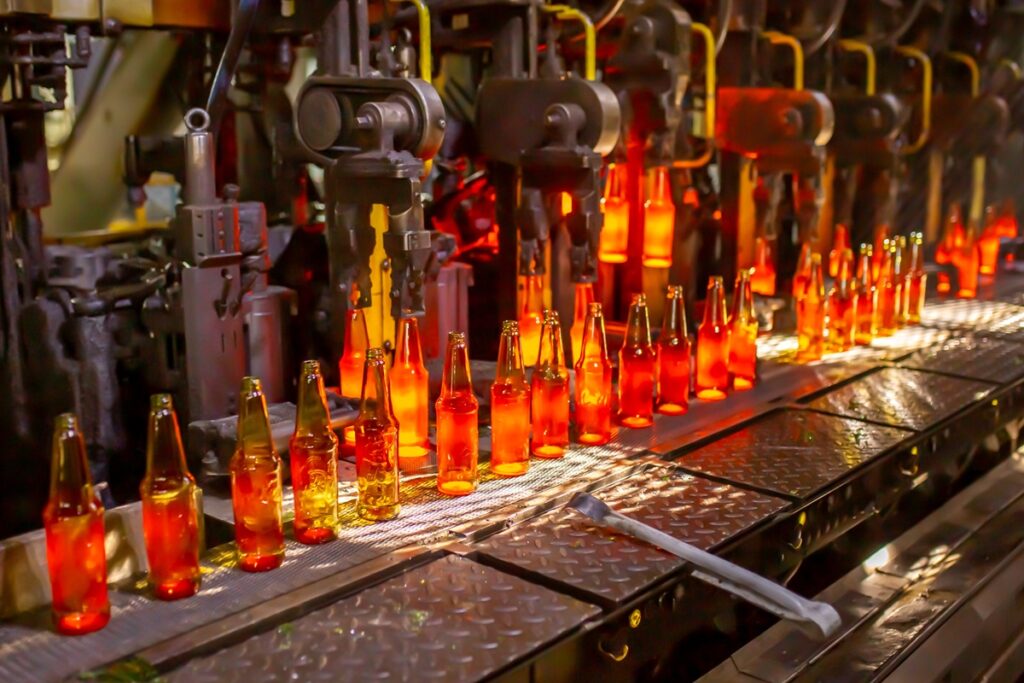
While mechanical recycling has made significant progress in materials such as PET bottles, it has struggled to process more complex plastics used in food packaging.
This limitation has led to growing interest in chemical recycling technologies, which break plastics down into their molecular components before rebuilding them into new polymers.
Processes such as depolymerisation and dissolution recycling are now moving from pilot projects to commercial-scale facilities. These technologies can potentially convert mixed or contaminated plastic waste into virgin-quality polymer suitable for food-contact applications.
For the food and beverage sector, this could unlock a major opportunity: the ability to create closed-loop recycling systems for packaging formats that have historically been impossible to recycle effectively.
Regulatory frameworks are beginning to recognise these technologies as well. In the UK, the Plastic Packaging Tax is expected to allow mass-balance accounting for chemically recycled plastics from 2027, potentially enabling manufacturers to claim recycled content in packaging derived from advanced recycling processes.
If these technologies scale successfully, they could significantly expand the supply of food-grade recycled plastics available to packaging manufacturers.
The Data Layer: Digital Product Passports and Smart Packaging
Beyond materials innovation, packaging is also undergoing a digital transformation.
Under the EU’s Ecodesign for Sustainable Products Regulation (ESPR), manufacturers will eventually be required to provide detailed digital records describing the composition and lifecycle characteristics of products — including packaging.
This concept, known as the Digital Product Passport (DPP), will create a machine-readable record of a packaging item’s material composition, recycled content, and environmental performance.
For food manufacturers, this digital layer could significantly improve traceability across packaging supply chains. Procurement teams will be able to verify material origin, recyclability status, and regulatory compliance through digital records rather than relying solely on supplier declarations.
At the same time, smart packaging technologies are beginning to appear in high-value applications.
Embedded sensors capable of detecting gases associated with food spoilage are being tested in packaging for seafood and fresh meat. Combined with AI-driven analytics, these sensors can estimate remaining shelf life and alert distributors to potential spoilage risks.
Although still emerging, these technologies have the potential to reduce food waste significantly — in some cases offsetting the environmental impact of the packaging itself.
Packaging Design in a Regulated Future
The evolution of packaging materials and design reflects a broader transformation within the food and beverage industry.
Packaging is no longer a downstream marketing element added at the end of product development. Instead, it has become a strategic engineering discipline, sitting at the intersection of regulatory compliance, supply chain management, and environmental performance.
Manufacturers must now consider recyclability scores, material traceability, PFAS restrictions, and digital documentation requirements alongside traditional design concerns such as shelf life, transport protection, and brand presentation.
For companies that adapt quickly, these changes also present opportunities. Improved packaging systems can reduce waste, lower regulatory costs, and strengthen transparency across supply chains.
In the coming years, the companies that succeed will not simply produce sustainable packaging — they will design packaging ecosystems capable of meeting the increasingly complex demands of modern food production.
What is driving the redesign of food packaging materials in 2026?
The primary driver is the financial shift from flat-rate to "Modulated Fees" under the UK’s Extended Producer Responsibility (pEPR) as of April 2026. Packaging is now assessed via the Recyclability Assessment Methodology (RAM) and assigned a Red-Amber-Green (RAG) rating. Red-rated materials now face a 20% fee premium, forcing a rapid redesign toward formats that are verified as "recyclable at scale."
What are mono-material packaging structures, and why are they trending?
Mono-material structures use a single polymer (typically PE or PP) rather than multi-layer laminates. In 2026, they are the "gold standard" for avoiding pEPR surcharges. While maintaining oxygen and moisture barriers was once a challenge, new high-barrier coatings allow these single-material packs to achieve "Green" recyclability status while matching the shelf-life performance of legacy mixed-material films.
How is automation influencing packaging design this year?
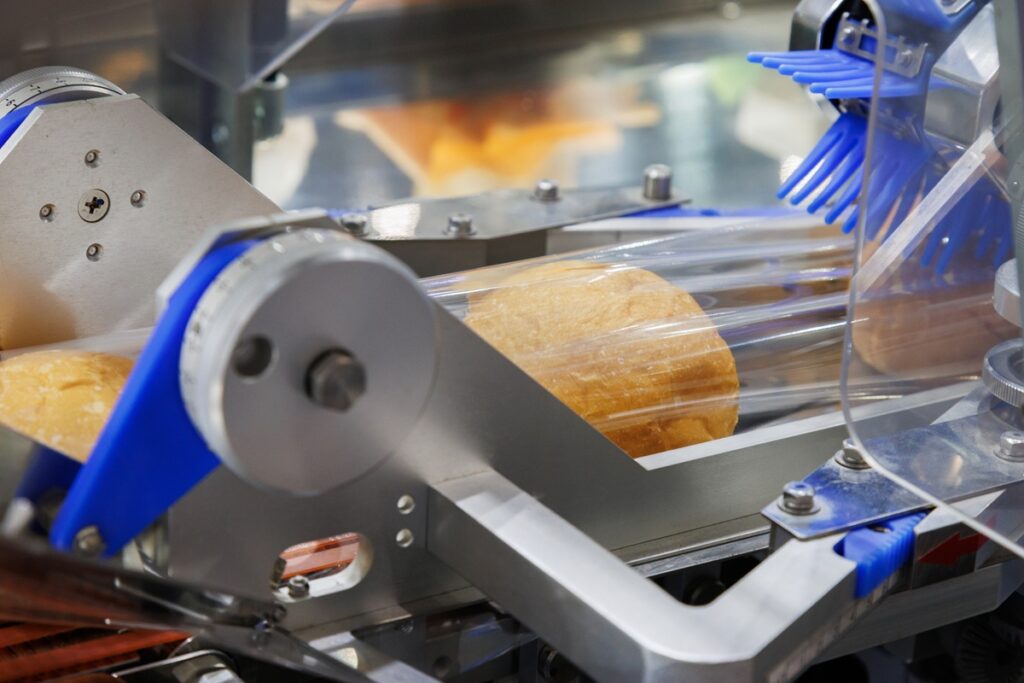
Modern lines must now balance "sustainability" with "machinability." Thinner, lightweighted films and mono-materials often have a lower heat-resistance window. Consequently, 2026 equipment is integrating AI-driven adaptive sealing and real-time tension control to prevent burn-through or tearing, allowing plants to maintain high-speed throughput on these more delicate, eco-friendly substrates.
What role does digital traceability play in 2026 packaging?
Digital traceability is the "proof of compliance" for 2026. Under the EU’s Packaging and Packaging Waste Regulation (PPWR), which applies from August 12, 2026, packaging must carry a traceable identifier. Technologies like 2D barcodes and digital watermarking (e.g., HolyGrail 2.0) are essential for automated sorting at waste facilities and for generating the data required for Digital Product Passports (DPP).
Why is packaging now a major regulatory compliance issue?
Because of two hard deadlines in 2026. First, the UK Plastic Packaging Tax increased on April 1, 2026, to £228.82 per tonne for any plastic with less than 30% recycled content. Second, the EU PFAS Ban takes effect on August 12, 2026, prohibiting "forever chemicals" in all food-contact packaging. Packaging is no longer just a container; it is a high-stakes legal and financial liability.