


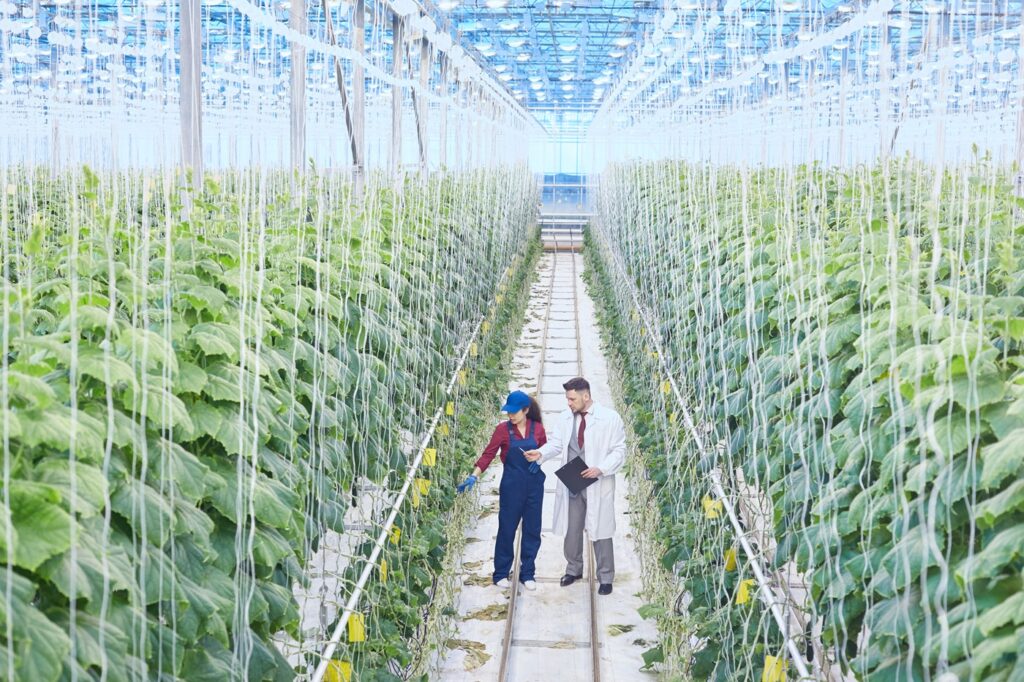
Sustainable UK food production is entering a new era. From vertical farms to aquaponics, from AI crop management to robotic weed control, innovation is reshaping how Britain grows its food. What was once considered niche or experimental is now central to the goal of producing food that is both sustainable and profitable.
Economic Realities of High-Tech Farming
Vertical farms and CEA facilities offer clear sustainability benefits, but their economic viability has often been questioned. High energy use, labour costs, and upfront investment have challenged many startups. The sector is responding through:
-
Renewable integration: Solar panels, anaerobic digestion, and power purchase agreements are helping to cut energy bills.
-
Automation and robotics: Harvesting robots, automated nutrient delivery, and conveyor-based growing systems are reducing reliance on labour.
-
Government support: Funds such as the Farming Equipment and Technology Fund (FETF) are offsetting investment costs, enabling more farms to adopt precision and robotic systems.
The business model is shifting—driven by technology, incentives, and consumer demand for resilient supply chains.
Crops Beyond the Ordinary
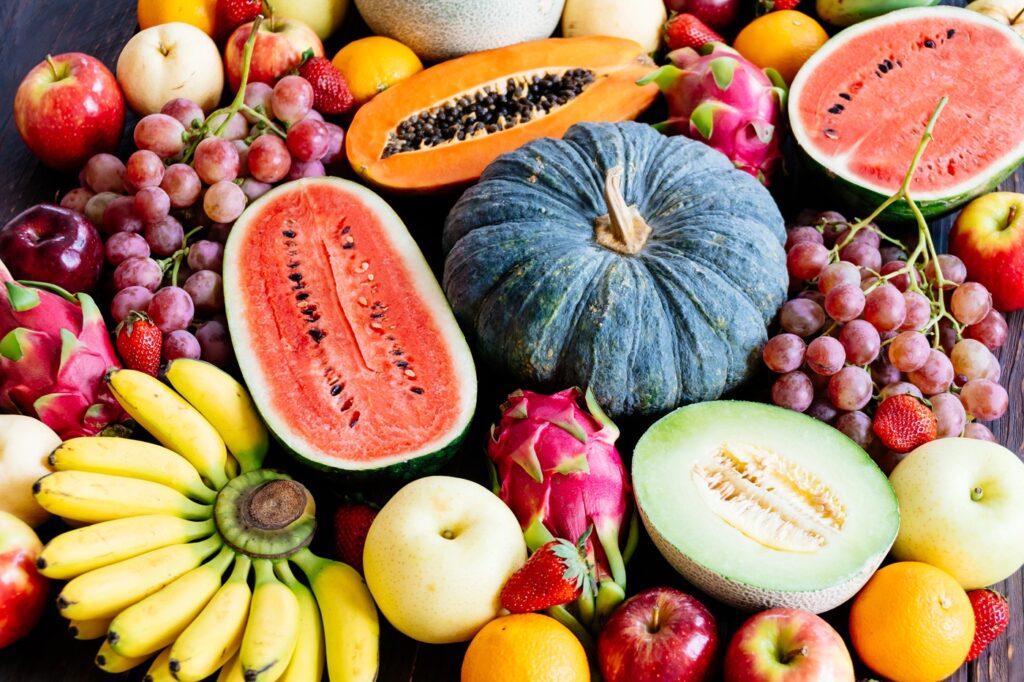
While staple crops like wheat or potatoes remain best suited to open fields, indoor agriculture excels at producing high-value, perishable, or exotic crops. UK facilities are increasingly focusing on:
-
Leafy greens and herbs: Basil, coriander, and pak choi are popular for their high turnover and consistent quality.
-
Soft fruits: Strawberries and raspberries benefit from controlled conditions that improve yield and reduce imports.
-
Chillies and peppers: Crops once imported from warmer climates are now being grown under LED lighting systems.
By diversifying into these categories, CEA producers are cutting reliance on imports while meeting demand for fresher, locally sourced produce.
Technology at the Core of Sustainable UK Food Production
Modern innovations such as AI, robotics, and aquaponics are redefining efficiency and sustainability.
-
AI and precision farming: Machine learning systems are analysing crop health, adjusting irrigation, and managing nutrient delivery with pinpoint accuracy.
-
Robotic weed control: Trials in the UK are using AI-driven robots to identify and remove weeds without herbicides, improving soil health and water quality.
-
Closed-loop aquaponics: Fish and plants grow together in symbiosis, reducing inputs and creating a highly sustainable cycle of production.
-
Energy optimisation: From nitric acid generators creating fertiliser on-site to tunable LED lighting, these technologies are lowering operational costs.
Such innovations not only improve efficiency but also align with consumer expectations for cleaner, greener farming.

Regulation Driving Sustainable UK Food Production
Government schemes and environmental legislation are accelerating the shift to greener farming practices.
-
Environmental Land Management (ELM) schemes reward farmers for delivering public goods such as biodiversity gain, cleaner water, and healthier soils.
-
The Environmental Act 2021 sets legal targets for air, water, and biodiversity improvements, pushing producers to adopt more sustainable practices.
-
The FETF grants encourage investment in technology that boosts productivity while cutting carbon.
Together, these measures position sustainability not as a cost, but as a pathway to financial support and long-term resilience.
A Sustainable Future for UK Agriculture
The promise of “homegrown exotics” goes beyond consumer novelty. It signals a profound shift in UK food production: shorter supply chains, reduced imports, and more resilient farming systems. With the right mix of technology, legislative support, and market demand, exotic crops grown in Britain could become a mainstream reality by the end of the decade.
The key is balance—delivering both sustainability and profitability. Those who succeed will help shape a new, greener, and more self-sufficient future for UK agriculture.