


Industry Insight: The frozen and chilled sector is transitioning from a commodity-driven model to a precision-engineered cold chain. Driven by the EU PPWR compliance deadlines and the necessity for margin protection, manufacturers are now prioritizing AI-predictive logistics, mono-material circular packaging, and “Active” temperature-monitoring labels. These technologies are no longer optional “innovation” projects but essential tools to mitigate the high cost of spoilage and meet new global sustainability mandates.
Frozen and chilled foods have moved far beyond their traditional role as convenience staples. In 2026, the category sits at the intersection of premiumisation, operational innovation, regulatory change and supply chain digitisation. For manufacturers, success now depends not simply on preserving products, but on preserving quality, compliance and profitability across increasingly complex cold chains.
Premium Products Demand Premium Processing
Consumer expectations for frozen and chilled foods continue to rise. Shoppers increasingly expect restaurant-quality meals, cleaner labels, higher protein formulations and more globally inspired recipes, all without sacrificing shelf life or convenience.
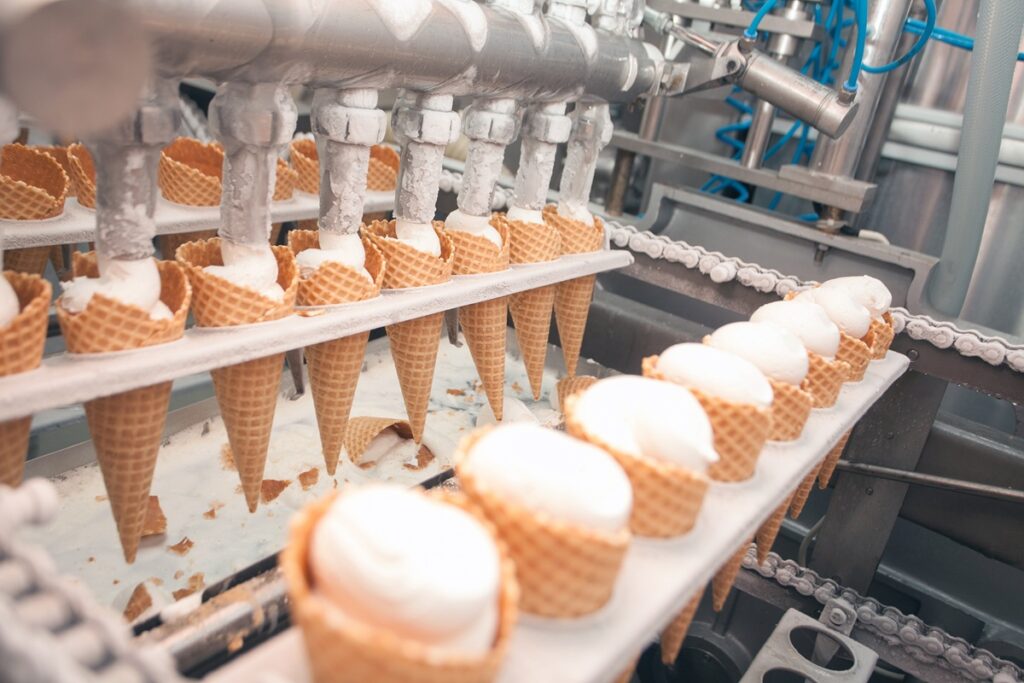
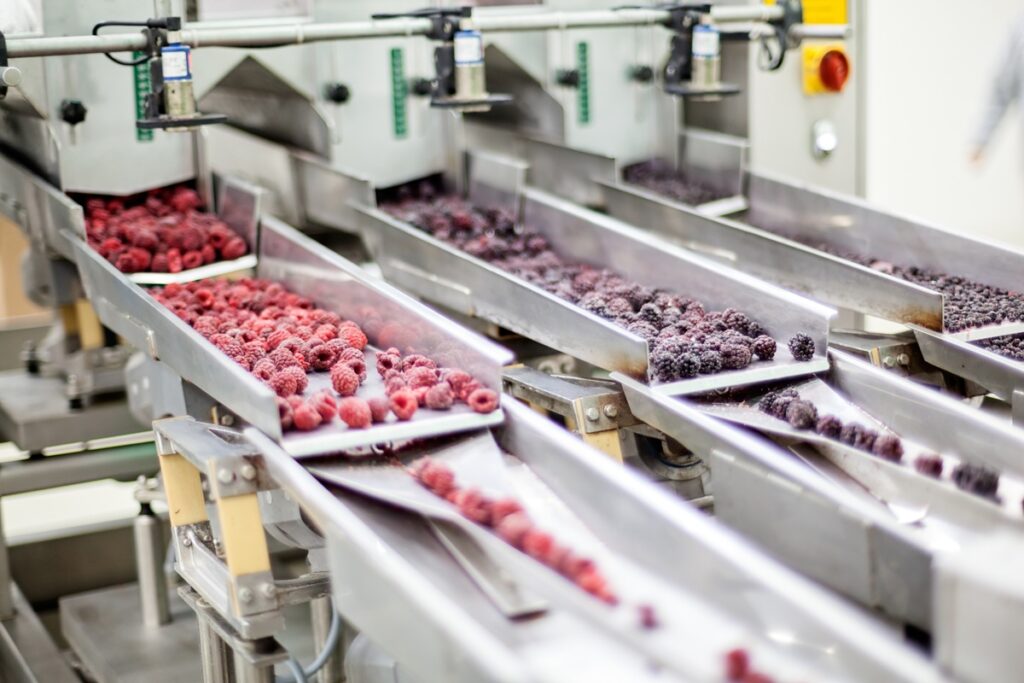
For manufacturers, that means production methods must evolve accordingly. Technologies such as Individual Quick Freezing (IQF) are now critical for premium ranges, enabling delicate ingredients such as seafood, herbs and vegetables to retain texture, shape and visual appeal. Cryogenic freezing is also gaining traction beyond specialist applications, particularly where rapid freezing improves flavour retention and minimises cell damage.
This quality-first approach is reshaping frozen food from a value category into a premium one, but achieving it at scale requires significantly tighter process control throughout production and distribution.
The Cold Chain Gets Intelligent
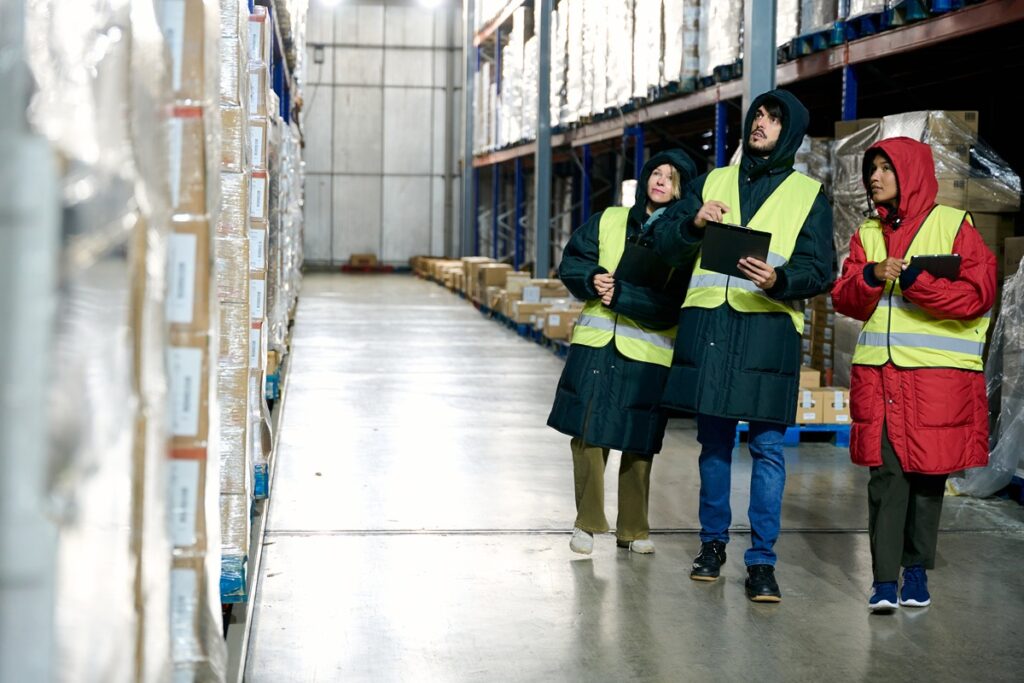
Cold chain management is no longer simply about maintaining temperature. In 2026, manufacturers are increasingly deploying predictive and AI-driven systems to manage cold storage and refrigerated logistics with far greater precision.
IoT-connected sensors throughout warehouses, transport fleets and retail distribution networks now provide real-time temperature, humidity and asset-performance data. Advanced systems use machine learning to identify anomalies before they result in spoilage, enabling predictive maintenance on refrigeration units and proactive intervention when excursions occur.
Digital twins are also beginning to emerge within larger cold storage operations, allowing operators to model airflow, refrigeration loads and warehouse layouts virtually before implementing changes physically. This helps reduce energy consumption while improving temperature consistency.
For manufacturers operating on tight margins, the benefits are clear: lower product loss, improved shelf-life performance, reduced insurance risk and lower energy spend.
Packaging Becomes a Compliance Battleground
Packaging for frozen and chilled foods is undergoing one of its most significant transitions in decades.
The arrival of the EU Packaging and Packaging Waste Regulation will fundamentally reshape packaging design requirements for exporters and EU-based producers, with rules beginning to apply from August 2026. Recyclability, material reduction and design-for-circularity are no longer sustainability ambitions; they are regulatory obligations.
At the same time, restrictions on PFAS and Bisphenol A in food-contact materials are forcing packaging suppliers and food manufacturers to reassess tray coatings, barrier materials and liner technologies across chilled and frozen applications.
In response, the sector is accelerating adoption of mono-material films, recyclable rigid trays, fibre-based alternatives and PFAS-free barrier coatings. However, balancing recyclability with the moisture, grease and temperature resistance required in frozen and chilled environments remains a major technical challenge.
Intelligent Packaging Moves Closer to Mainstream
Smart packaging is becoming increasingly relevant in chilled and frozen supply chains, particularly as retailers and brands seek to reduce food waste while protecting product quality.
Time-temperature indicators and freshness-monitoring labels are progressing from pilot-stage technologies toward broader commercial deployment. These systems can provide visual evidence of temperature abuse during transit or storage, helping manufacturers, retailers and consumers assess product integrity more accurately than static best-before dates alone.
For premium chilled categories, this technology could become a significant differentiator as brands seek to prove freshness and reduce unnecessary waste.
Sustainability Pressures Extend Beyond Packaging
Cold storage remains one of the most energy-intensive parts of food manufacturing and logistics, placing chilled and frozen operators under increasing pressure to improve efficiency.
Manufacturers are therefore investing in high-efficiency refrigeration systems, natural refrigerants, variable-speed compressors and AI-powered energy optimisation platforms to reduce operating costs while meeting sustainability targets.
This is particularly important as energy prices remain volatile and ESG reporting requirements intensify across major retailers and multinational supply chains.
Future Innovation Is Already Entering the Pipeline
Beyond current technologies, several emerging developments could reshape the sector over the coming years.
Researchers and biotech firms are advancing anti-freeze protein technologies that may reduce ice crystal formation naturally, potentially improving frozen product texture without more energy-intensive freezing methods.
Meanwhile, cell-cultivated proteins and functional wellness-focused meal concepts are expected to enter chilled and frozen categories first as these products move toward commercialisation.
For manufacturers, the category’s future is no longer simply about preservation. It is about precision engineering, compliance readiness and premium product delivery at scale.
Cold Is No Longer Conventional
Frozen and chilled foods are no longer low-tech convenience categories. They are becoming some of the most technically demanding and innovation-driven segments in food manufacturing.
As premiumisation, regulatory complexity and sustainability pressures intensify, manufacturers that invest in smarter cold chains, advanced packaging and process innovation will be best positioned to compete.
In 2026, success in frozen and chilled is not about keeping products cold. It is about keeping operations efficient, compliant and commercially resilient.
What is driving growth in frozen and chilled food manufacturing?
Premiumisation, convenience demand, health-focused formulations and the expansion of global cuisine offerings are driving sustained category growth.
Why is cold chain technology becoming more advanced?
Manufacturers need tighter control over temperature-sensitive products, lower spoilage rates and better visibility across increasingly complex supply chains.
How will PPWR affect frozen and chilled food packaging?
It will require packaging sold into the EU to meet stricter recyclability and design-for-circularity standards, forcing many manufacturers to redesign current formats.
What are time-temperature indicators?
These are smart packaging labels that visually show whether a product has been exposed to temperature abuse during transport or storage.
Why is sustainability difficult in frozen packaging?
Frozen foods require strong moisture, oxygen and grease barriers, making recyclable or fibre-based alternatives technically challenging to implement.