


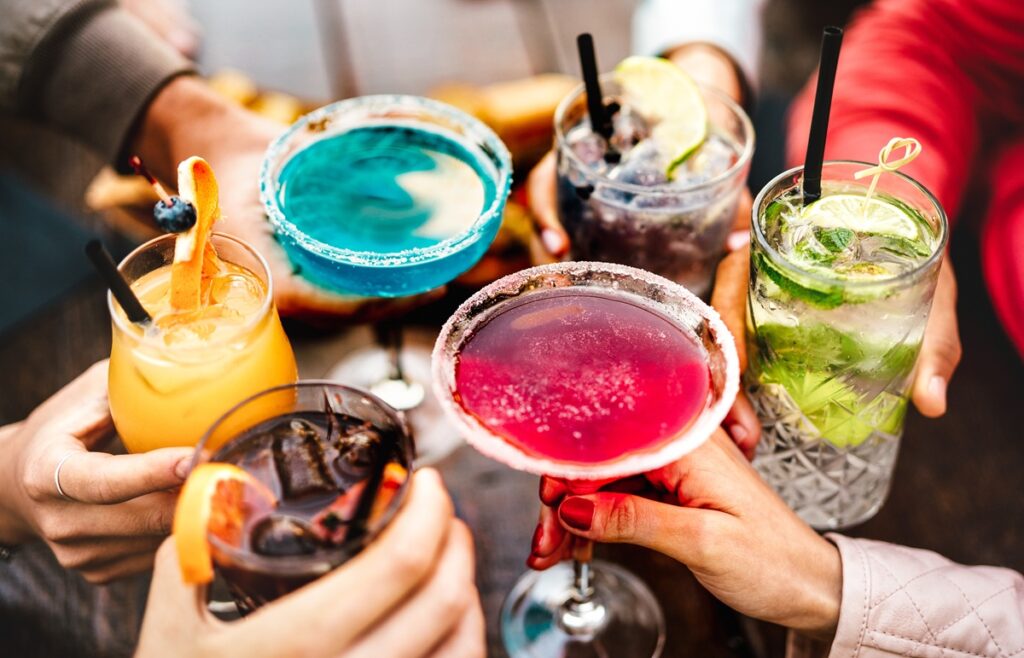
Industry Insight: The 2026 No/Low Technical Pivot In 2026, the No/Low Alcohol sector has transitioned from a marketing-led consumer trend to a high-precision technical discipline. For B2B stakeholders, the “Gold Rush” phase is over; the current era is defined by operational efficiency and shelf-life stability. The fundamental shift lies in treating alcohol-free production not as “brewing minus ethanol,” but as a specialized chemical engineering process. Because ethanol acts as both a flavor carrier and a natural preservative, its removal creates a “stability vacuum” that manufacturers must fill with advanced technology.
As of 2026, no- and low-alcohol beverages are no longer a niche category—they are a structural part of the global drinks market, forcing manufacturers to rethink processing, packaging and compliance strategies at scale.
Executive Summary: From Trend to Technical Discipline
What began as a consumer-led movement has rapidly matured into an operational challenge for producers, packagers and supply chain partners.
No/low alcohol now demands:
- Advanced de-alcoholisation technologies
- Enhanced packaging stability solutions
- Careful navigation of global ABV and tax thresholds
- Strategic positioning between mimicry and functional beverages
For manufacturers, success is no longer about simply removing alcohol—it is about rebuilding the product from a technical, regulatory and commercial standpoint.
The Processing Challenge: Beyond De-Alcoholisation
At the heart of the category lies a fundamental production dilemma: removing alcohol without destroying flavour, structure or mouthfeel.
Techniques such as reverse osmosis and vacuum distillation remain central, but they introduce new operational pressures:
- Volume loss during ethanol removal
- High capital expenditure for specialist filtration systems
- Increased energy consumption in separation processes
More critically, producers must manage the ethanol byproduct stream, which is increasingly being:
- Sold into biofuel markets
- Repurposed for industrial or sanitiser applications
This creates a secondary revenue stream—but also introduces traceability and compliance requirements around handling and resale.
At scale, the challenge is not just technical—it is economic. Yield optimisation and throughput efficiency are now key competitive levers.
The Packaging Frontier: Solving the Stability Problem
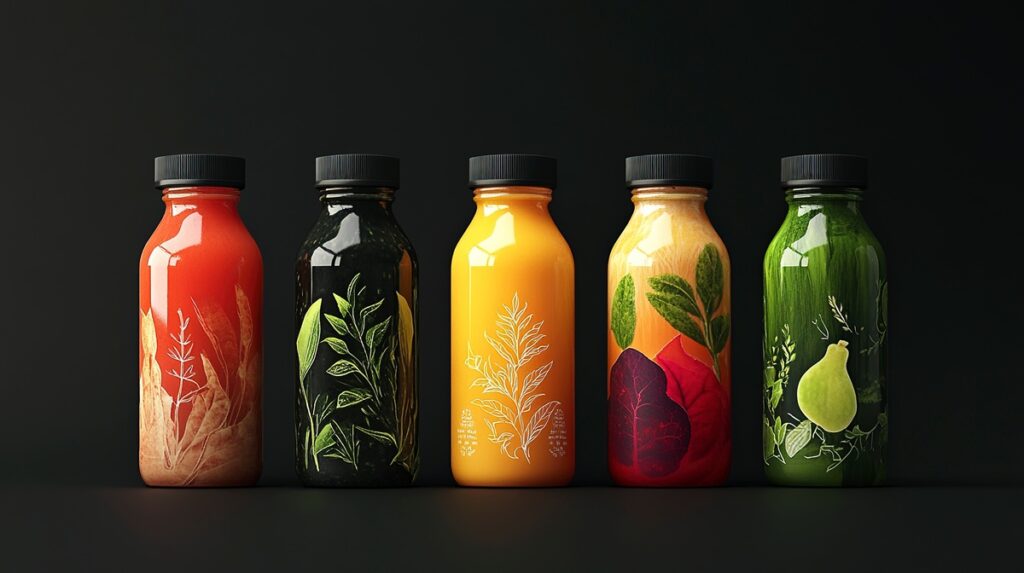
Removing alcohol eliminates one of the drink’s most effective natural preservatives. The result is a stability and shelf-life challenge that directly impacts packaging strategy.
Manufacturers are increasingly turning to:
- Oxygen scavengers in PET bottles
- Barrier coatings in aluminium cans
- UV-blocking materials for botanical-heavy formulations
This is particularly critical for products containing:
- Adaptogens
- Nootropics
- Botanical extracts
These ingredients are highly sensitive to oxygen, light and temperature, increasing the risk of:
- Flavour degradation (“flavour scalping”)
- Reduced functional efficacy
- Shortened shelf life
As a result, there is a clear shift from traditional hot-fill processes to more advanced aseptic cold-fill systems, despite their higher cost.
For packaging suppliers, this represents a major opportunity—but also raises the bar on performance validation and compatibility testing.

Regulatory Complexity: Navigating the 0.5% ABV Threshold
One of the most critical—and often misunderstood—issues in the category is regulatory classification.
Globally, the definition of “alcohol-free” varies:
- Some regions require 0.0% ABV
- Others permit up to 0.5% ABV
This creates a compliance balancing act:
- Staying below alcohol thresholds to avoid excise duty
- Managing sugar reformulation to avoid soft drinks levies (e.g. UK sugar tax)
The result is a growing “tax optimisation” strategy where formulation decisions are driven as much by fiscal policy as by flavour.
At the same time, functional ingredients introduce additional regulatory risk:
- Botanicals may fall under novel food regulations
- Claims around mood, focus or relaxation require careful substantiation
For manufacturers exporting across markets, regulatory misalignment can quickly become a barrier to scale.
Two Paths Emerging: Mimicry vs Functional Beverages
The category is now clearly splitting into two strategic directions:
1. Alcohol Mimicry
Products designed to replicate:
- Beer
- Wine
- Spirits
Key focus:
- Flavour authenticity
- Mouthfeel
- Brand familiarity
2. Functional Replacement
Products designed to replace the occasion, not the drink:
- Adaptogenic beverages
- Nootropic RTDs
- Mood-enhancing formulations
Key focus:
- Wellness benefits
- New consumption occasions
- Premium positioning
The second category is expanding rapidly, with the global functional beverage market projected to reach $250 billion by 2030.
However, it carries significantly higher R&D and regulatory risk, particularly around ingredient approval and claims compliance.
On-Premise Logistics: Closing the Draught Gap
While retail has adapted quickly, hospitality presents a different challenge.
Bars and restaurants face:
- Limited draught line capacity
- Lower turnover of non-alcoholic kegs
- Storage constraints
This is driving innovation in:
- Slimline keg formats (10L–20L)
- Bag-in-box dispensing systems
- Ready-to-serve premium RTDs
For suppliers, designing formats that fit seamlessly into existing back-of-house systems is becoming a key differentiator.
Investment and Scale: Industry Commitment Accelerates
Major players are now investing heavily in no/low infrastructure.
For example, Diageo has committed €25 million to expand production of Guinness 0.0 in Dublin, including new processing vessels and increased capacity.
This reflects a broader shift:
- No/low is no longer experimental
- It is now core portfolio strategy
At the same time, AI is beginning to play a role in flavour optimisation, reducing product development cycles from over a year to just a few months.
Global Expansion: Beyond Europe and the US
While the UK and Europe remain key markets, growth is accelerating globally:
- Middle East and Asia: projected 8.2% CAGR (2026–2033)
- Latin America: emerging premium segment
- US: rising “flex drinking” behaviour
Crucially, 93% of no/low consumers still drink alcohol, but are:
- Substituting by occasion
- Reducing weekday consumption
- Mixing alcoholic and non-alcoholic options
This behavioural shift is driving portfolio diversification, not replacement.
What Comes Next: 2026 and Beyond
The next phase of the category will be defined by:
- Personalised functional beverages tailored to mood or activity
- AI-driven formulation and recommendation systems
- Premiumisation of ready-to-drink mocktails
- Greater integration with health and wellness ecosystems
For manufacturers, the opportunity is clear—but so is the complexity.
Success will depend on the ability to integrate:
- Processing technology
- Packaging innovation
- Regulatory intelligence
into a single, scalable production strategy.
Is 0.5% ABV the new global standard?
While 0.5% is the common threshold for excise tax exemption, labeling is still a patchwork. The US uses "Non-Alcoholic," while the UK is transitioning its "Alcohol-Free" definition to 0.5% to match the EU.
How does packaging solve the "Preservative Gap"?
Without ethanol, products require Aseptic Cold-Fill or Nitrogen Flushing. For cans, specialized BPA-NI liners are essential to prevent botanical acids from corroding the aluminum.
Can we reduce alcohol without "stripping" the flavor?
2026 innovation focuses on Biological De-alcoholization—using specialized yeast strains that produce less ethanol during fermentation, reducing the need for aggressive thermal processing.
What is the biggest "Hidden Cost" in No/Low production?
Ethanol Management. Manufacturers must account for the logistics of the byproduct stream, often repurposing it for the biofuel or chemical sectors to recoup high filtration energy costs.
Is the no/low category replacing alcohol?
No, most consumers still drink alcohol but are moderating consumption depending on occasion.